
Last updated November 25, 2026
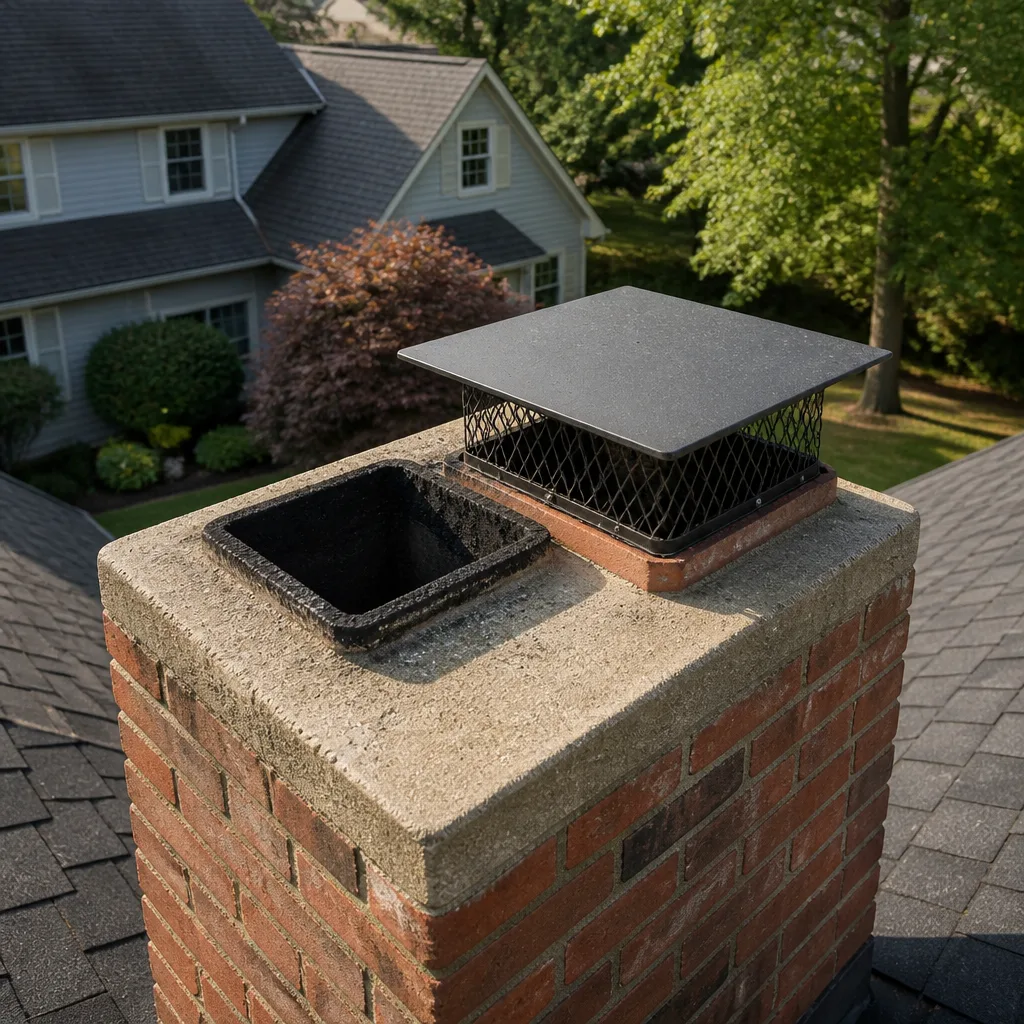 Sweep & inspection
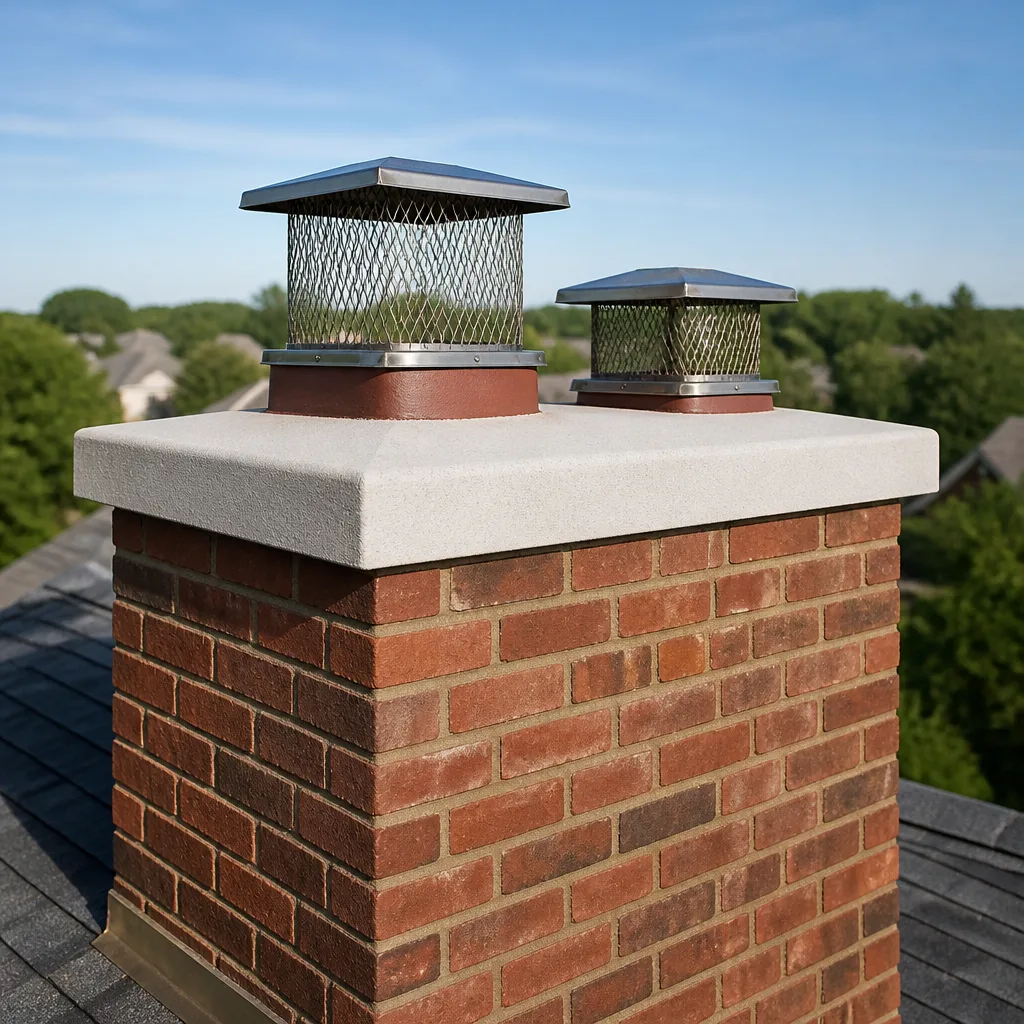 Caps & crowns
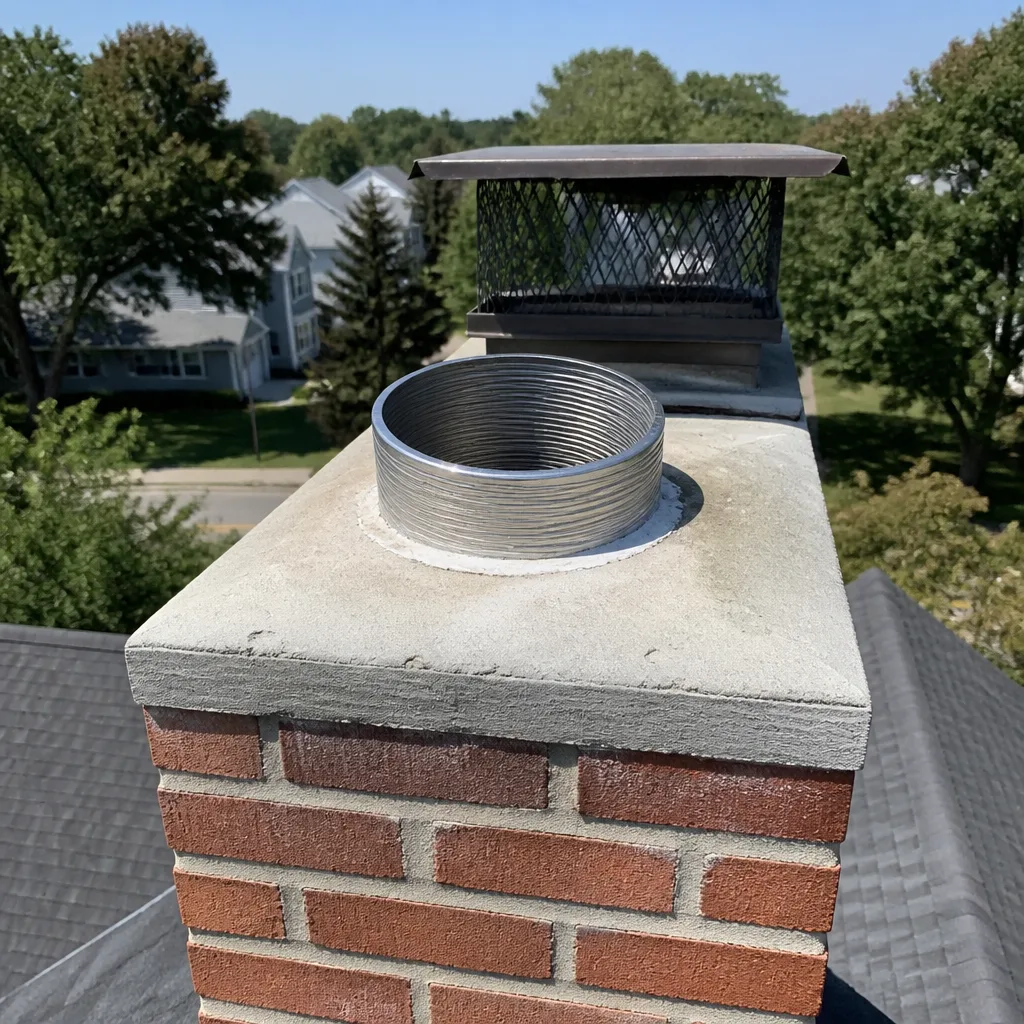 Flue relining
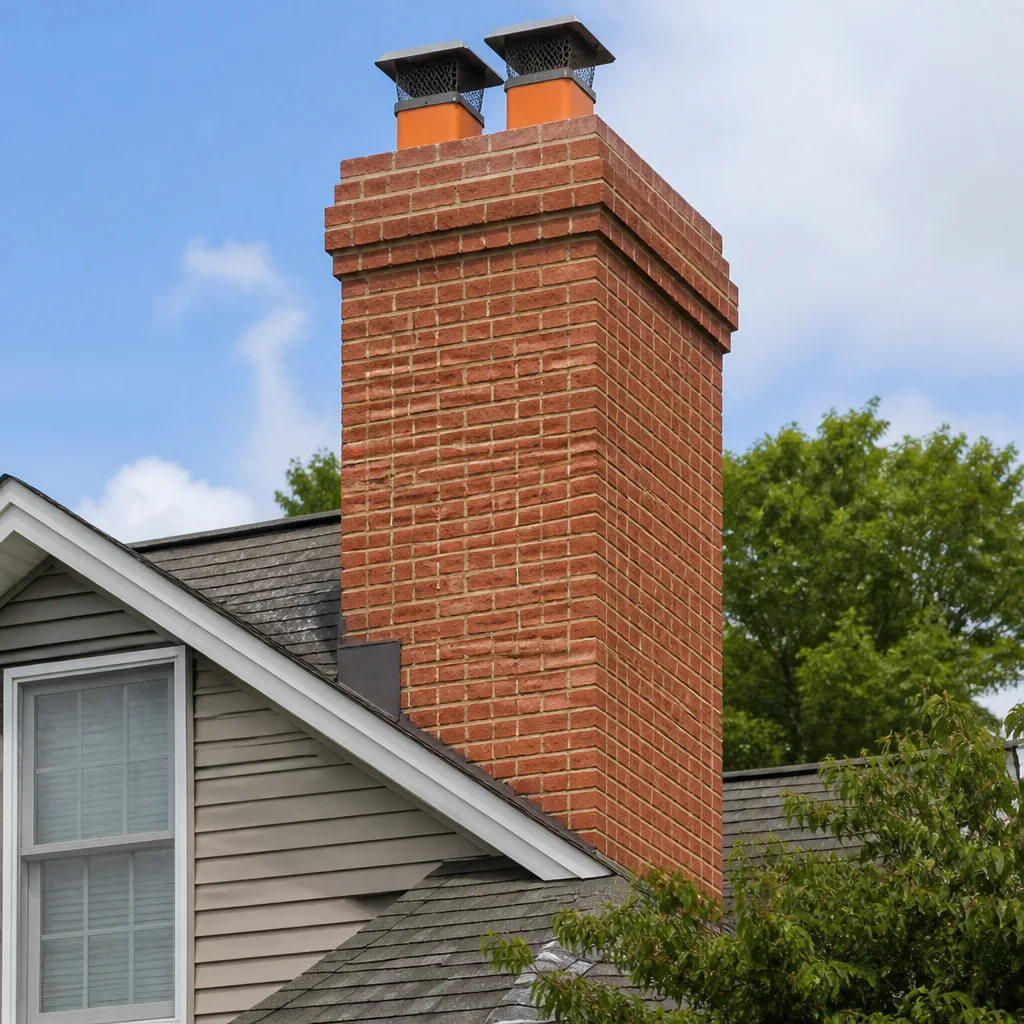 Masonry repair
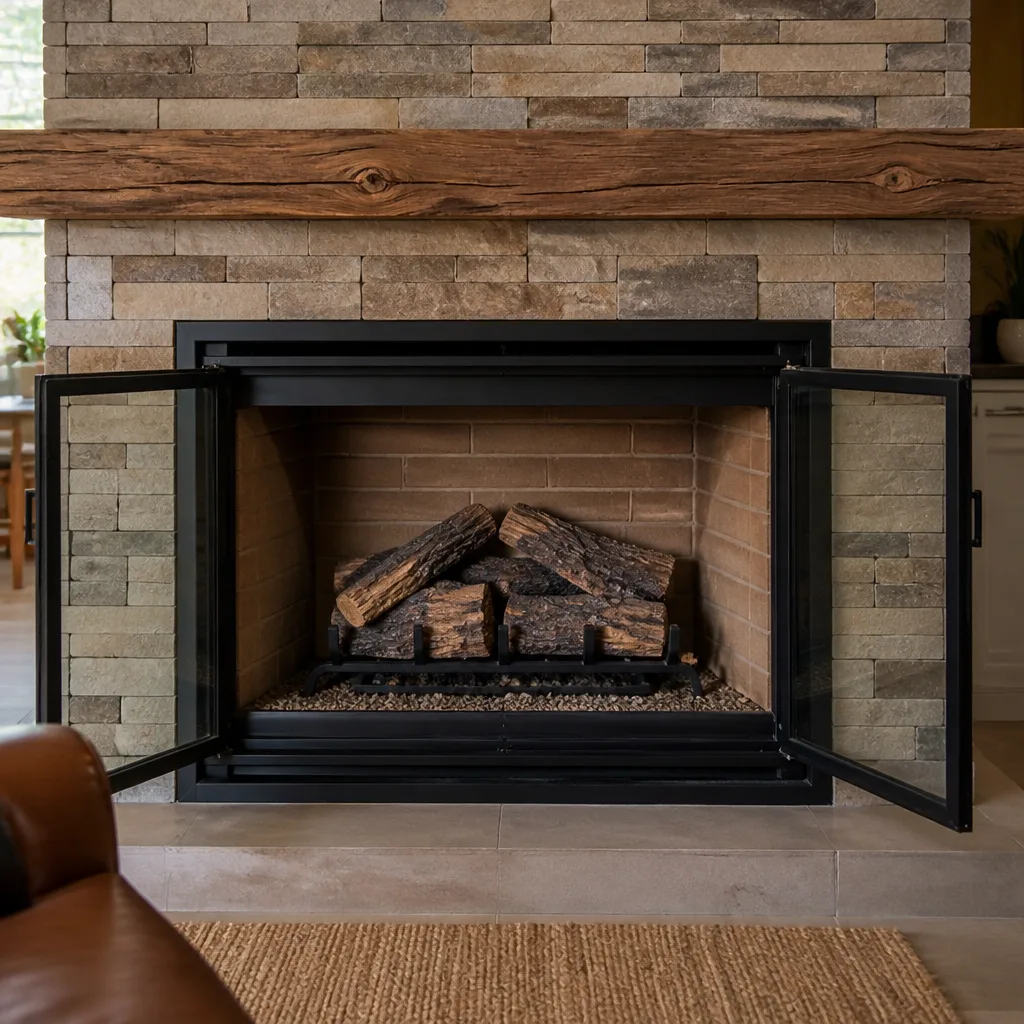 Gas fireplace service
Level 1 sweep and inspection to the NFPA 211 annual standard - flue, crown, cap, and flashing checked and photographed
Chimney sweep logs do not sweep chimneys. They loosen some creosote - which then falls where a brush and vacuum still have to collect it.
Chimney Cleaning Emergency Preparedness Guide for Tacoma Homes
Most chimney advice tells you to get a sweep before winter. That’s fine, but it skips the harder question: what do you actually do in the ninety seconds after something goes wrong? A chimney fire doesn’t announce itself with flames shooting off the roof. It often sounds like a low rumble, a distant roar, or air being pulled hard through the flue. By the time a homeowner recognizes the sound, the decisions made in the next minute and a half matter more than anything else in the house. This guide covers two different emergencies, chimney fires and carbon monoxide events, with separate protocols for each, because the correct first move in one is the wrong move in the other. It’s written for Tacoma homes that burn wood or gas and want a plan in place before burn season, not during it.
Quick Answer
If you suspect a chimney fire in Tacoma, get everyone out of the house, call 911, and close the damper and glass doors on the way out to starve the fire of air. If you suspect a carbon monoxide event, get everyone out immediately, call 911, and do not re-enter to open windows or shut anything down. After either event, the chimney needs a Level II inspection before it can safely be used again.
Styles & brands we work with
- Sweep & inspection
- Caps & crowns
- Flue relining
- Masonry repair
- Gas fireplace service
Table of Contents
- Two Emergencies, Two Protocols
- What to Do During an Active Chimney Fire
- What to Do During a Suspected Carbon Monoxide Event
- Reporting a Chimney Fire to Tacoma Fire Department
- The Post-Fire Inspection: Why It Isn’t Optional
- CO Detector Placement for Tacoma Homes Before Burn Season
- Pre-Season Chimney Checks That Prevent Emergencies
- Common Mistakes to Avoid
Two Emergencies, Two Protocols
The single biggest mistake we see in homeowner emergency plans is treating every chimney problem the same way. A chimney fire and a carbon monoxide event are not variations of the same thing. They have different causes, different warning signs, and, most importantly, different correct responses. A chimney fire is a combustion event inside the flue, usually fueled by creosote buildup that ignites. A carbon monoxide event is a venting failure, where combustion gases that should be going up the chimney are backing into living space instead. One involves fire you may not be able to see. The other involves a gas you cannot see at all.
Why does the distinction matter so much in Tacoma? Because the housing stock and the climate both play a role. Tacoma has a large share of older homes, many with original masonry chimneys built before modern liner standards. The region’s wet, cool winters mean a lot of Tacoma homeowners burn frequently from October into March, which builds creosote faster than occasional burning. Wet wood makes the creosote problem worse, and damp Pacific Northwest conditions make it easy for firewood to sit out in the yard and never fully season. That combination, older masonry and frequent, sometimes-damp burning, is exactly the setup where both emergencies become more likely. Knowing which one you’re facing changes every action you take in the first minute.
The two protocols share one thing: getting people out and calling 911. Everything else differs. The rest of this guide walks through each one separately, then covers what happens after the trucks leave.
What to Do During an Active Chimney Fire
A chimney fire can be loud or nearly silent. The dramatic version, with a roaring sound and visible flames or sparks at the top of the chimney, is the one most people imagine. The quiet version, a slow smoldering fire inside a creosote-lined flue, is just as dangerous and much harder to detect. Signs include a sudden drop in draft, a strong burning smell, discolored or warped metal at the top of the chimney, or a pinging sound from the pipe as it heats. If you notice any of these, assume it’s a chimney fire and act.
Here’s the protocol, in order:
- Get everyone out of the house. No exceptions, no gathering belongings. This comes before anything else on the list.
- Call 911 from outside. Tell the dispatcher it’s a chimney fire and give the full address. Tacoma Fire Department responds to these calls, and the sooner they’re on the way, the better.
- Close the damper and glass doors on your way out if it’s safe to reach them. If you’re not already near the fireplace, leave them. Do not go back inside for this.
- Stay out. Do not re-enter the house for anything. Wait for the fire department to clear the scene.
Now the counterintuitive part. The instinct for many homeowners is to open the damper fully, open the glass doors, and maybe open a window to “give the fire air” or “let the smoke out.” That’s exactly backwards during an active chimney fire. A chimney fire needs oxygen to keep burning, and an open damper and open doors feed it. Closing the damper reduces the air supply to the flue, which can help slow the fire while crews are en route. If the fire is already established, closing the damper may not stop it, but it won’t make things worse the way opening everything up will. The glass doors closed, the damper closed, and people out is the correct sequence. Keep that in your head before an emergency, because there isn’t time to reason it out in the moment.
What to Do During a Suspected Carbon Monoxide Event
Carbon monoxide is the emergency homeowners are least prepared for because there’s nothing to see or smell. The symptoms mimic the flu: headache, fatigue, nausea, dizziness, confusion. The clue that it’s CO and not a cold is that symptoms improve when you leave the house and return when you come back. If a CO detector alarms, or if symptoms point toward CO, treat it as real.
The protocol here is different from a chimney fire, and the difference is the critical part:
- Get everyone out of the house immediately. Fresh air, then call.
- Call 911 from outside. Report a suspected carbon monoxide event with your full address.
- Do not go back in to open windows or shut anything down. This is where the CO protocol differs most from the chimney fire one. Opening windows might seem like it would help, but it can dilute the reading responders need and delay finding the source. More importantly, going back inside for any reason exposes you to a gas that can incapacitate you quickly with no warning.
- Wait for the fire department. They’ll ventilate the home and check the source before anyone goes back in.
One nuance: if you smell smoke, that’s a different situation, and a wood-burning appliance backing smoke into a room is a venting failure, not a chimney fire, but it still means getting out and calling. The rule of thumb is simple. If it’s a fire, you close things on your way out. If it’s CO, you don’t touch anything on the way out. Either way, the people come first.
Reporting a Chimney Fire to Tacoma Fire Department
Calling 911 is the right move for any active chimney fire, even one you think has already gone out. Here’s why, and what to expect afterward. When you call, the dispatcher will ask what’s burning and where. Tell them plainly: “chimney fire,” with your address. Tacoma Fire Department crews respond, assess the chimney and roof, and check for extension into the surrounding framing and attic. Chimney fires frequently spread into the space between the flue and the framing of the house, and the visible fire in the flue can be out while heat is still doing damage inside the walls. That’s why crews don’t just look up the chimney; they check around it.
After the fire department clears the scene, they’ll tell you the chimney is not safe to use until it’s been inspected. That’s not a formality. A chimney that has been through a fire can have cracked flue tiles, warped or split metal liners, damaged mortar joints, or a compromised cap, any of which could allow the next fire to escape the flue. Reusing a fire-damaged chimney without an inspection is how a small incident becomes a house fire.
Keep a few things in mind about the report itself. A fire department report documents the incident, which is useful for your insurance company later. It also helps establish the timeline if you’re preparing a home for sale. And if the fire department determines the fire was caused by a lack of maintenance, that’s information worth having too, not to assign blame but to inform what the next season’s maintenance routine should look like. Save the report number. Our inspection service is structured to satisfy home-sale disclosure requirements and insurance documentation needs, so the report plus a full inspection gives you a clean paper trail.
The Post-Fire Inspection: Why It Isn’t Optional
After any chimney fire, even a small one you caught and put out yourself, the chimney requires a Level II inspection before the system can be used again. A Level II inspection is not a quick look from the hearth. It’s a full inspection of the accessible portions of the chimney, typically using a camera, that evaluates the flue interior, the liner condition, the firebox, the damper, the cap and crown, and the exterior chase or masonry where accessible. It’s the inspection standard required after a chimney fire, and it’s also what a home sale or an insurance claim usually needs.
Here’s what a Level II inspection after a fire can find, and why it matters:
- Cracked or spalled flue tiles that let heat reach the framing.
- Warped or separated metal liners, which can leak through gaps.
- Failed mortar joints in the masonry, which lose structural integrity under heat.
- A damaged cap or crown, which is now a water-intrusion path.
- Creosote that re-formed or glazed in areas the fire didn’t fully consume.
What happens next depends on what the camera finds. Sometimes the liner is intact and the chimney just needs a thorough sweep and a re-check of the cap and crown. Other times the fire has compromised the flue and the options are resurfacing or relining. HeatShield is engineered specifically for flue resurfacing, and in the right conditions it can restore a compromised flue without a full liner replacement. When the flue configuration is complex, or the damage requires a new liner, DuraFlex flexible stainless systems handle those runs. The key point is that an inspection without the capability to repair what it finds is just a report. We diagnose and repair, so the findings from the inspection can be acted on the same visit or scheduled without a hand-off.
CO Detector Placement for Tacoma Homes Before Burn Season
Here’s the part homeowners most often get wrong, and it has nothing to do with the chimney itself. Washington State code requires carbon monoxide alarms in most homes with a wood-burning appliance, and the placement matters as much as the alarm. CO is close in weight to air, and it mixes throughout a room rather than pooling at one level, but placement still matters because of how warm air and gas move through a house.
General placement guidance for a Tacoma home with a wood-burning appliance:
- One alarm outside each sleeping area, in the hallway within earshot so it wakes people up.
- At least one alarm on each level of the home, including the basement or utility level where the water heater and furnace often sit.
- Near the appliance but not directly above it, so normal small amounts of combustion start-up don’t set it off while still catching a real venting failure.
- Avoid dead air space at the very top of a vaulted ceiling or the corner where wall and ceiling meet, where gas can sit.
- Follow the manufacturer’s instructions on the specific unit for height and clearance, since those vary.
Put a reminder in your phone to test every alarm monthly and swap the batteries when you change your clocks. An alarm that chirps for a battery is fine. An alarm that’s ten years old and has never been tested might not go off at all when it matters, and most units have a replacement date on the back for exactly that reason. Check yours before the first cold snap, not after it.
Pre-Season Chimney Checks That Prevent Emergencies
The best emergency response is the one you never need. A few pre-season steps before Tacoma’s burn season cuts the odds of both chimney fires and CO events dramatically. None of them are complicated, and one of them isn’t something you should do yourself.
- Get an annual chimney sweep and inspection. A professional sweep removes the creosote that fuels chimney fires. The inspection catches the cracks and gaps that cause CO leaks. Both belong on the same visit.
- Check the cap and crown. A cracked crown or a missing cap lets water in, and water in a masonry chimney is the leading cause of slow structural decay. Our chimney cap & crown work uses purpose-built Gelco and Famco components, not field-fabricated or generic covers that fail in the first Tacoma windstorm.
- Burn dry wood. Seasoned firewood, split and stacked with airflow, burns hotter and cleaner than green wood. Wet wood builds creosote faster and sends more unburned material up the flue.
- Test your CO alarms using the procedure above. This is a five-minute task with an outsized payoff.
- Have your fireplace checked if it’s been sitting unused. Gas fireplaces left idle can develop blocked vents or debris in the firebox. A fireplace repair visit before the season catches problems while they’re still small.
- Watch for draft changes. If the fireplace suddenly smokes more than it used to, or the draft feels weak, that’s a sign something’s changed in the flue. Get it looked at before you burn again.
This is the work that keeps emergencies from happening at all. The full team at Chimney Sweep Tacoma Pros handles the sweep, the inspection, the cap and crown, the fireplace work, and the liner restoration, so nothing gets handed off between contractors. Our technicians have up to 11 years of experience, and the materials we specify are the same professional-grade brands independent chimney specialists rely on: DuraFlex liners, HeatShield flue resurfacing, Gelco and Famco caps and crowns, Olympia Chimney, and Copperfield. Those aren’t hardware-store substitutes, and they’re what hold up through a Tacoma winter.
See the difference
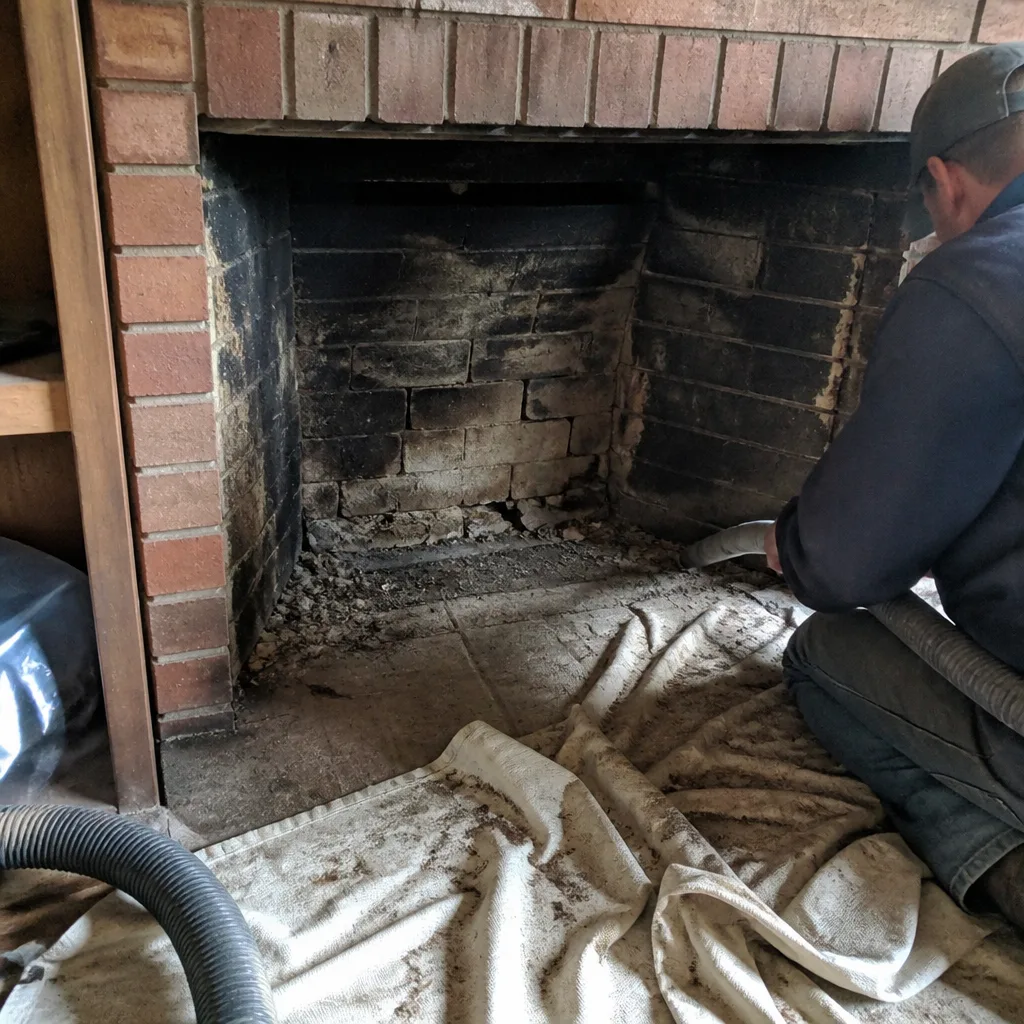 Before
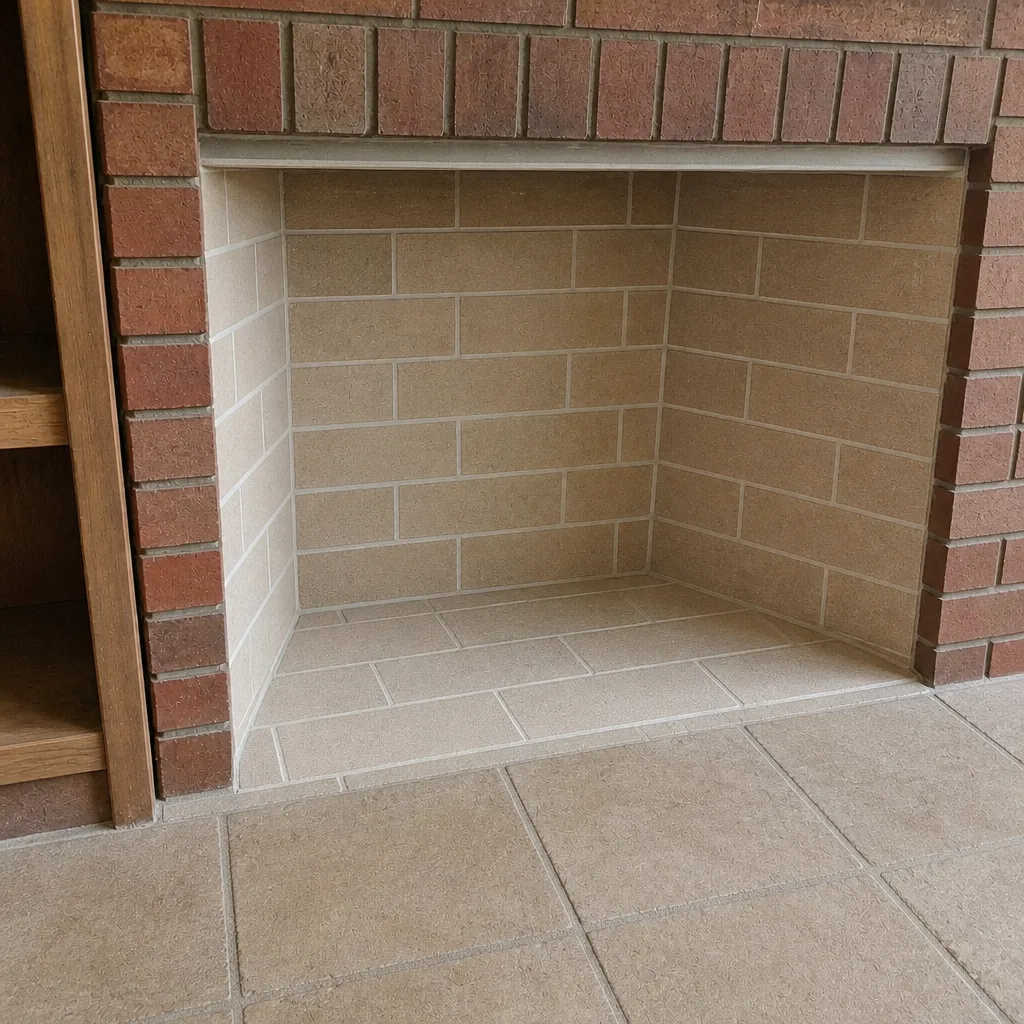 After
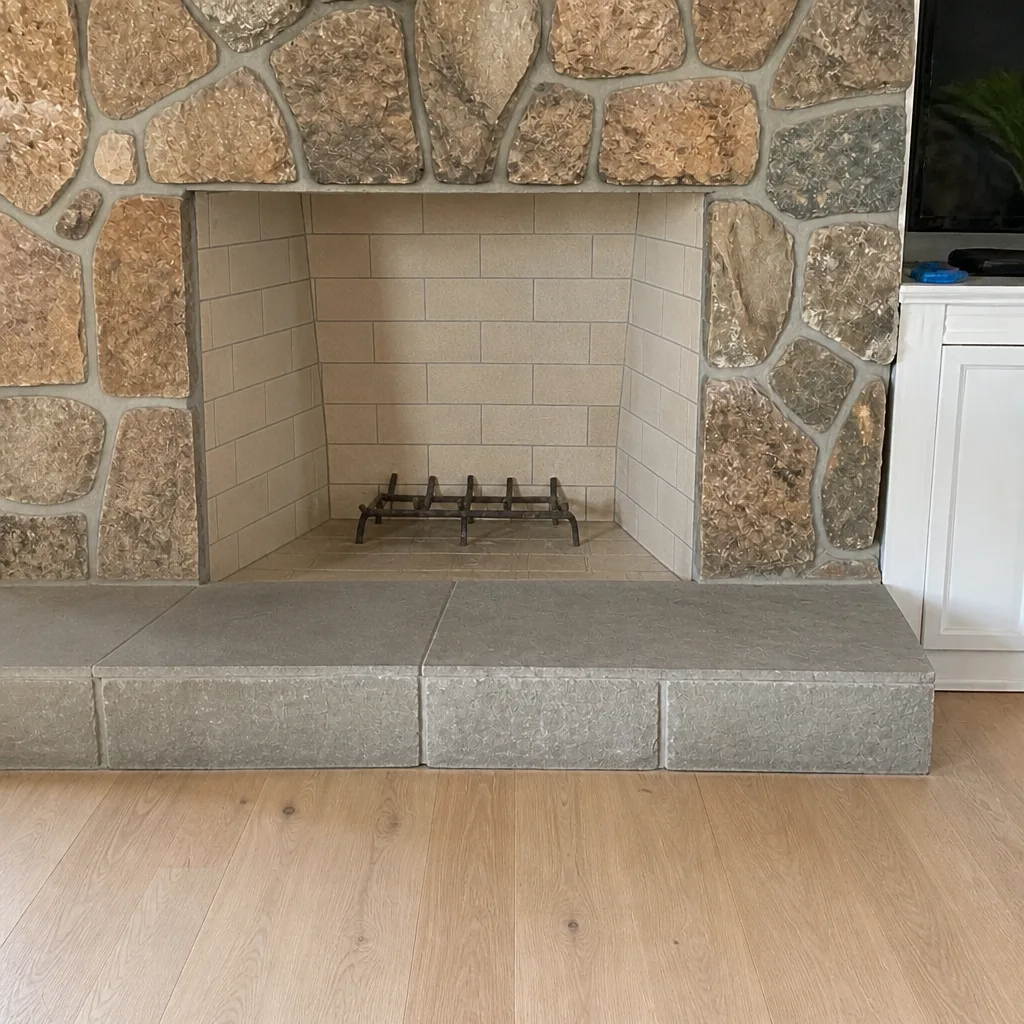
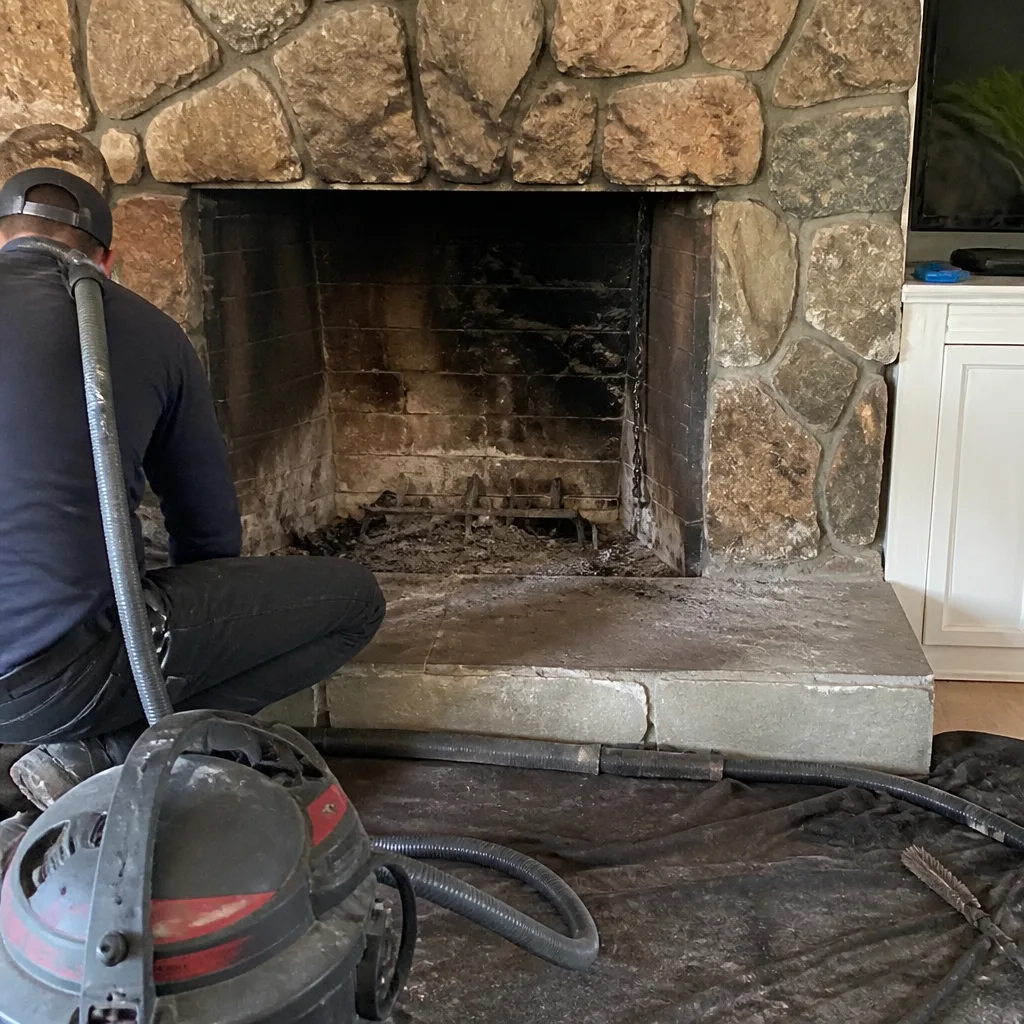 Before
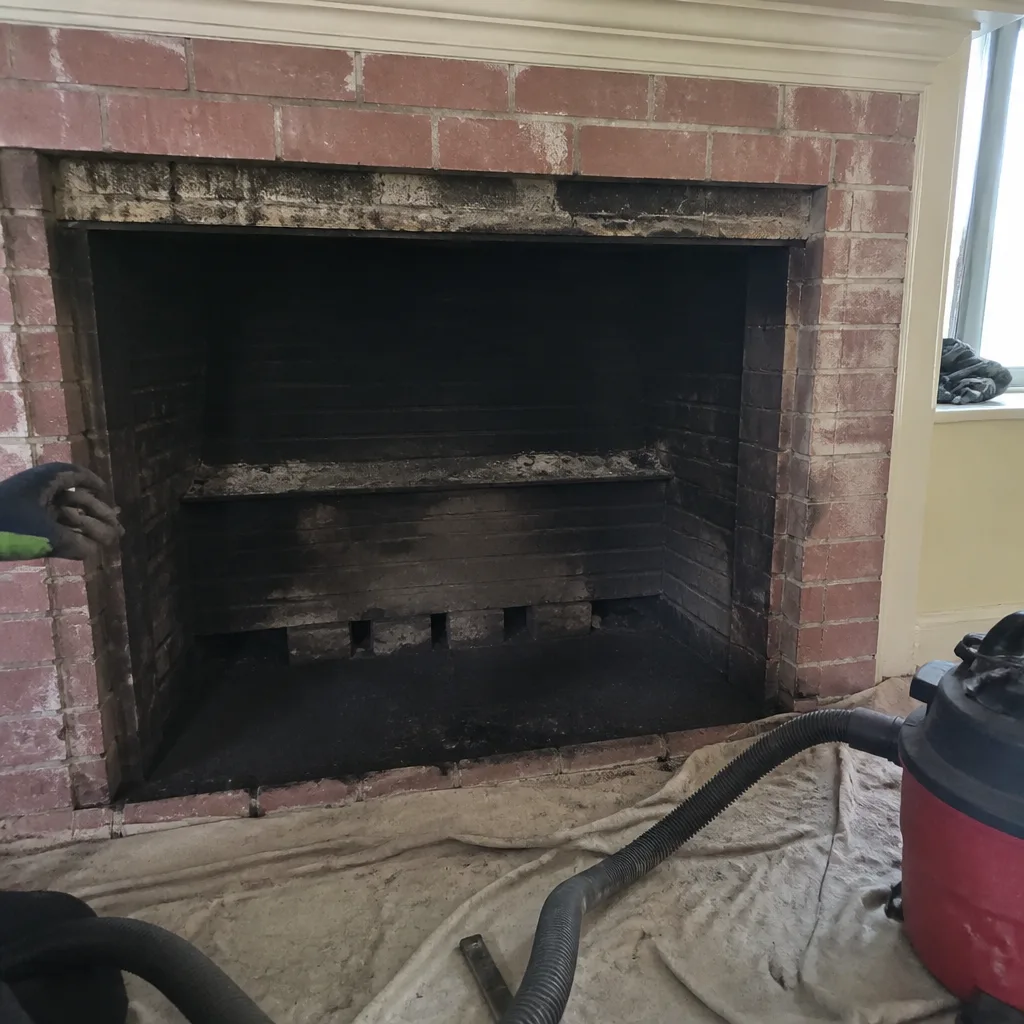
 After
 Before
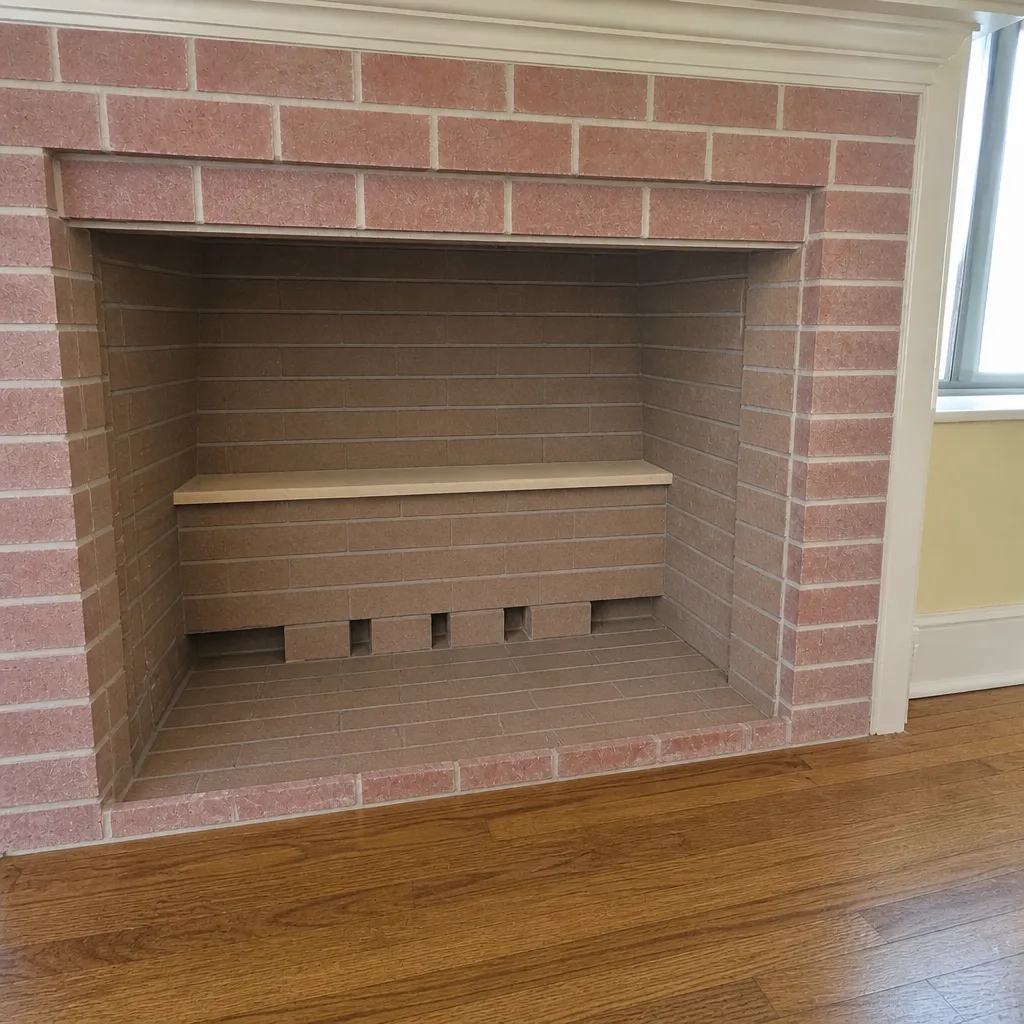 After
Frequently Asked Questions
It often sounds like a low rumble, a distant roar, or a jet engine pulling air, though it can be nearly silent. A quiet chimney fire is still dangerous, so treat a sudden drop in draft, a strong burning smell, or pinging sounds from the flue as a fire until proven otherwise. Call (877) 820-8112 after the fire department clears the scene for a Level II inspection.
No. Any chimney fire requires a Level II inspection before the system can be used again. The fire can leave cracked flue tiles, warped liners, or damaged mortar that isn’t visible from the hearth, and the next fire is where that damage turns into a house fire. Call (877) 820-8112 to schedule the inspection.
A chimney fire is combustion in the flue; a CO event is a venting failure where gases back into the home. The first response is different: close the damper and glass doors on your way out for a chimney fire, and do not touch anything on your way out for CO. Both mean get everyone out and call 911.
Outside each sleeping area, on each level, and near but not directly above the appliance. Follow the manufacturer’s clearance for the specific unit. Test them monthly and replace any unit past its replacement date before burn season. Call (877) 820-8112 if you want the chimney and venting checked at the same time.
You should still call 911 to have it checked and document it, and you need a Level II inspection regardless. A fire you put out with a water spray or a chemical stick can still have damaged the liner. Call (877) 820-8112 for the inspection and we’ll tell you what the camera shows.
Sometimes. If the flue is compromised but structurally intact, HeatShield resurfacing can restore it without a full liner replacement. If the damage is more extensive or the flue configuration is complex, a DuraFlex flexible stainless liner may be the right answer. The camera inspection decides which, and the written estimate sets the price.
The Bottom Line
Chimney emergencies fall into two categories, and the response protocols differ. For an active chimney fire, close the damper and glass doors on your way out to starve the fire of air, then call 911. For a suspected CO event, get out and call 911 without touching anything inside. After either, a Level II inspection is required before the system can be used again, and the inspection needs to be paired with repair capability so the findings can be acted on. The best version of this guide is the one you never need, which means a pre-season sweep, a working set of CO detectors, and a look at the cap and crown before the first cold snap. Our technicians have up to 11 years of experience and we handle the full system, so one call covers the sweep, the inspection, the cap and crown, the fireplace, and the liner work.
When to Call a Professional
Call a professional if your fireplace has smoked back into the room, if you’ve had any chimney fire even one you put out yourself, if your CO alarm has gone off, if the draft has weakened, if you’re selling a Tacoma home and the inspector flagged the chimney, or if you haven’t had a sweep in a year or more and you burn regularly. Don’t wait for symptoms or smells. The camera shows what the hearth can’t. Chimney Sweep Tacoma Pros offers free estimates in Tacoma. Call (877) 820-8112. We answer 24/7. Fast dispatch from 7am to 7pm, Sunday through Friday. The estimate is free and the price is set per job by the written estimate.
Written by the team at Chimney Sweep Tacoma Pros.