
Last updated November 25, 2026
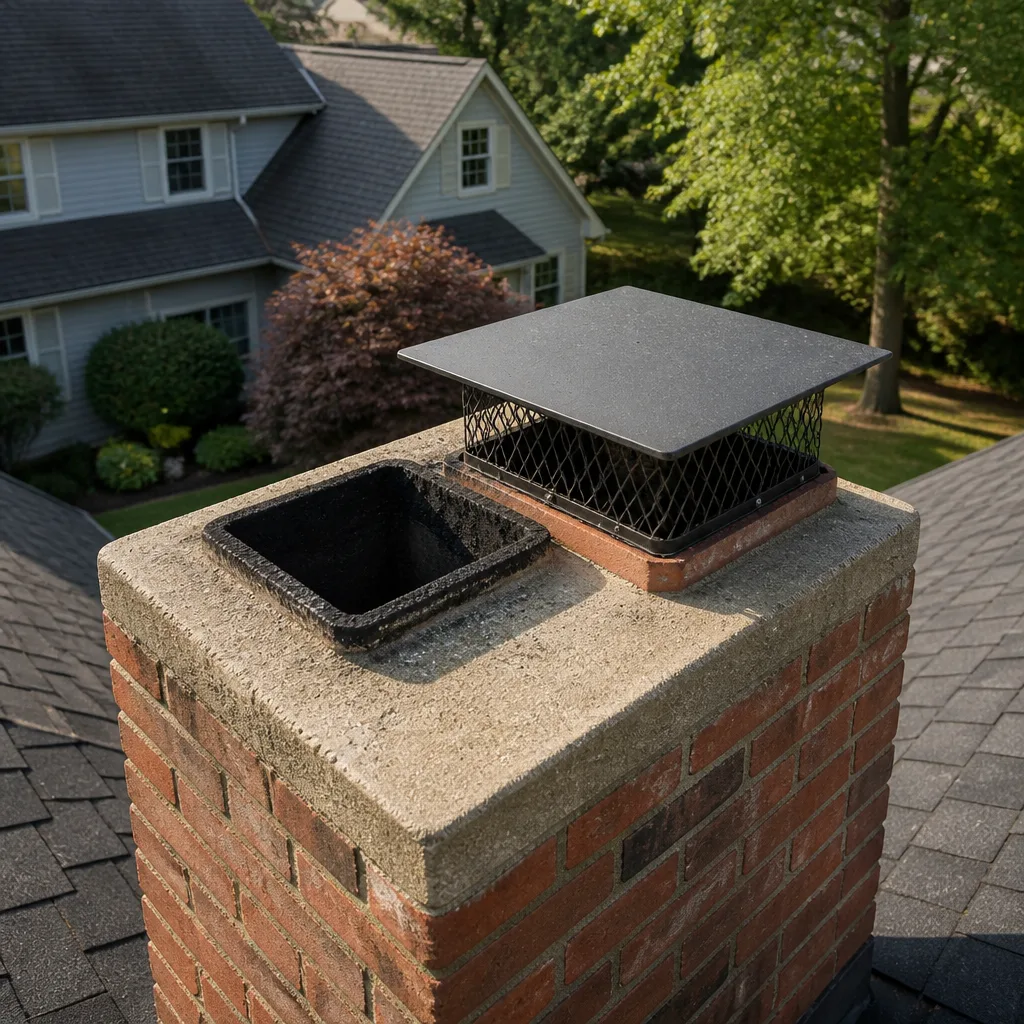 Sweep & inspection
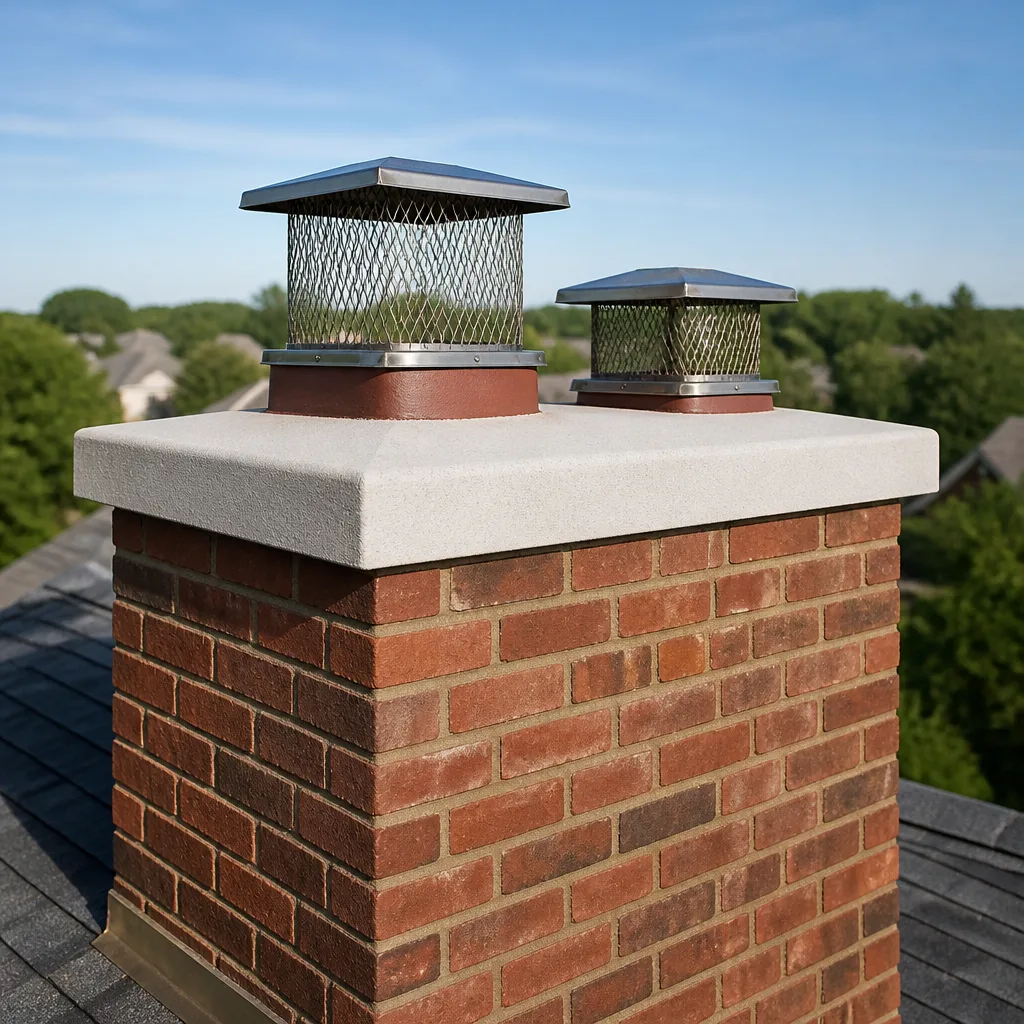 Caps & crowns
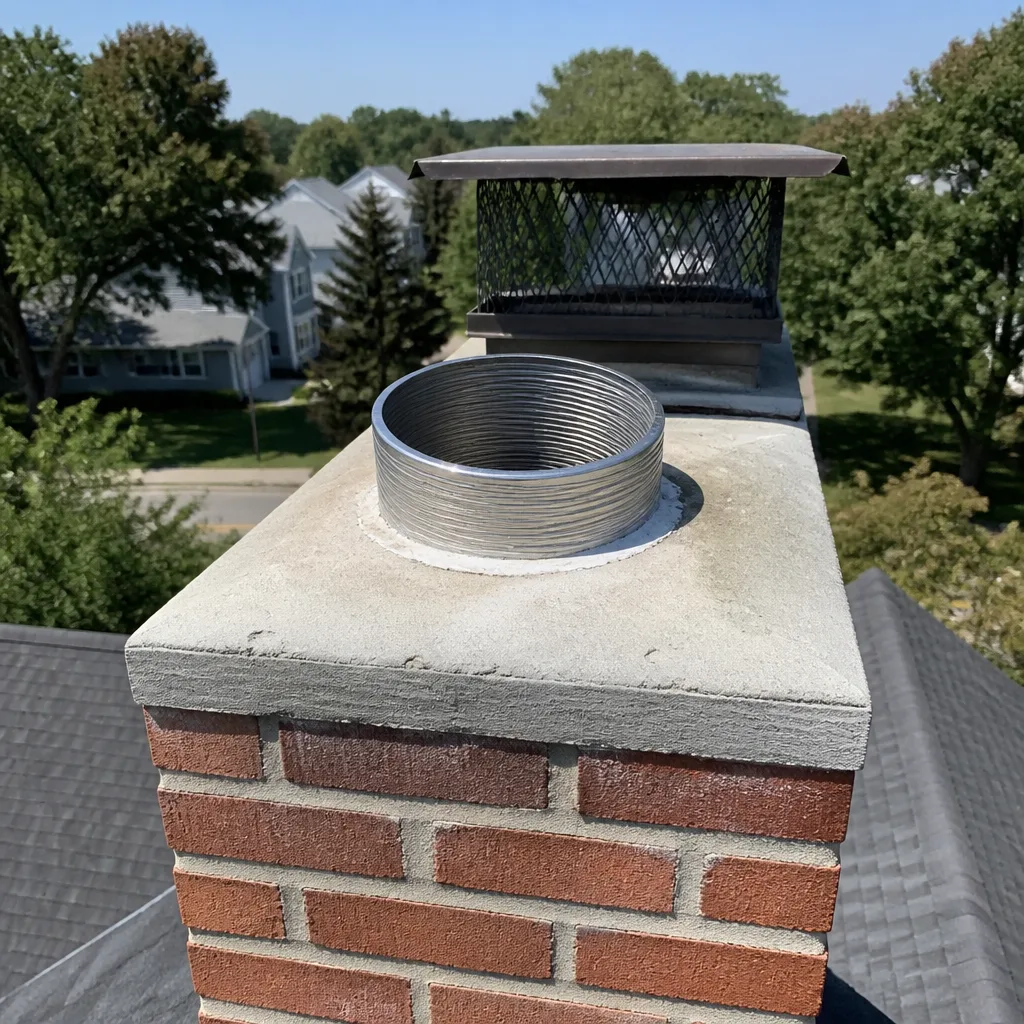 Flue relining
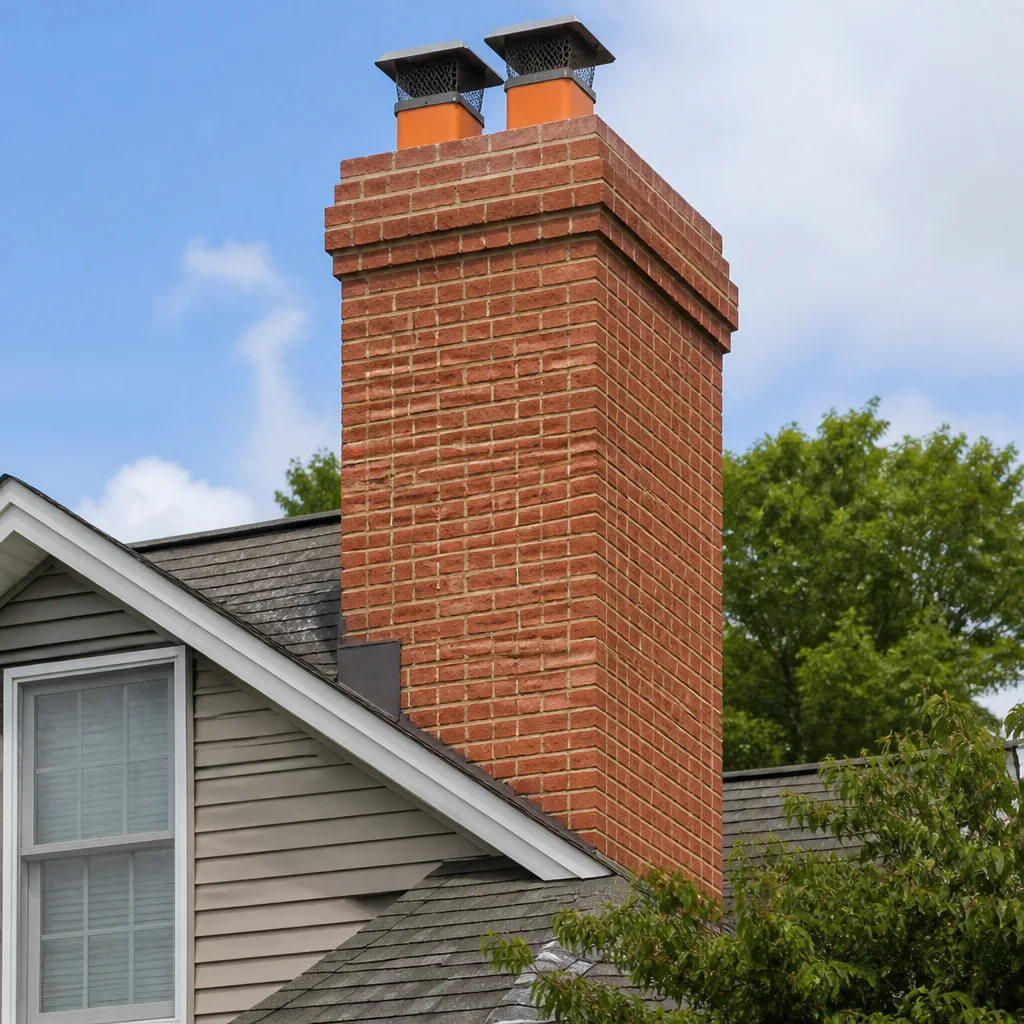 Masonry repair
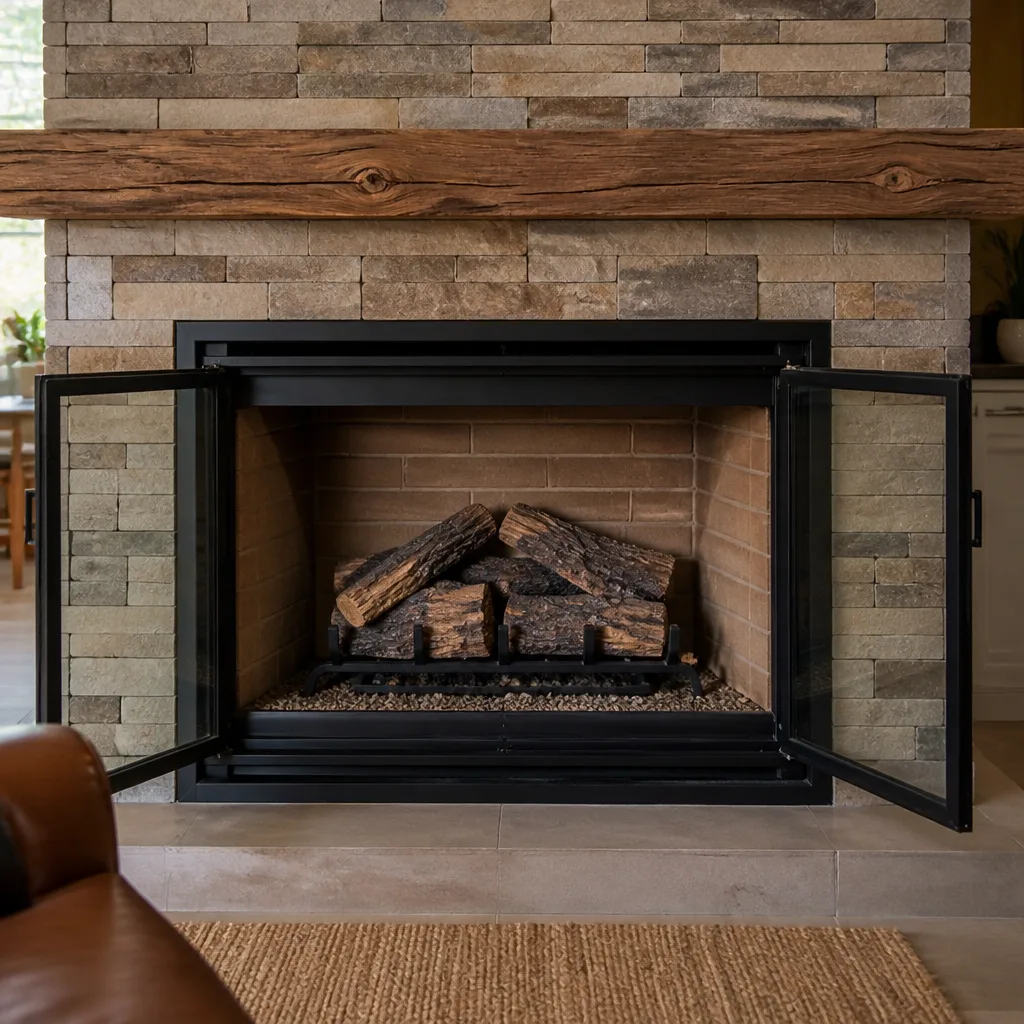 Gas fireplace service
Level 1 sweep and inspection to the NFPA 211 annual standard - flue, crown, cap, and flashing checked and photographed
Chimney sweep logs do not sweep chimneys. They loosen some creosote - which then falls where a brush and vacuum still have to collect it.
Chimney Cleaning Permits, Codes & Inspections in Tacoma, WA: What You Need to Know
Most homeowners assume the only paperwork that matters with a chimney is the receipt from the last sweep. That assumption is where things get expensive. In Tacoma, a cleaning is maintenance, but a repair is construction, and construction usually needs a permit from the City of Tacoma. Skip that step and you can end up with a flue that works fine day to day but leaves you exposed if a fire starts and your insurer asks for the paper trail. This guide walks through which chimney jobs need a permit and which don’t, how the building code treats liners and fireboxes, what a compliance inspection actually is, and how to verify that work on your own house was done legally.
Quick Answer
In Tacoma, routine chimney cleaning and a standard Level 2 inspection do not require a building permit. Repairs and alterations to the chimney structure or flue, including liner relining, fireplace insert installation, and firebox rebuilding, typically do require a permit from the City of Tacoma, and Washington State’s adopted building code follows IRC Section R1001 for masonry and factory-built chimneys. If a permitted repair is done without a permit, your homeowner’s insurance carrier can treat the unpermitted work as a coverage problem after a chimney fire.
Styles & brands we work with
- Sweep & inspection
- Caps & crowns
- Flue relining
- Masonry repair
- Gas fireplace service
Table of Contents
- Cleaning vs. Repair: What Actually Needs a Permit in Tacoma
- How IRC Section R1001 and Washington Amendments Apply to Your Chimney
- Cleaning, Inspection, and the Compliance Document: Three Different Things
- How to Verify Permitted Work: The Tacoma Portal and the Closeout Packet
- What Missing Permits Cost Homeowners: Insurance, Escrow, and Re-Work
- Liner Relining, Inserts, and Firebox Rebuilds: The Permit-Heavy Jobs
- How Tacoma’s Wet Winters Shorten the Life of Chimney Components
- Frequently Asked Questions
Cleaning vs. Repair: What Actually Needs a Permit in Tacoma
The cleanest way to think about it: a permit is about changing the building, not maintaining it. A sweep removes creosote and soot from a flue that already exists. A repair or alteration changes the flue, the firebox, the crown, or the chimney structure, and once you’re changing the building, the City of Tacoma wants a look. That’s the fork in the road most homeowners never get shown.
Here’s the practical split we walk customers through in Tacoma on a regular basis:
- No permit usually needed: annual chimney cleaning, a Level 1 or Level 2 inspection, a chimney cap replacement that mounts to the existing flue tile, and a crown coating or crack seal on an existing crown.
- Permit typically required: installing a new stainless-steel liner, relining a flue with a resurfacing system like HeatShield, installing a fireplace insert, rebuilding a firebox, and any structural repair to the chimney stack or chase.
- Ask your city’s building department: anything that mixes the two, like a liner replacement done at the same time as a cap upgrade. The permit scope is set when the application is filed, so the smart move is to list the whole job.
Most of the confusion in Tacoma comes from services that get sold as “maintenance” but are actually structural. A flue resurfacing job using HeatShield looks like interior work, but it changes the flue’s interior profile and is treated as an alteration. A liner install is clearly construction. Firebox rebuild is masonry work. All of those cross the line into permit territory. A chimney sweep and a flue alteration are not the same service, even when the same technician does both on the same visit.
If you’re not sure which side of the line your job falls on, the answer isn’t to guess. Ask the contractor to state in writing whether the scope requires a permit, and call the city to confirm. Our technicians have up to 11 years of experience and can tell you what we’ve seen permitted in Tacoma versus what cities routinely flag.
How IRC Section R1001 and Washington Amendments Apply to Your Chimney
Washington State adopts the International Residential Code with amendments, and chimney and fireplace requirements live in IRC Section R1001 for masonry chimneys. That section sets the rules for clearances to combustibles, flue lining requirements, wall thickness, crown slope, spark arrestor requirements, and how a chimney must terminate above the roof. For factory-built fireplaces and inserts, the manufacturer’s listing controls, and the code points you back to the installation manual for clearances and venting.
What that means in plain terms for a Tacoma homeowner:
- Flue lining is mandatory. R1001 requires an approved liner material for masonry chimneys. A cracked or missing flue tile is a code defect, not a cosmetic issue.
- Clearances to combustibles are measured, not eyeballed. Framing, sheathing, and trim near a chimney have required distances, and unpermitted remodels are one of the most common places we find them violated in Tacoma homes.
- Chimney height rules over the roof are specific. The 10-2-3 rule (10 feet from the roof surface, 2 feet above anything within 10 feet) is in R1001 and affects draft. A chimney that was extended or cut down without a permit may draft poorly and fail inspection later.
- Inserts must be listed for the application. An insert installed without matching the manufacturer’s listing to the flue is a code defect regardless of how well it heats.
We keep HeatShield and DuraFlex in our material lineup because they’re designed for these structural applications and pass code review when installed to the manufacturer’s instructions. HeatShield is engineered specifically for flue resurfacing, which lets us restore a compromised flue in cases where a full liner replacement isn’t necessary. DuraFlex flexible stainless systems are what we reach for when a flue has an offset or a complex path that a rigid liner can’t navigate. Both are professional-grade materials, the same ones independent chimney professionals specify, not hardware-store substitutes.
The code is not a trap. It exists because a chimney is a system, and every part of it – cap, crown, liner, firebox, and flue – has to work with the rest. When one piece is repaired to code and the rest isn’t, the system is out of balance. A Chimney Sweep Tacoma Pros inspection is built around finding those imbalances before they become a claim problem.
Cleaning, Inspection, and the Compliance Document: Three Different Things
Homeowners use the words “chimney cleaning” and “chimney inspection” interchangeably. They aren’t the same service, and the difference matters most when you’re selling a house or filing an insurance claim. A cleaning removes creosote. An inspection evaluates condition. A compliance document is the written record of that condition, and it’s what an adjuster or a real estate agent actually wants.
The National Fire Protection Association’s inspection standard defines three levels, and the level you need depends on what’s happening in your house:
- Level 1 inspection. Visual check of the accessible parts of the chimney and fireplace, no tools beyond basic ones, done during a routine annual sweep when the system is in known good condition. This is what most Tacoma homeowners get each year.
- Level 2 inspection. Everything in Level 1 plus a camera scan of the flue interior, accessible attic and crawlspace checks, and photos. Required when a home is sold, after a chimney fire, after any change in fuel or appliance, or when you’re getting a repair estimate. This is the level that generates the document a buyer or adjuster will accept.
- Level 3 inspection. Everything in Level 2 plus opening up walls or other construction to access concealed chimney areas. Rare, and only performed when a Level 2 finds something that requires it.
For a home sale in Tacoma, a Level 2 inspection with a camera scan and photo report is the practical minimum. The report should state the flue condition, note any deficiencies with reference to the code standard, and clearly separate urgent issues from items that can wait. That last part matters because it’s where a lot of the unnecessary repair bills in Tacoma come from. Nothing should be recommended without camera evidence you can see for yourself, and we’ll tell you plainly when a repair can safely be deferred.
An inspection without repair capability is just a report. We do both: our findings turn into a scope, and the scope goes to a written estimate. That’s a cleaner path than getting a report from one company and a repair quote from another, because the person documenting the problem is the person who can fix it.
How to Verify Permitted Work: The Tacoma Portal and the Closeout Packet
If chimney work was done on your house, whether by you or a previous owner, you can check whether it was permitted. Tacoma’s online permit portal lets you search by address and see permit history, including applications, inspections, and final status. A permit that was issued but never finaled is a red flag – it means the work may not have passed inspection, and the city still considers it open.
Here’s the verification process we recommend:
- Search the Tacoma permit portal by property address. Look for permits related to chimney, fireplace, gas appliance, or structural work.
- Check the status of each permit. You want “finaled” or “closed,” not “issued” or “inspections outstanding.”
- Request the closeout packet from whoever did the work. A complete packet includes the permit number, the approved scope, the inspection sign-offs, and the manufacturer documentation for any liner or insert that was installed.
- Compare the packet to what’s actually on the roof. The permit scope should describe the work you can see. A liner install with no liner permit is a problem no matter how good the liner looks.
- Get a Level 2 inspection if the paper trail is missing. A camera scan can often tell you whether the installed materials match what a permit would have approved.
When we handle a job in Tacoma, we treat the closeout packet as part of the service, not an extra. That means the homeowner ends up with documentation they can hand to an insurer, a buyer, or a future contractor. It’s not glamorous work, but it’s the difference between a repaired chimney and a repaired chimney that holds up when someone asks questions.
This is also where our positioning as a single-source company matters. Because we diagnose and repair, the findings from an inspection can be acted on directly, and the documentation comes from one party rather than being pieced together. If you’re preparing for a sale, ask for an inspection structured to satisfy home-sale disclosure and insurance documentation needs. That’s a different deliverable than a sweep invoice.
What Missing Permits Cost Homeowners: Insurance, Escrow, and Re-Work
The reason to care about permits isn’t bureaucratic tidiness. It’s that unpermitted work creates three specific, expensive problems, and each one has a way of showing up at the worst possible moment.
Coverage grounds after a chimney fire. A homeowner’s policy is a contract, and most contracts condition coverage on the home being maintained in a reasonably safe condition and on work being performed legally. If liner repairs were done without a permit and a chimney fire follows, the insurer has grounds to question the claim and to request all documentation of the work. In our experience, the most common outcome isn’t an outright denial on day one; it’s a long, adversarial claim process where the homeowner has to prove the work was done correctly and often can’t. The permit record and inspection sign-off are exactly the documents that close that gap.
Failed home-sale contingencies. Chimneys are one of the most common inspection findings in Tacoma homes, and buyers know it. When a buyer’s inspector finds an unpermitted liner install or an insert that was never permitted, the deal can stall or the repair becomes a negotiating credit at the eleventh hour. A documented, permitted repair avoids that entirely.
Re-work costs. Unpermitted work has to be brought into compliance eventually, and the cost of doing it right the second time is usually higher than doing it right the first time. Sometimes an unpermitted liner is acceptable and just needs to be documented; other times it has to come out. The only way to know is a Level 2 inspection and a review of what was installed.
Here’s the honest caveat: not every unpermitted repair is dangerous, and not every situation requires tearing work out. A licensed local professional can evaluate what’s there and tell you where you actually stand. But the exposure exists, and it’s better to find out about it before the insurance company does. If you want to get ahead of it, a documented fireplace repair scope with a proper permit is the version that protects you.
Liner Relining, Inserts, and Firebox Rebuilds: The Permit-Heavy Jobs
These three job types account for most of the permit activity on residential chimneys in Tacoma, and they’re also the three most likely to be sold as “maintenance” by someone trying to avoid the paperwork. Here’s what’s involved and why the permit matters.
Liner relining
A liner replacement is structural. The old flue lining comes out or gets resurfaced, and the new lining has to meet code for material, thickness, and clearance. HeatShield resurfacing can restore a compromised flue without a full liner replacement, which is a genuine cost saver and a legitimate code compliance method when the existing flue is the right shape and the damage is a spalling or cracking liner rather than a missing one. For flues with offsets or complex paths, a flexible DuraFlex stainless system is often the answer. Either way, a permit should be filed before the work starts, and the material documentation should be part of the closeout packet.
Fireplace insert installation
An insert is a manufactured appliance with a listing. The listing specifies the venting, clearances, and hearth requirements that make the installation legal. A permit requires the installer to show the insert is listed for the application and installed to the manufacturer’s instructions. Inserts installed without documentation are the most common permit problem we find in Tacoma homes, and they typically show up during a sale or an insurance review rather than at the time of installation.
Firebox rebuild
Rebuilding a firebox is masonry work that changes a structural component of the fireplace. It’s permitted, it’s inspected, and it’s also where we see a lot of unpermitted patch work: firebrick replaced with the wrong material, mortar mixes that don’t hold up to heat, and firebox walls that were parged rather than rebuilt. The first time the firebox heats and cools through a season, the difference shows.
For all three jobs, the cap and crown matter as much as the interior work. A chimney cap and crown using purpose-built components from Gelco or Famco is what keeps water out of the flue after the liner work is done. If a liner install is finished and the crown is still cracked, the job isn’t finished. That’s why our chimney cap & crown work ships alongside liner and structural jobs rather than as an afterthought.
How Tacoma’s Wet Winters Shorten the Life of Chimney Components
Tacoma’s winters are wet and long, with frequent rain and freeze-thaw cycles at the margins of the season. That combination drives a predictable pattern of chimney problems: water gets into a hairline crown crack, freezes, widens the crack, and gets into the flue. Over several seasons the flue lining that was fine at the last inspection is spalling or delaminating. The chimney doesn’t fail because of one bad winter; it fails because of a hundred small wet cycles that nobody looked at.
The consequence for permits and inspections is that the interval between “inspection passed” and “inspection finds a repair” is shorter in Tacoma than in dryer climates. A flue that was documented as sound two or three years ago may now have a liner that needs resurfacing or replacement, and the cost to fix it is the same whether or not the original inspection was documented. What changes is whether you have a paper trail showing the condition was monitored and the work was done legally.
Practically, that means a couple of things for Tacoma homeowners:
- Annual sweeps matter more here. A sweep and a Level 1 inspection together catch water intrusion and flue damage early, before it becomes structural.
- Crown maintenance is a permit-free habit. Sealing a cracked crown or installing a proper cap doesn’t need a permit, and doing it early avoids the liner replacement that later will need one.
- Get a camera inspection before assuming the worst. A lot of the repairs recommended in Tacoma after a wet winter turn out to be modest once the camera shows what’s actually going on.
We handle the whole system in one relationship: cleaning, inspection, cap and crown, liner repair with HeatShield resurfacing, and full structural chimney repair. No referral to another contractor mid-job, and no second visit to a different company for the part of the work that crosses from maintenance into construction.
Common Mistakes to Avoid
- Assuming a sweep covers the paperwork. A cleaning invoice proves the chimney was swept, not that a repair was permitted. If any part of the work changes the flue, ask for the permit number before the work starts.
- Letting the contractor choose whether to permit. Some Tacoma contractors skip permits to keep the price down, and the homeowner carries the risk. The scope of the job determines the permit, not the contractor’s preference.
- Accepting an inspection report with no camera evidence. A report that recommends thousands of dollars of liner work without photos of the flue interior is a report you can’t verify. Ask to see the camera scan.
- Treating a home-sale inspection as a shopping list. Buyers’ inspectors flag chimneys routinely. Some of the flagged items are genuine, some are deferred maintenance that can safely wait. A Level 2 inspection with a photo report is what separates the two.
- Installing a fireplace insert without checking the listing. An insert that isn’t listed for the flue it’s connected to is a code defect even when it works. Matching the listing to the existing flue is the first step, not a formality.
- Skipping the cap and crown when the liner is done. Water intrusion is the leading cause of chimney damage in Tacoma, and a newly relined flue is still exposed if the crown is cracked. Finish the system, not just the part with the permit.
- Ignoring permit status on a house you already own. Unpermitted work from a previous owner can show up during a refinance, an insurance review, or a sale years later. A permit portal search is free and takes a few minutes.
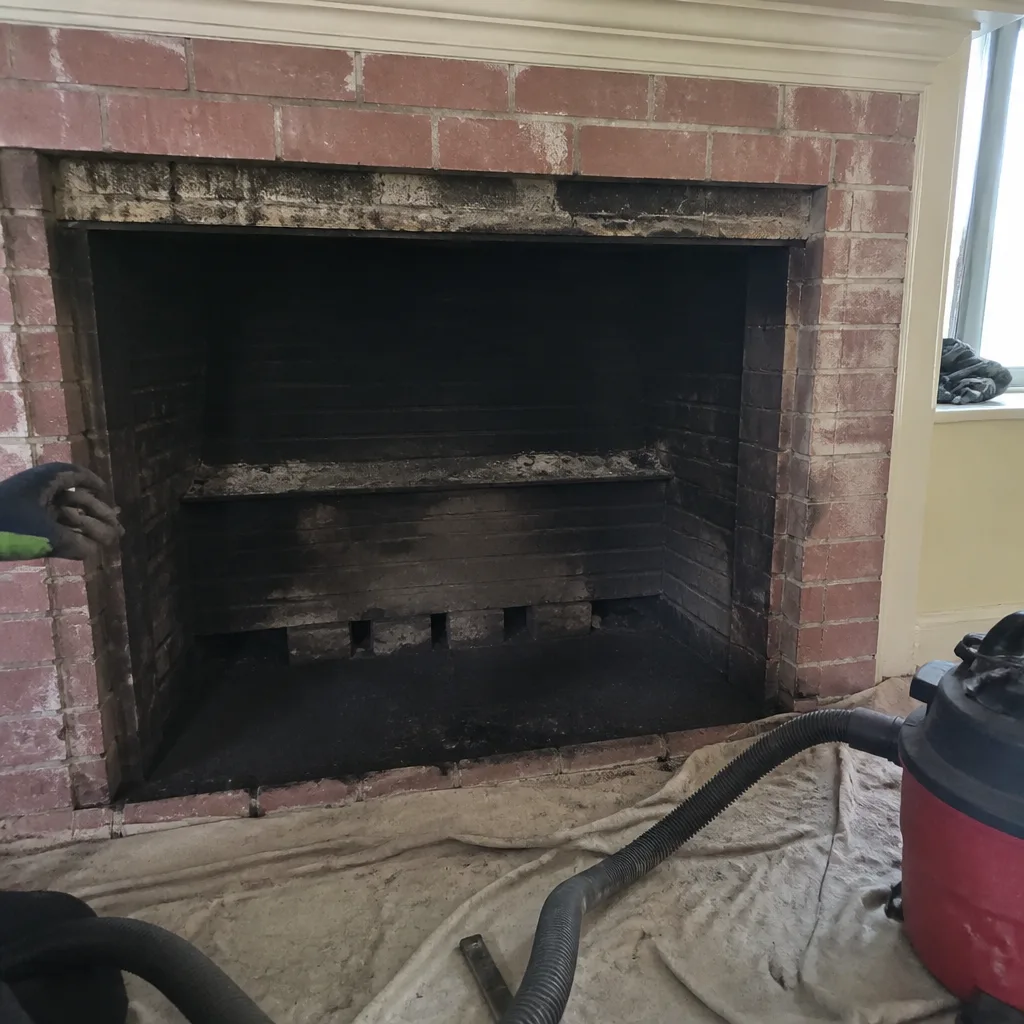
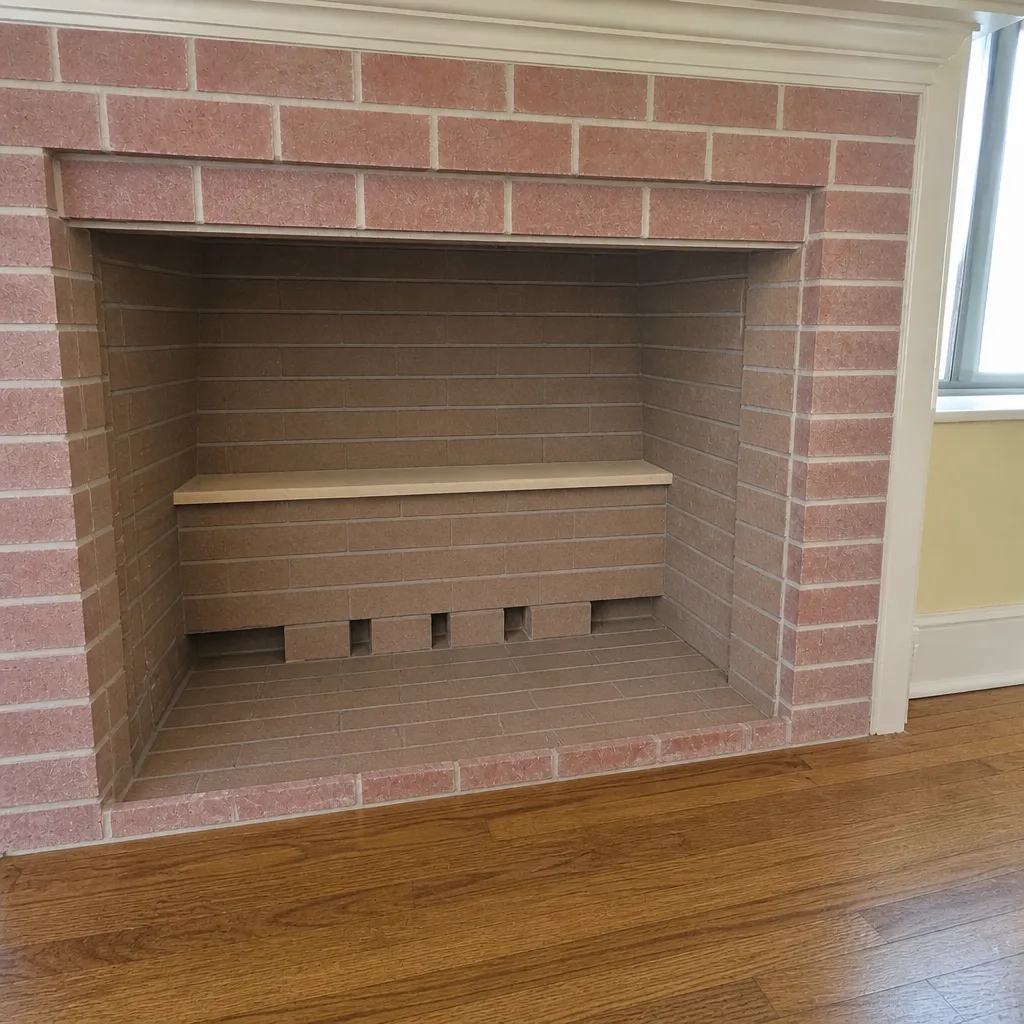
See the difference
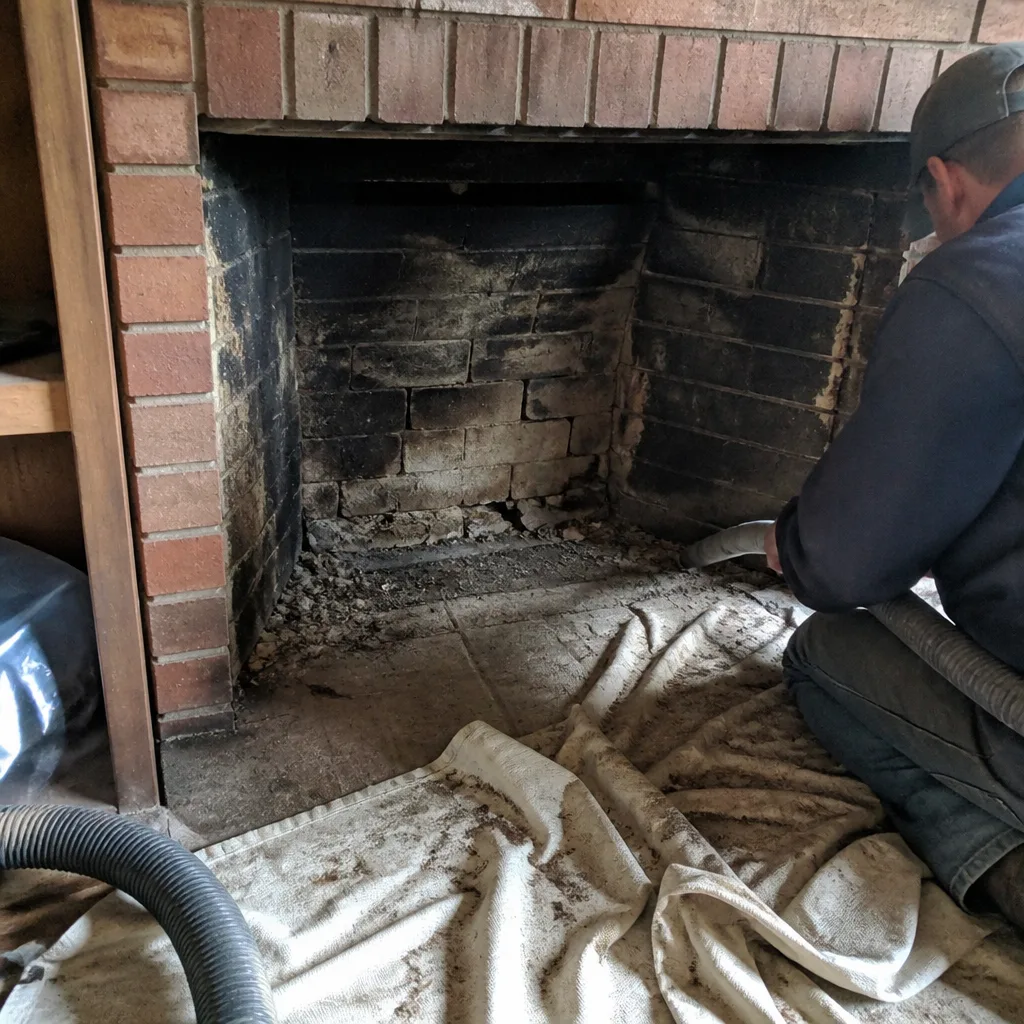 Before
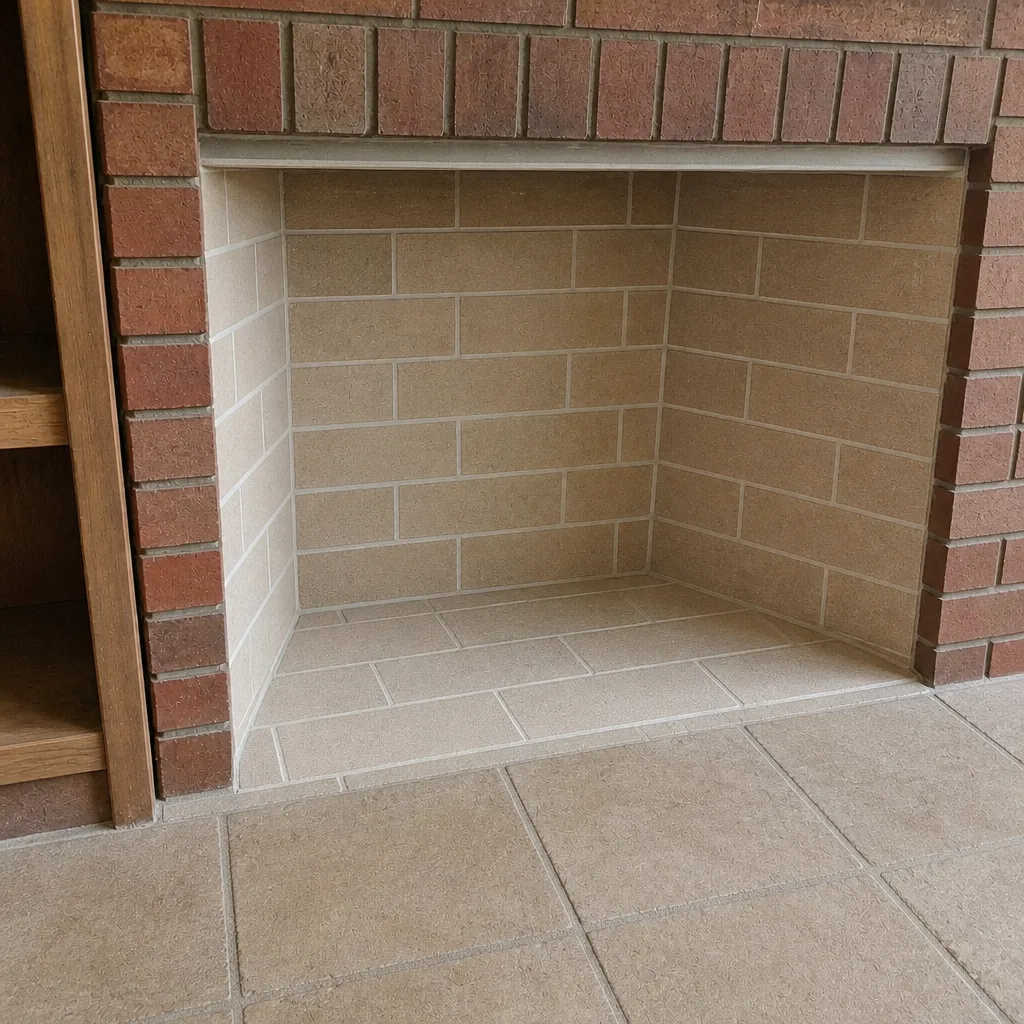 After
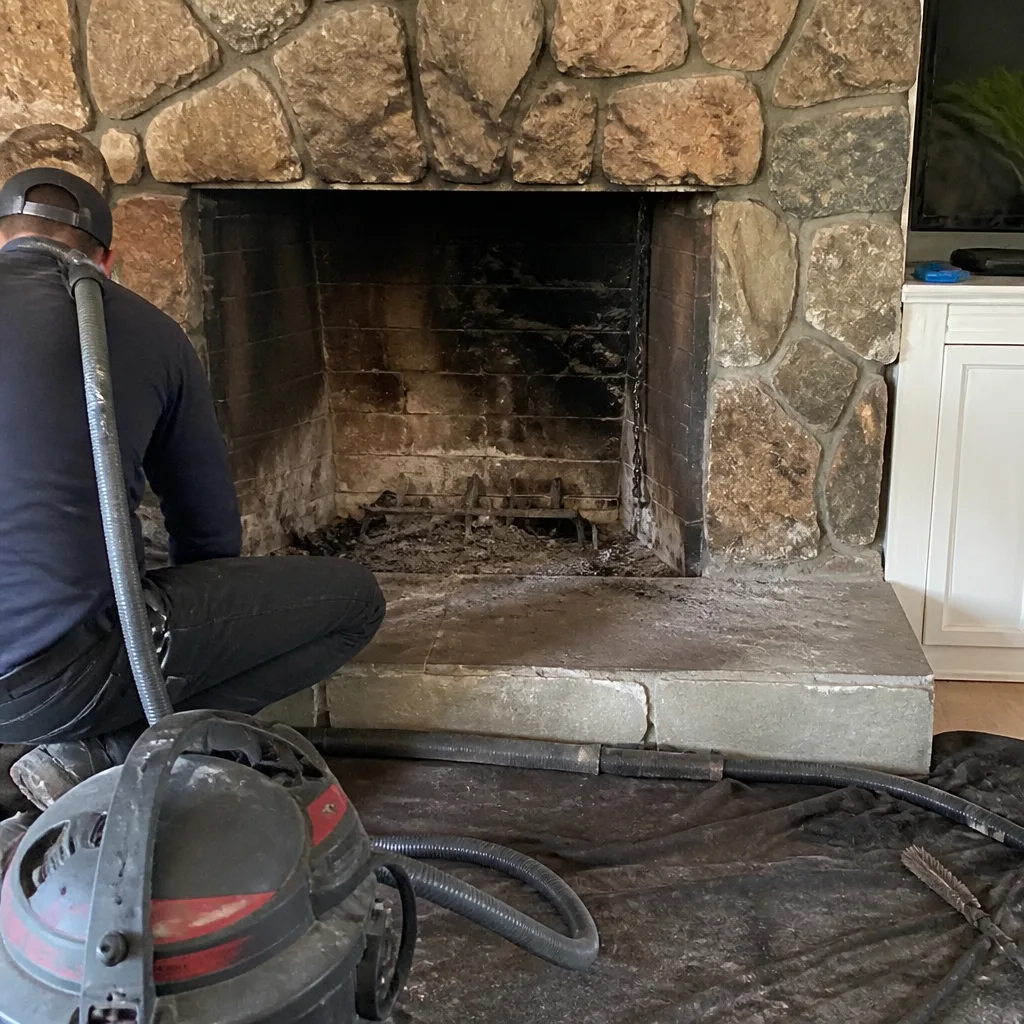 Before
 After
 Before
 After
When to Call a Professional
Call when the work on your chimney changes the structure: a new liner, a resurfaced flue, an insert installation, a firebox rebuild, or structural repair to the stack. Call when you’re selling a home and need a documented inspection for disclosure or insurance, or when a home inspector flagged the chimney and you need a qualified second opinion. Call after a chimney fire, even a small one, because a Level 2 inspection with a camera is the only way to know what the fire did to the flue. Call if a previous repair was done without a permit and you want to know where you stand before an insurer or a buyer asks. And call when the work isn’t a repair at all: an annual sweep, a crown seal, or a cap replacement keeps small problems from becoming permitted construction jobs. Chimney Sweep Tacoma Pros offers free estimates in Tacoma – call (877) 820-8112. We answer 24/7. Fast dispatch from 7am to 7pm, Sunday through Friday.
Frequently Asked Questions
No. A routine chimney cleaning and a Level 1 or Level 2 inspection do not require a permit in Tacoma. A permit is only required when the work changes the structure of the chimney or the flue, such as a liner install, a firebox rebuild, or a fireplace insert installation. If a contractor tells you a cleaning needs a permit, ask them to name the code section; there isn’t one. Call (877) 820-8112 for an exact quote on a cleaning – estimates are free.
Yes, in most cases. Liner relining, whether a full stainless liner or a HeatShield resurfacing job, changes the flue and is treated as a repair or alteration requiring a permit from the City of Tacoma. The permit application should specify the liner material and the scope, and the closeout packet should include the inspection sign-offs and the manufacturer documentation. If you’re not sure whether your job needs a permit, ask the contractor to state the answer in writing. Call (877) 820-8112 and we’ll walk through your situation.
A chimney cleaning removes creosote and soot from the flue. A Level 2 inspection adds a camera scan of the flue interior, photos, and a written report, and it’s the document a buyer, insurer, or real estate agent will accept after a sale or a chimney fire. If you need a compliance document, you need a Level 2, not a sweep invoice. Call (877) 820-8112 for an exact quote – estimates are free.
Use the City of Tacoma’s online permit portal to search by address and view the permit history, including whether each permit was finaled. Then request the closeout packet from whoever did the work: the permit number, approved scope, inspection sign-offs, and the manufacturer documentation for any liner or insert. If the packet is missing or the portal shows an open permit, a Level 2 inspection with a camera can often tell you what was actually installed. Call (877) 820-8112 if you want help reading what you find.
Yes, it can. If a chimney fire occurs and liner repairs were done without a permit, the insurer has grounds to question the claim and to request documentation of the work. In many cases the outcome is a long, adversarial claim process rather than an immediate denial, but either way the homeowner ends up needing to prove the work was done legally and often can’t. The permit record and inspection sign-offs are the documents that prevent that situation. Call (877) 820-8112 to talk through what your paperwork should include.
Once a year is the standard, and it’s the right interval for Tacoma’s wet winters because annual sweeps catch water intrusion and flue damage early. A Level 2 inspection should also be done before a home sale, after a chimney fire, and after any change in fuel or appliance. Skipping the annual sweep doesn’t save a meaningful amount, and it can turn a cap and crown fix into a liner replacement that needs a permit. Call (877) 820-8112 for an exact quote – estimates are free.
The Bottom Line
In Tacoma, chimney cleaning is maintenance and doesn’t need a permit, but liner relining, insert installation, firebox rebuilds, and structural repairs are permitted construction. IRC Section R1001 and Washington State’s amendments set the rules for flue lining, clearances, and chimney height, and the City of Tacoma enforces them. The paper trail matters: a permit record, an inspection sign-off, and manufacturer documentation are what protect you if an insurer or a buyer asks questions later. A Level 2 inspection with camera evidence is the document that separates genuine repairs from unnecessary ones, and repair capability built into the same company means the findings get acted on. We perform sweeping, inspections, cap and crown work, fireplace repair, structural repair, and liner restoration using professional-grade materials including DuraFlex and HeatShield, and we’ll tell you plainly when a repair can safely wait. Call (877) 820-8112 for a free estimate. We answer 24/7. Fast dispatch from 7am to 7pm, Sunday through Friday. We’re closed Saturday.
Written by the team at Chimney Sweep Tacoma Pros.