
Last updated November 25, 2026
 Sweep & inspection
 Caps & crowns
 Flue relining
 Masonry repair
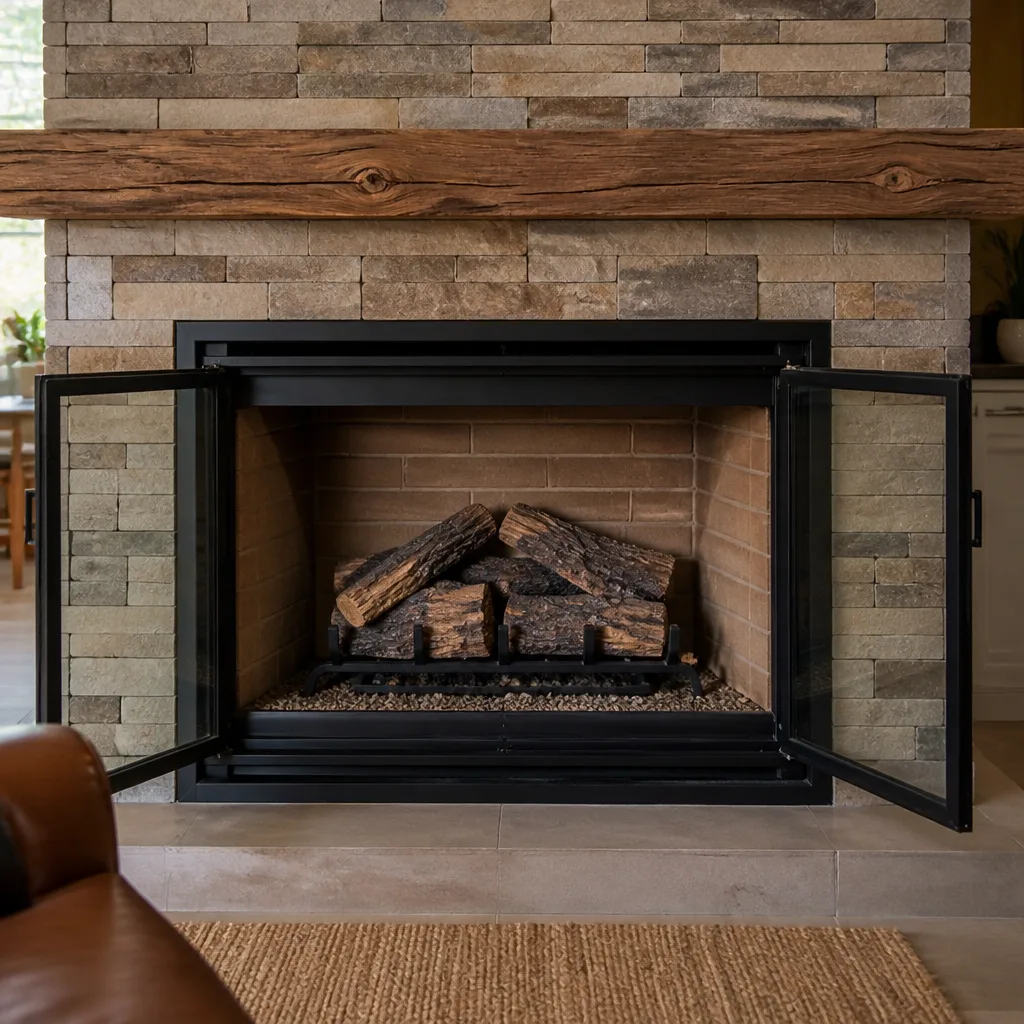 Gas fireplace service
Level 1 sweep and inspection to the NFPA 211 annual standard - flue, crown, cap, and flashing checked and photographed
Chimney sweep logs do not sweep chimneys. They loosen some creosote - which then falls where a brush and vacuum still have to collect it.
Chimney Cleaning Warning Signs: A Tacoma Homeowner’s Reference Guide
A white mineral stain running down your firebox wall isn’t cosmetic. It’s water that has already found a path past your liner and into the masonry, and by the time it shows up on the surface, that pathway has been open for at least a season. The signs that a chimney needs attention almost always appear indoors first, at the firebox, the damper, or the ceiling around the flue, long before anyone climbs onto the roof. This guide teaches you to read that evidence: what each stain, smell and crack actually means, which signs mean stop using the fireplace today, and how to document what you see well enough that a technician can assess it before arriving. We work on Tacoma chimneys every week, and the pattern holds.
Quick Answer
The warning signs that your chimney needs cleaning or inspection are: visible soot or creosote buildup thicker than a light dusting, a strong smoky or acrid odor that returns when the fireplace is off, white mineral staining on the firebox or exterior brick, spalling or flaking brick, smoke rolling back into the room instead of up the flue, a damper that won’t open fully or seat closed, and moss or cracked mortar on the chimney crown. Any sign involving smoke backdraft, a blocked flue, or a damaged liner warrants stopping use until a technician inspects the system. Most other signs mean schedule a sweep or inspection soon rather than ignore it through the season.
Styles & brands we work with
- Sweep & inspection
- Caps & crowns
- Flue relining
- Masonry repair
- Gas fireplace service
Table of Contents
- Why the First Warning Signs Are Always Indoors
- Symptom-to-Cause Dictionary: What Each Sign Actually Means
- Creosote Odor vs. Mold Odor: Two Moisture Problems, Two Different Fixes
- Pacific Northwest Signs: Moss, Freeze-Thaw Spalling, and Firebox Condensation
- “Monitor and Schedule” vs. “Stop Using Today”: Clear Criteria
- How to Photograph and Document What You See
- Timing in Tacoma: When to Book a Sweep
- What a Proper Sweep and Inspection Actually Covers
Why the First Warning Signs Are Always Indoors
Your chimney is a system, and the firebox is where every part of that system reports its condition. Cap, crown, liner, flue and damper all work together, and when one component starts to fail, the effect shows up at the point where fire meets masonry. That’s the firebox wall, the damper plate, the smoke chamber above the damper, and the ceiling or wall where the flue passes through.
Water tells you first. A chimney is designed to shed water at the top through the cap and crown, then through the flashing where it meets the roof. When any of those fail, water enters the flue and masonry and begins working downward. It doesn’t announce itself on the roof. It announces itself inside.
Tacoma sits in a climate that gives masonry a steady dose of moisture from October through spring, with mild stretches in between. Brick and mortar absorb water during the wet months and release it slowly. If a chimney has an open pathway, water keeps topping up the masonry faster than it can dry, and the interior evidence becomes visible.
The practical consequence: you can learn a lot about the condition of your chimney without a ladder, and you should. What you’ll see inside is what a technician looks for first.
A quick checklist of where to look indoors
- The firebox walls, floor and back panel
- The damper plate and the smoke chamber just above it
- The area where the firebox meets the hearth
- The ceiling and wall near the flue passing through the house
- The smell of the room when the fireplace hasn’t run in a day or two
Symptom-to-Cause Dictionary: What Each Sign Actually Means
Most chimney problems can be traced from a visible symptom to a specific mechanism. This section is the heart of this guide. When you know the mechanism, you know how urgently to act.
Efflorescence (white, chalky mineral stains)
White, powdery or crystalline staining on the firebox wall or exterior brick means water is moving through the masonry and pushing dissolved salts to the surface as it evaporates. The stain is not the problem. The pathway is. Efflorescence tells you water is inside the masonry where it shouldn’t be, and it’s a strong signal that the crown, cap or flashing above needs inspection.
Spalling brick (flaking, pitted, crumbling faces)
Spalling is what happens when water soaked into brick freezes, expands and pushes the face off. Each winter freeze-thaw cycle peels away another layer. Spalling brick is not cosmetic deterioration, it’s structural loss. If you can crush a brick face with your thumb, the chimney has lost load-bearing capacity in that area and needs a technician’s review before the next season.
Smoke backdraft (smoke rolling into the room)
Smoke that won’t rise is a pressure or blockage problem. The most common causes are a flue blocked by a bird nest, a sagging liner, a closed or broken damper, or negative pressure from another exhaust source pulling air down the chimney. This is a stop-using condition. A blocked flue can push carbon monoxide into the room along with the smoke.
Damaged damper plate (won’t open fully or won’t seal closed)
The damper is a metal plate that regulates the flue. If it’s warped or rusted, it may not open flat, which narrows the flue and causes smoke to back up. If it doesn’t close fully when the fireplace is off, warm indoor air rises up the flue all winter, carrying heat and moisture with it. A stuck-open damper is a moisture pathway in mild climates and an energy loss in cold ones.
Thick, glossy creosote (tar-like or glazed buildup)
Creosote comes in three stages. A light dusting of soft soot is normal and sweeps off easily. Crumbly or flaky buildup is stage two. Glazed, tar-like, hard buildup is stage three, and it’s the most combustible. Stage three creosote in a hot flue is the fuel for a chimney fire. Any time you can see glaze in the flue or on the smoke chamber, stop burning and schedule a sweep.
Cracked or missing chimney crown
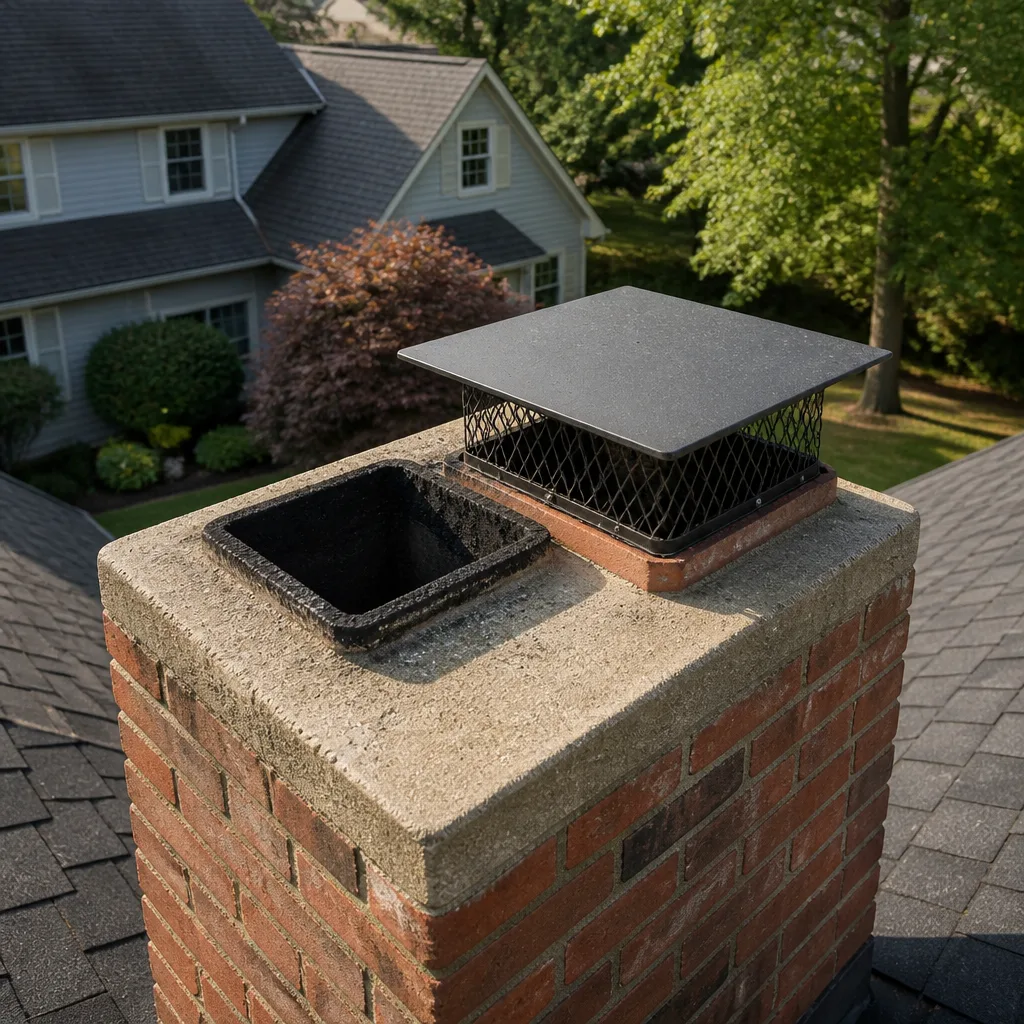
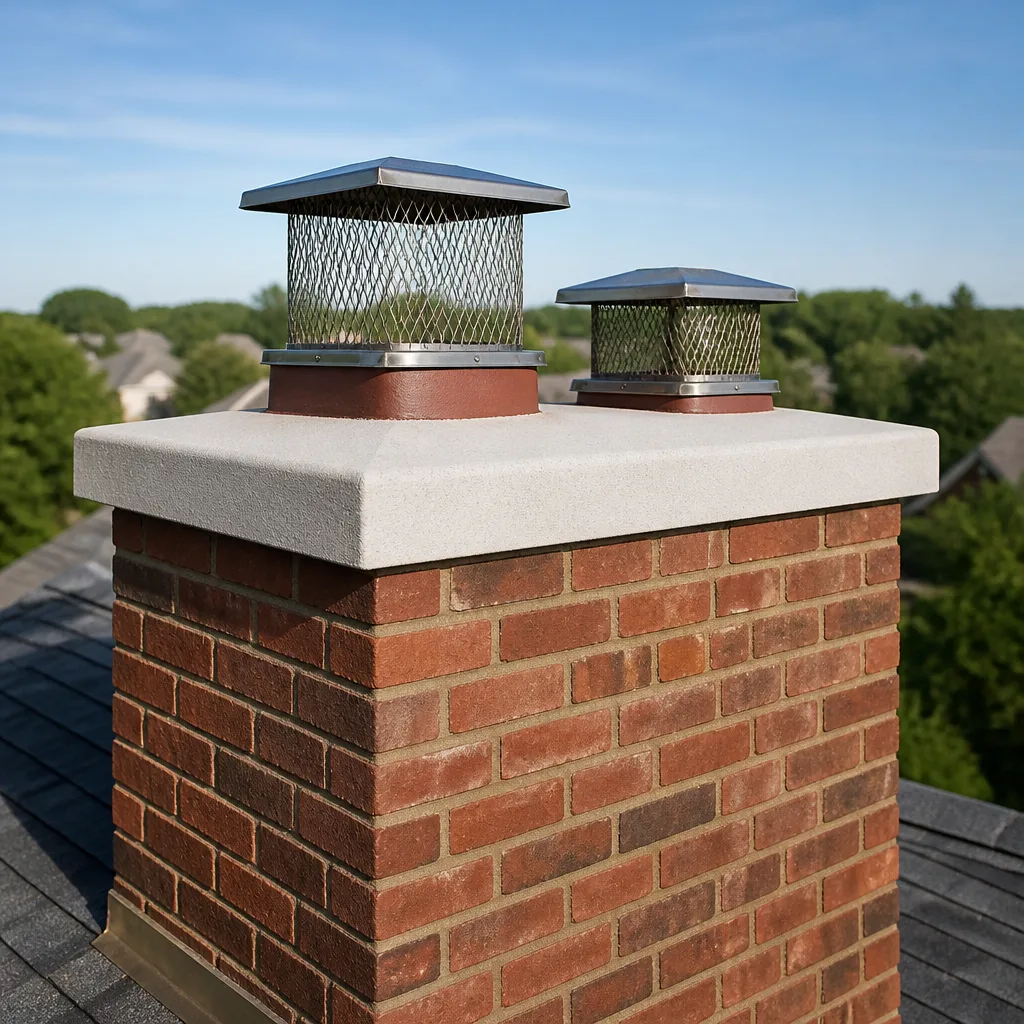
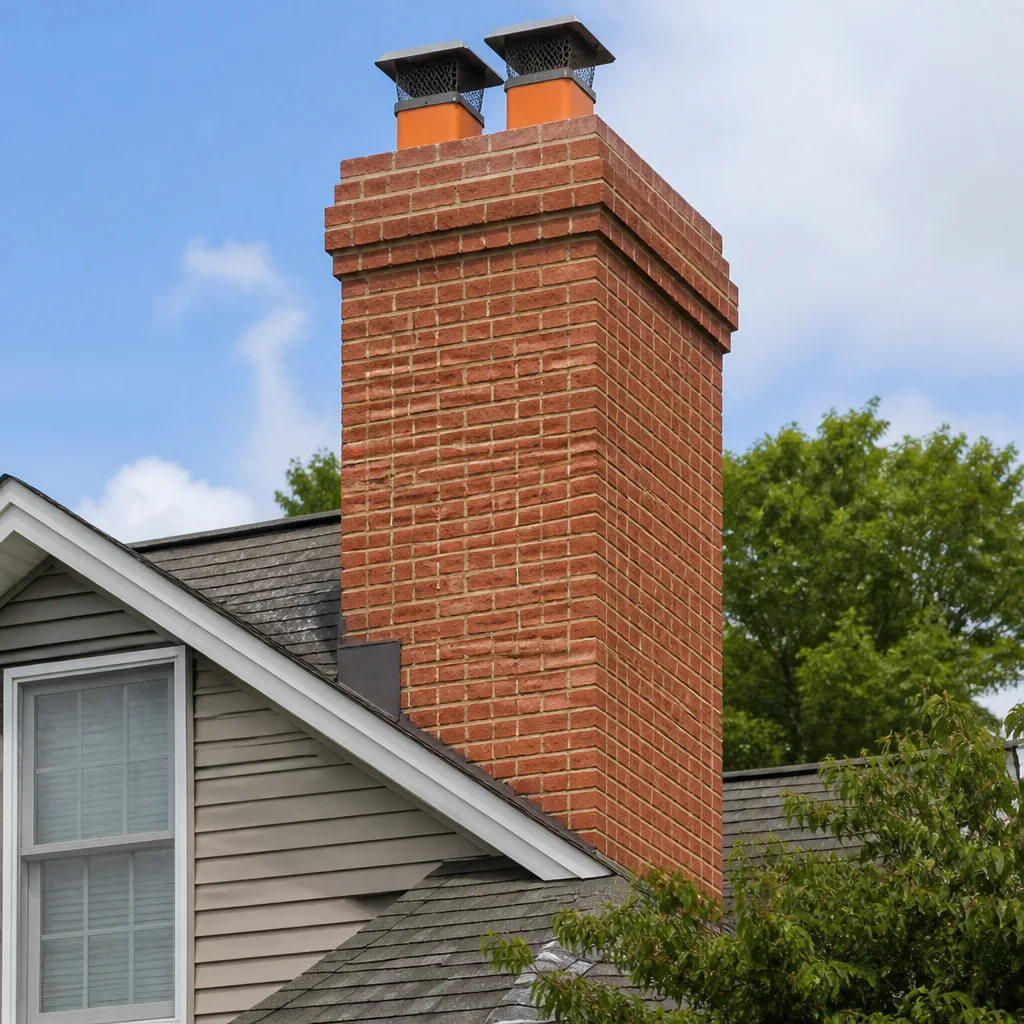
The crown caps the top of the chimney and sheds water away from the flue opening. When it cracks, water pours directly into the masonry below every time it rains. A cracked crown is the single most common cause of the water-damage symptoms above, and it’s often the least visible from the ground. Chimney cap & crown work using purpose-built components is one of the most cost-effective structural jobs you can schedule.
Loose or missing chimney cap
The cap covers the flue opening to keep out rain, birds, squirrels and debris. If the cap is missing, tilted or rusted through, water and animals enter the flue directly. A missing cap is also a clear path for rainwater to enter the flue, soak the liner and pool at the smoke shelf.
Creosote Odor vs. Mold Odor: Two Moisture Problems, Two Different Fixes
Both smells point to moisture, but they mean different things and require different interventions. Getting them straight saves you from the wrong repair.
Creosote odor
Creosote smells sharp, smoky or tar-like. It’s more pronounced on warm, humid days when the pressure is low, and it’s strongest right after a fire has died down. That sharp smell returning when the fireplace is off is a sign that creosote in the flue has absorbed moisture and is releasing it back into the room. Creosote with moisture content is also a more corrosive environment for the liner and more likely to ignite. The fix is a sweep, plus an inspection to find where the moisture is entering.
Mold and mildew odor
Mold smells musty, earthy or like wet cardboard. In a chimney context, it points to water standing somewhere in the masonry, usually at the smoke shelf, the top of the firebox, or in the area behind the damper. Mold thrives where moisture is trapped and airflow is minimal. If the smell is musty and persists even after a sweep, the water source needs to be found and closed before any further work is done.
The practical distinction
- Smoky or acrid smell returning when the fire is off: creosote and moisture. Book a sweep and inspection.
- Musty or earthy smell, especially after rain: mold and trapped water. Find the water source first.
- Both, at the same time: a long-standing moisture issue. This is the combination that damages liners and should be assessed by a technician before you burn again.
Pacific Northwest Signs: Moss, Freeze-Thaw Spalling, and Firebox Condensation
Tacoma homes have chimney problems you won’t see written up in a guide written for a dry climate. The moisture pattern here is different, and so are the warning signs.
Moss on the crown and flashing
Moss doesn’t appear on a dry surface. It appears where a surface stays wet long enough to support growth. Moss on the chimney crown is a direct indicator that the crown has lost its slope or sealed finish and is retaining water. The same applies to moss on the flashing where the chimney meets the roof. If you can see green up there, the crown needs attention, and the sooner the better. Purpose-built cap and crown components using Gelco and Famco are a common replacement.
Freeze-thaw spalling patterns
Western Washington doesn’t stay well below freezing for long stretches, but the freeze-thaw cycle here is repeated and shallow, which is worse for masonry than a single deep freeze. Water seeps in during mild wet weather, freezes overnight, expands, then thaws during the day. That cycle can run a dozen times in a bad February. The spalling pattern it produces is often on the south and west faces of the chimney where sun and rain alternate most sharply. If one face of the chimney is visibly worse than the others, freeze-thaw is the likely culprit.
Condensation inside the firebox from mild-weather burns
This is the Pacific Northwest-specific problem most homeowners don’t know about. On a cool but not cold evening in Tacoma, a fire that’s burning slowly produces the worst of both worlds: insufficient heat to drive a strong draft, but enough moisture in the exhaust to condense on cool flue walls. Cool flue surfaces, slow burns, and a nearly closed damper all combine to produce a wet flue. A wet flue accumulates creosote more aggressively than a hot one. If your fires are small and mild-weather, expect the creosote issue sooner than the calendar suggests. It’s why “we only burn a few times a month” is not a justification for skipping your annual sweep.
Water staining on the ceiling near the flue
Water stains on a ceiling where the flue passes through can mean a cracked crown, failed flashing, or both. It’s a sign worth photographing carefully. It can also be a sign of a roof leak unrelated to the chimney, so document what you see and get it assessed before you assume the worst.
“Monitor and Schedule” vs. “Stop Using Today”: Clear Criteria
Some warning signs are decisive. Some are things to keep an eye on. Getting this distinction right protects your home and stops you from calling a technician over every scuff mark.
Stop using the fireplace today
If any of the following applies, stop burning and schedule an inspection:
- Smoke rolls back into the room instead of going up the flue
- The flue is visibly blocked or partially blocked
- You can see glazed, tar-like creosote in the flue or smoke chamber
- You hear a loud rumbling, roaring or popping from the chimney while a fire is burning (a sign of a chimney fire that has already happened or is happening)
- You can smell gas or exhaust when the fireplace is off and the damper is closed
- The firebox has an active crack that went through the masonry core (not a surface crack in the firebrick)
- The damper is stuck closed or stuck partially closed
Monitor and schedule soon
These are signals that a sweep or inspection is due, but the fireplace can be used carefully in the meantime:
- Light soot or crumbly creosote on the firebox wall
- White efflorescence on the firebox or exterior brick, with no other signs of active water intrusion
- A weak but present draft with a moderate fire
- Spalling brick without structural loss (the brick faces are intact enough to bear weight)
- A creosote smell that returns after warm weather
- Moss on the crown or flashing
What to do between now and the appointment
- Reduce your use of the fireplace to short, hot fires rather than slow, smoky burns.
- Keep the damper fully open during burns if it opens fully.
- Photograph everything you can see.
- Call and book the sweep or inspection as soon as practical.
How to Photograph and Document What You See
A technician can often tell from good photographs what kind of visit you need and what parts might be involved, which tightens the schedule and avoids surprises. The right documentation makes a preliminary assessment much more accurate.
Photograph these areas
- Firebox walls, floor and back panel – shoot straight on and at a slight angle to catch the texture of the surface. Include a coin or a common household object for scale.
- Damper plate and smoke chamber – use a flashlight angled low across the surface so shadows reveal the plate’s edges and any rust.
- The firebox-to-hearth seam – capture the whole width, so the technician can see where any staining sits.
- Exterior chimney – all four sides – use the widest part of the chimney as a reference point for each photo. Frame the top of the chimney and the crown in the same shot.
- The ceiling and wall where the flue passes through the house – shoot the whole wall so the location is easy to judge.
- The roof where the chimney meets the flashing – only from ground level, never on the roof.
Document with notes
- Date of each photo
- What you were doing when the sign first appeared (e.g., “first noticed after a rainstorm”)
- How long the fireplace has been in use since the last sweep
- The type of fireplace (wood-burning masonry, gas insert, gas log set)
- The exact scope of the smell or sound, if any
Text or email those photographs to a technician and you’ll usually get a much clearer sense of what’s likely going on before the visit. It’s a courtesy that also helps the technician schedule the right tools and parts in advance.
Timing in Tacoma: When to Book a Sweep
A chimney sweep is not an emergency operation most of the time. It’s a scheduled maintenance appointment, and in Tacoma, the right time to schedule it is before the burning season starts, not during it. That’s generally when the first cool evenings arrive and the smell of smoke drifting through a neighborhood becomes routine.
Why pre-season is the right time
- You’re not carrying a stop-work flag into the first cold night of the year
- Any problems found can be fixed without losing a month of fireplace use
- Technical work like liner repair or cap and crown replacement is easier to schedule in a quieter week
- Inspection documentation needed for a home sale or insurance review is ready before it’s needed
Book now if any of these are true
- You can’t remember when the chimney was last swept
- You’ve had a new home inspected and the report flagged the chimney
- The fireplace was used heavily last season
- You notice any of the warning signs above
- You’re selling a home in Tacoma and need the inspection documentation for disclosure
If you notice a stop-using sign, book an inspection right away. If not, schedule a sweep for the pre-season window. Call (877) 820-8112 to book, or request an estimate. We answer 24/7, and we dispatch Sunday through Friday, 7am to 7pm.
What a Proper Sweep and Inspection Actually Covers
A sweep is not just a brush down the flue. A proper service covers the whole chimney system, and it should produce both a clean flue and a written record of what was found.
What’s included in a full sweep and inspection
- Brush and vacuum of the flue, firebox and smoke chamber
- A visual inspection of the firebox, damper, smoke chamber and the roof-level components
- A check of the cap, crown and flashing
- A check of the firebox-to-hearth seam and any visible cracking
- A written report of findings, with photographs
Where we go beyond a sweep
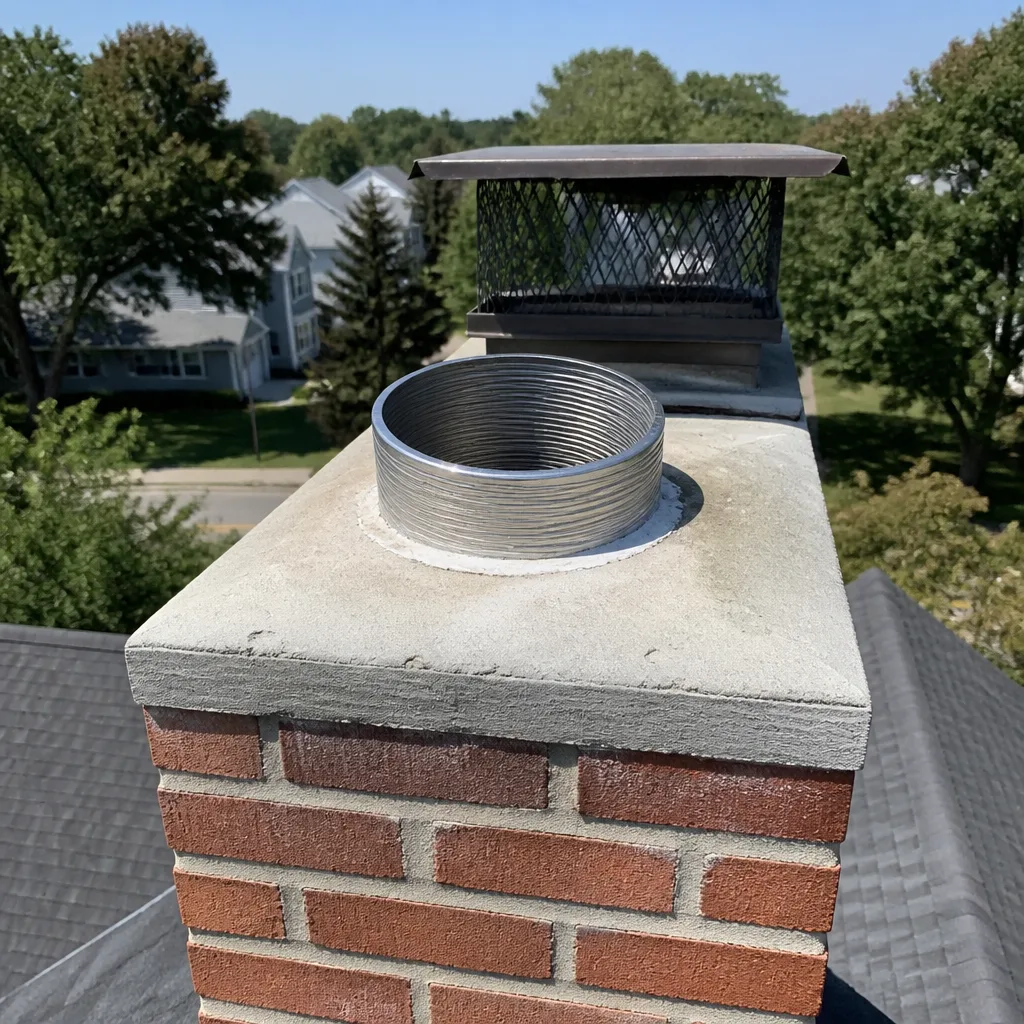
An inspection without repair capability is just a report. We handle the whole system in one relationship: sweeping, inspection, cap and crown installation and repair, and liner work. That means when we find a cracked crown or a spalled brick face, we can quote the repair and schedule it without sending you to a second contractor. We carry HeatShield for flue resurfacing, which can restore a compromised flue without a full liner replacement, and DuraFlex flexible stainless liners for flue configurations that a straight rigid liner can’t handle. Between those two systems, most flue problems have a repair path that doesn’t force a full rebuild. Olympia Chimney and Copperfield components are also in regular use for the fittings, caps and flue connections the job requires.
Our technicians have up to 11 years of experience, and they work with professional-grade materials every day, the same brands independent chimney professionals specify, not hardware-store substitutes.
Common Mistakes to Avoid
- Assuming a working draft means a healthy chimney. A flue with early creosote buildup and a well-seated damper can still draft perfectly. Draft is a functional test, not a condition test, and it won’t reveal a cracked crown or a spalling brick face.
- Painting over efflorescence instead of finding the water pathway. The stain will return, and every season it spends hidden is another season the water keeps working into the masonry.
- Skipping the sweep because you “only burn a few times a month.” In Tacoma’s mild-weather burning pattern, that’s exactly the situation that produces wet-flue condensation and accelerated creosote.
- Treating a stuck-open damper as a minor nuisance. It’s a year-round moisture pathway and a heat loss path. It’s a repair, not a quirk.
- Trusting a brush-only sweep for a thorough inspection. Brush-only service cleans the flue. It often skips the cap, crown, flashing, damper and firebox-to-hearth seam, which is where the warning signs actually originate.
- Using a generic or field-fabricated chimney cap. Caps that aren’t purpose-built don’t seat correctly, and they don’t hold up to wind and rain the way branded components do. A cap is a primary defense against water intrusion.
- Waiting until winter to book a Tacoma sweep. The pre-season window is the right time. Booking after the first cold snap means a longer wait and possibly starting the season with a problem that should have been caught earlier.
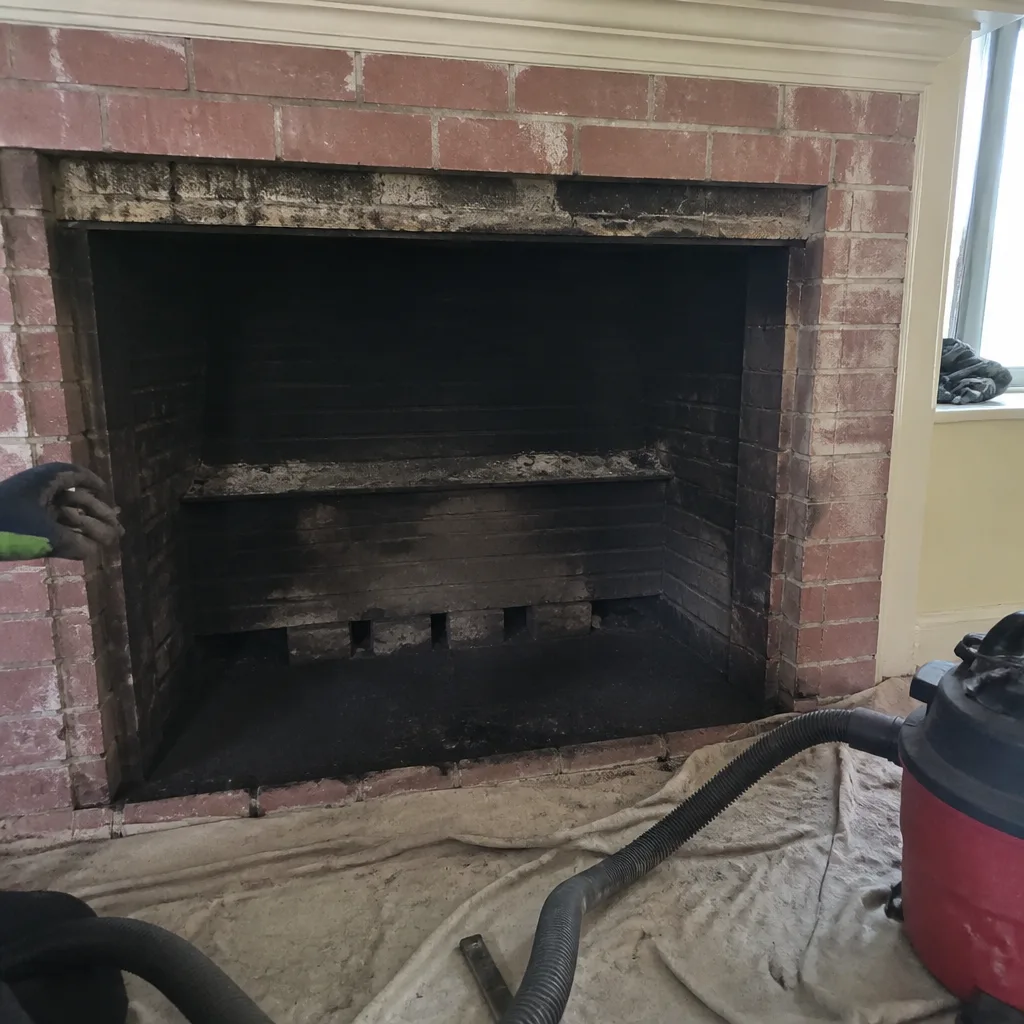
See the difference
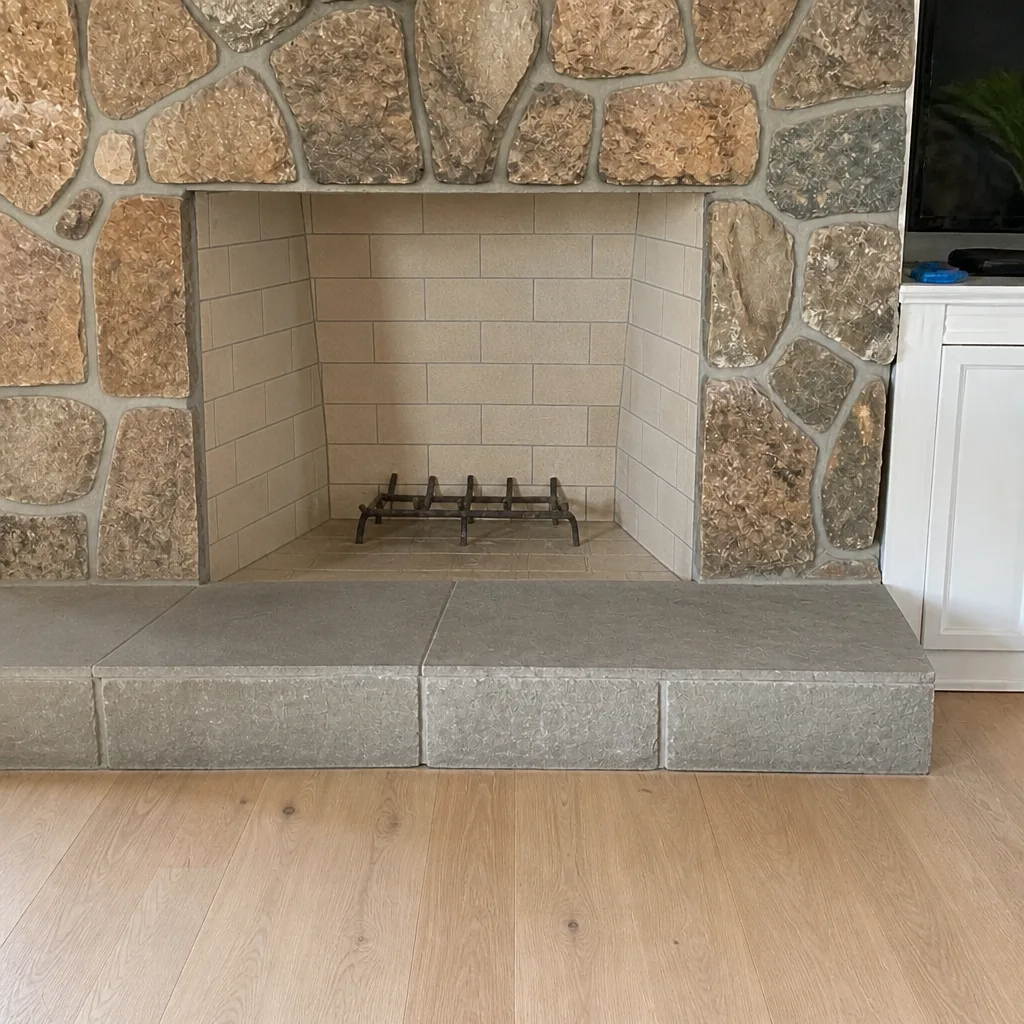
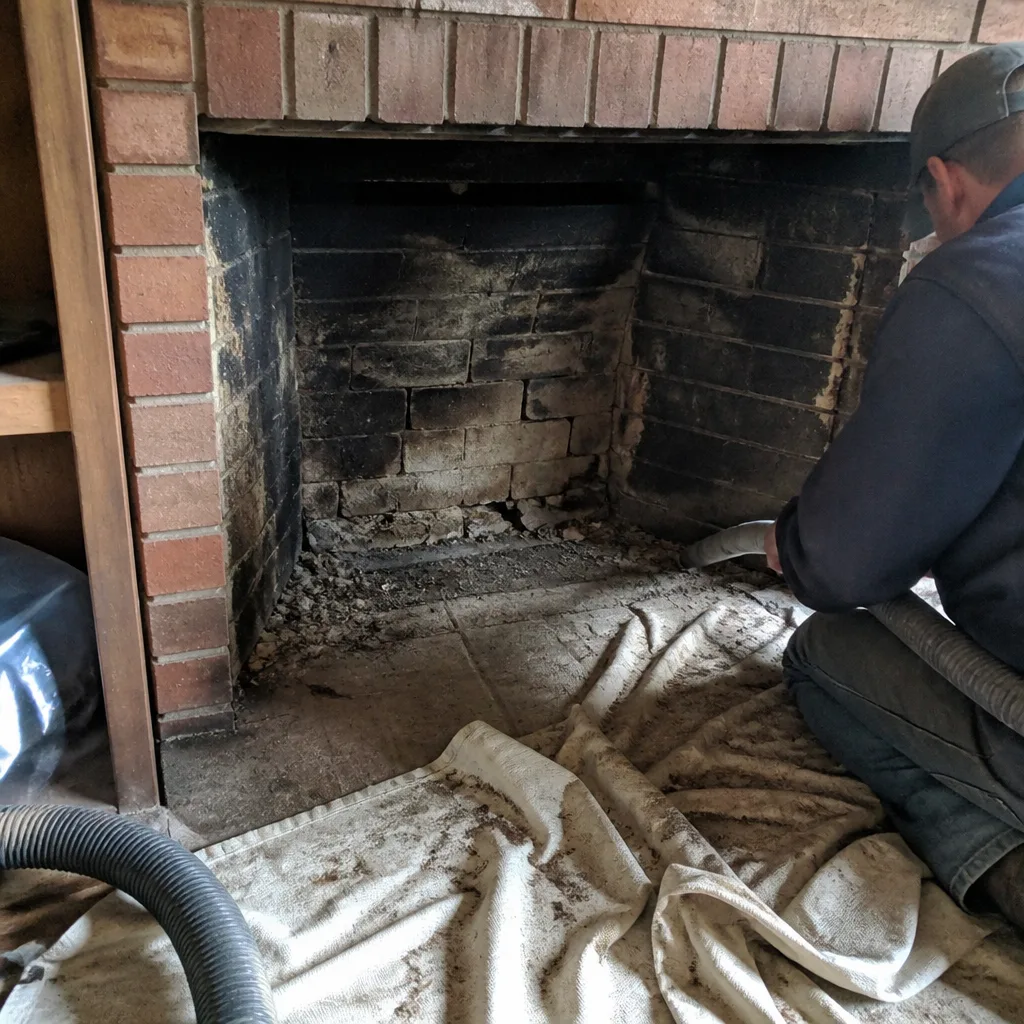 Before
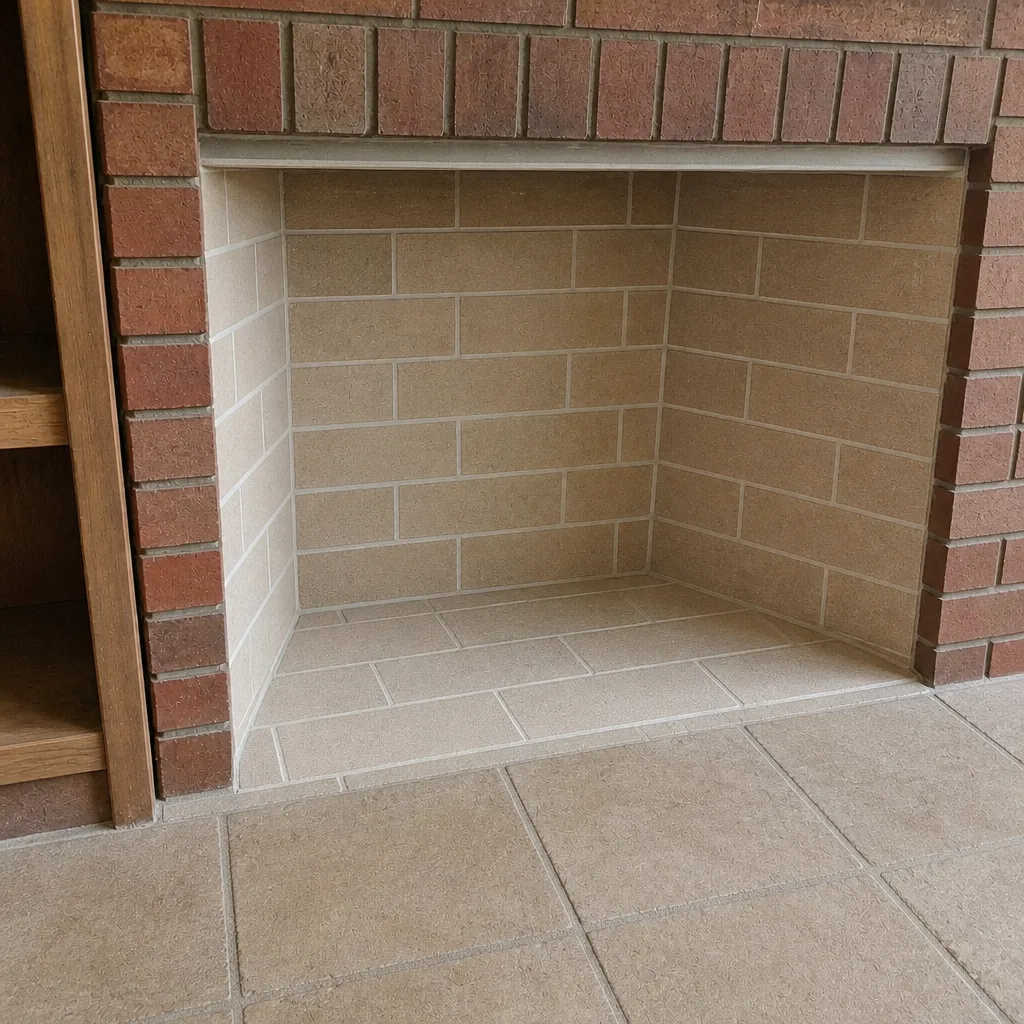 After
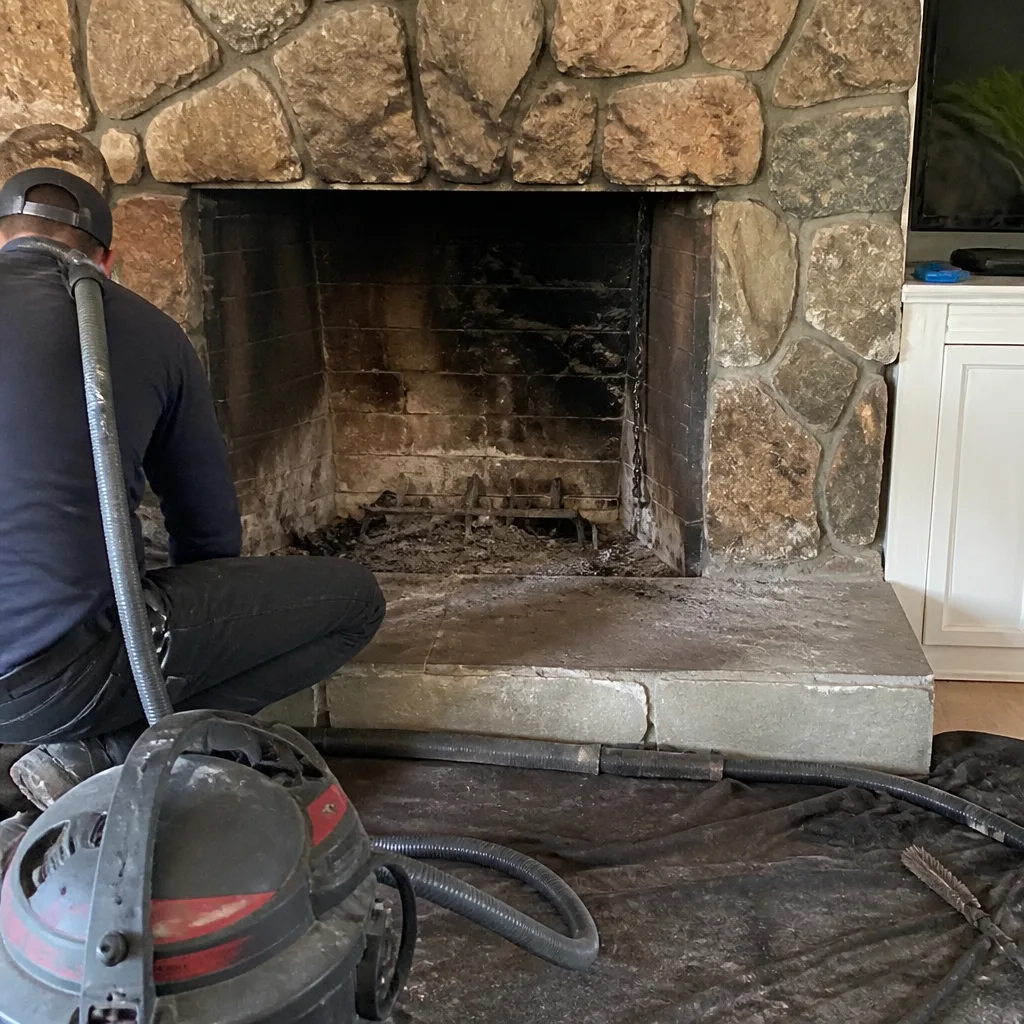 Before
 After
 Before
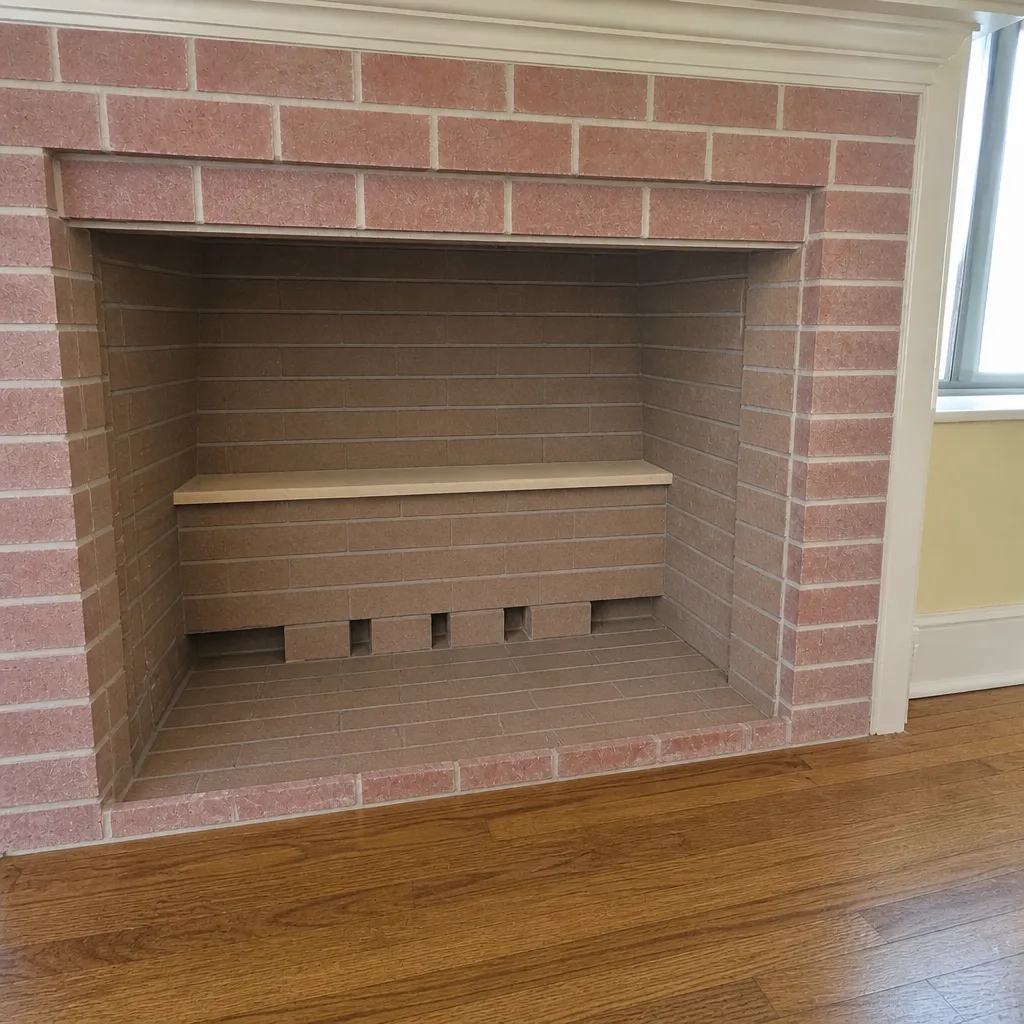 After
When to Call a Professional
Call a professional if you see any stop-using sign: smoke backdraft, a blocked flue, a stuck damper, glazed creosote, a rumbling sound from the chimney during a burn, or an active crack in the firebox core. Also call if you find efflorescence combined with spalling (both water and structural issues at the same time), a cracked or moss-covered crown, or a musty smell that returns after rain. And call if you can’t remember when the chimney was last swept, if you have a home inspection report flagging the chimney, or if you’re preparing to sell.
Chimney Sweep Tacoma Pros offers free estimates in Tacoma, and call (877) 820-8112. We answer 24/7, and we dispatch Sunday through Friday, 7am to 7pm. Photographs you’ve taken make the first conversation faster.
Frequently Asked Questions
The most common signs we see in Tacoma homes are efflorescence staining on the firebox walls, moss on the chimney crown, porous or spalling brick on the chimney exterior, a smoky smell returning when the fireplace is off, and smoke backdraft from a partially restricted flue. The pre-season sweep is the right appointment to catch all five. Call (877) 820-8112 for an exact quote, and the estimate is free.
It means water is moving through the masonry and leaving dissolved salts on the surface as it evaporates. The white stain is a marker for an open water pathway, not a surface blemish. The fix is to find the entry point (usually the crown, cap or flashing) and close it. An inspection should confirm the pathway before any repair is scheduled.
Yes. Creosote smells sharp, smoky and tar-like and gets worse on humid days or after a fire has died down. Mold smells musty and earthy and often returns stronger after a rain. Creosote points to a sweep and a moisture inspection. Mold points to a water source that must be found first.
Most chimneys should be swept and inspected once a year, and more often if you burn frequently or notice any of the warning signs above. The mild-weather burns and slow, cool fires that are common in western Washington accelerate creosote accumulation, which is why annual service matters even for occasional burners. Call (877) 820-8112 to book a sweep, or request an exact quote free.
Creosote keeps accumulating, and moisture keeps working into the masonry through whatever pathway is open. The result is a more combustible flue and a chimney with structural deterioration that costs more to fix than the original problem. A chimney fire and carbon monoxide risk both rise as the flue degrades. Skip the sweep and you’re guessing about the condition of a system that burns every time you light a fire.
Often enough to give a preliminary assessment and book the right appointment. Straight-on firebox photos, a clear shot of the crown, and all four sides of the chimney give a technician at least a working picture. It’s not a substitute for an on-site inspection, but it helps you schedule the correct service and understand what’s likely before the visit. Call (877) 820-8112 and send what you’ve photographed.
The Bottom Line
Almost every chimney problem starts with a sign you can see from inside the house. White mineral stains, spalling brick, a damaged damper, glazed creosote, and a sharp smell returning when the fire is off are all readable evidence that something in the system needs attention. In Tacoma, add moss on the crown, freeze-thaw spalling on the chimney’s weather-facing sides, and condensation inside the firebox from mild-weather burns. Know which signs mean stop using the fireplace today, and which mean book a sweep soon. Photograph what you see, and document it. The cost of a sweep and inspection is small next to the cost of structural repair. Our technicians have up to 11 years of experience, and we work with DuraFlex, HeatShield, Gelco, Famco and Olympia Chimney products because those are the materials the trade trusts.
To schedule a chimney sweep, fireplace repair, or chimney cap & crown work in Tacoma, call (877) 820-8112 for a free estimate. We answer 24/7, and we dispatch Sunday through Friday, 7am to 7pm.
Written by the team at Chimney Sweep Tacoma Pros.