
Last updated November 25, 2026
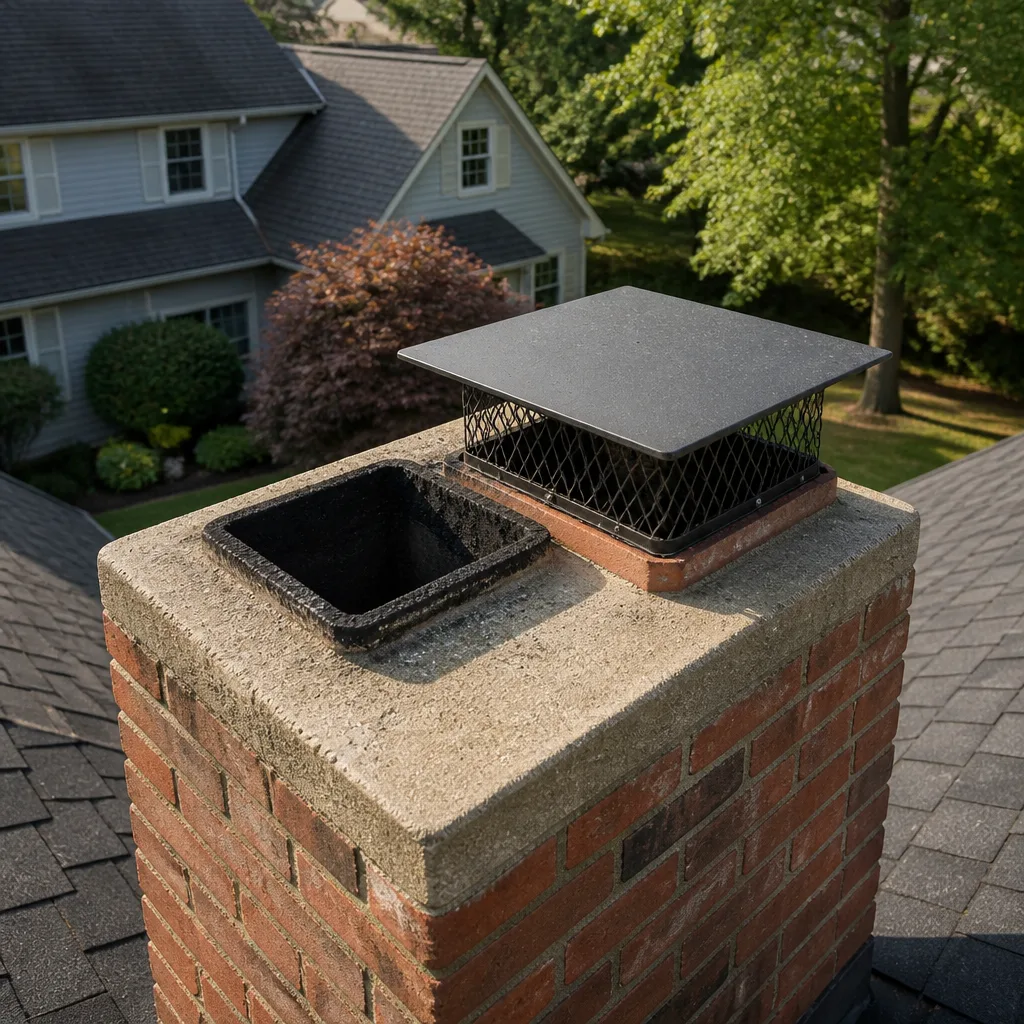 Sweep & inspection
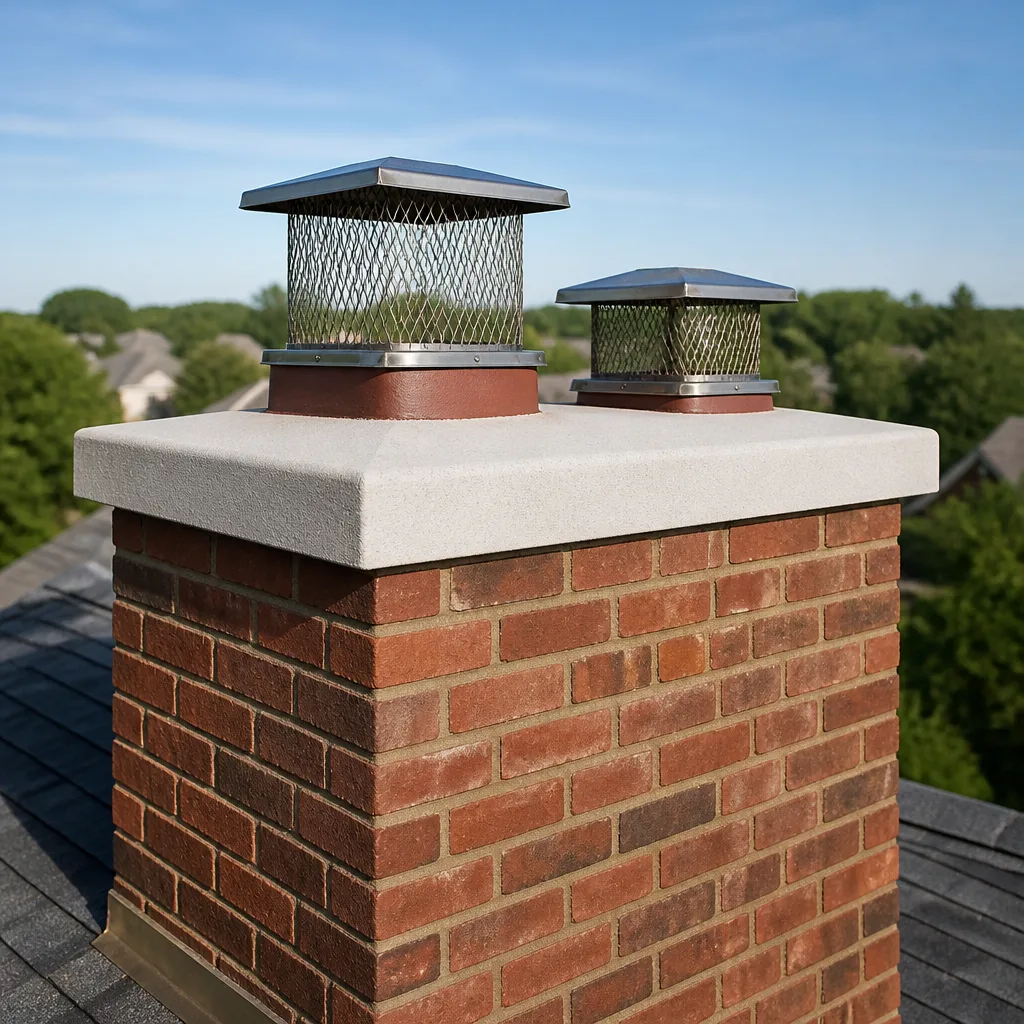 Caps & crowns
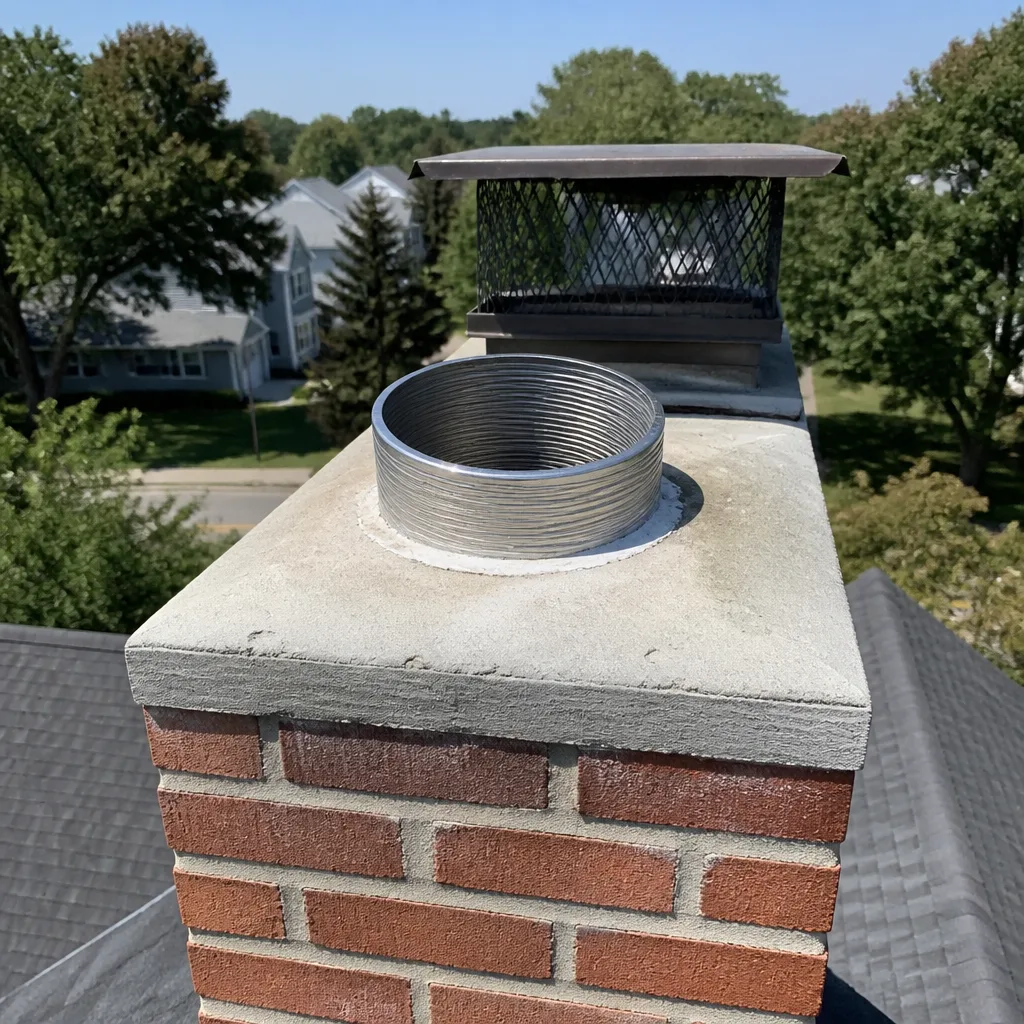 Flue relining
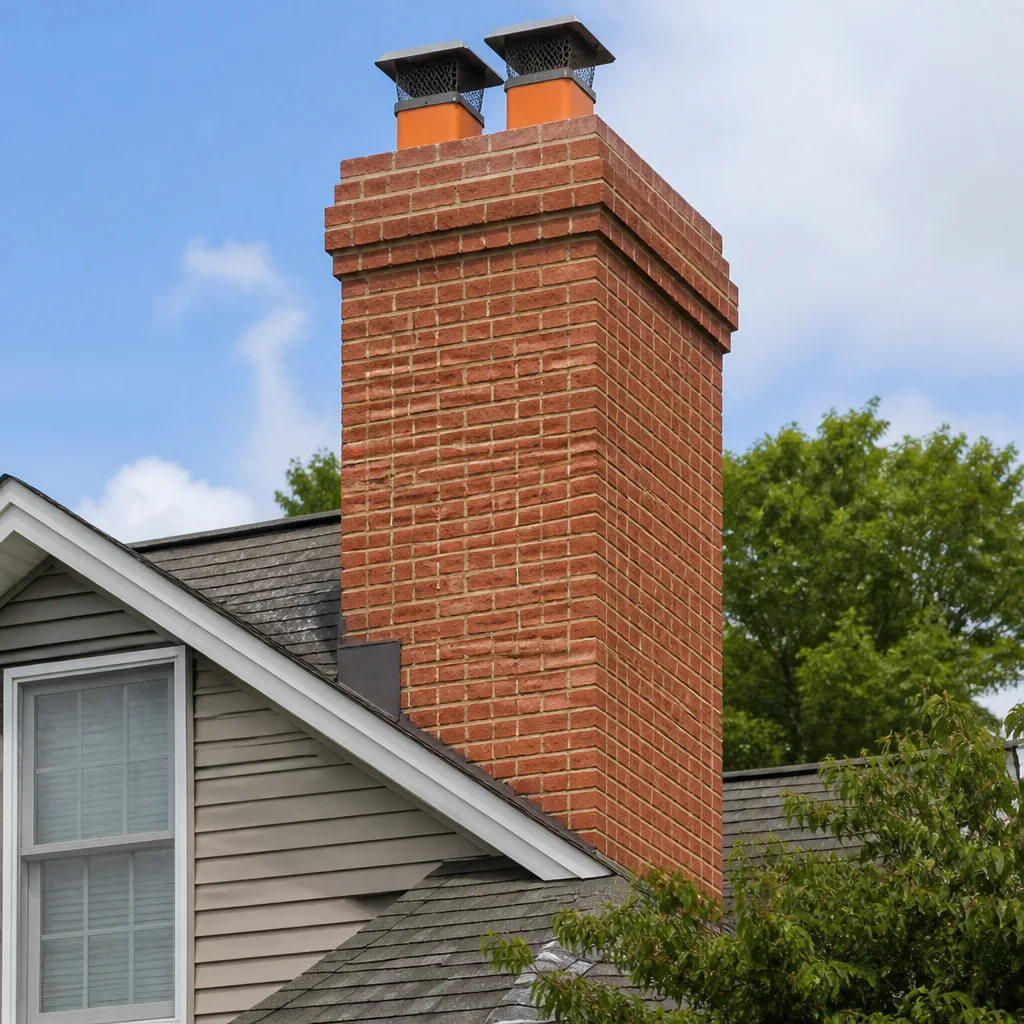 Masonry repair
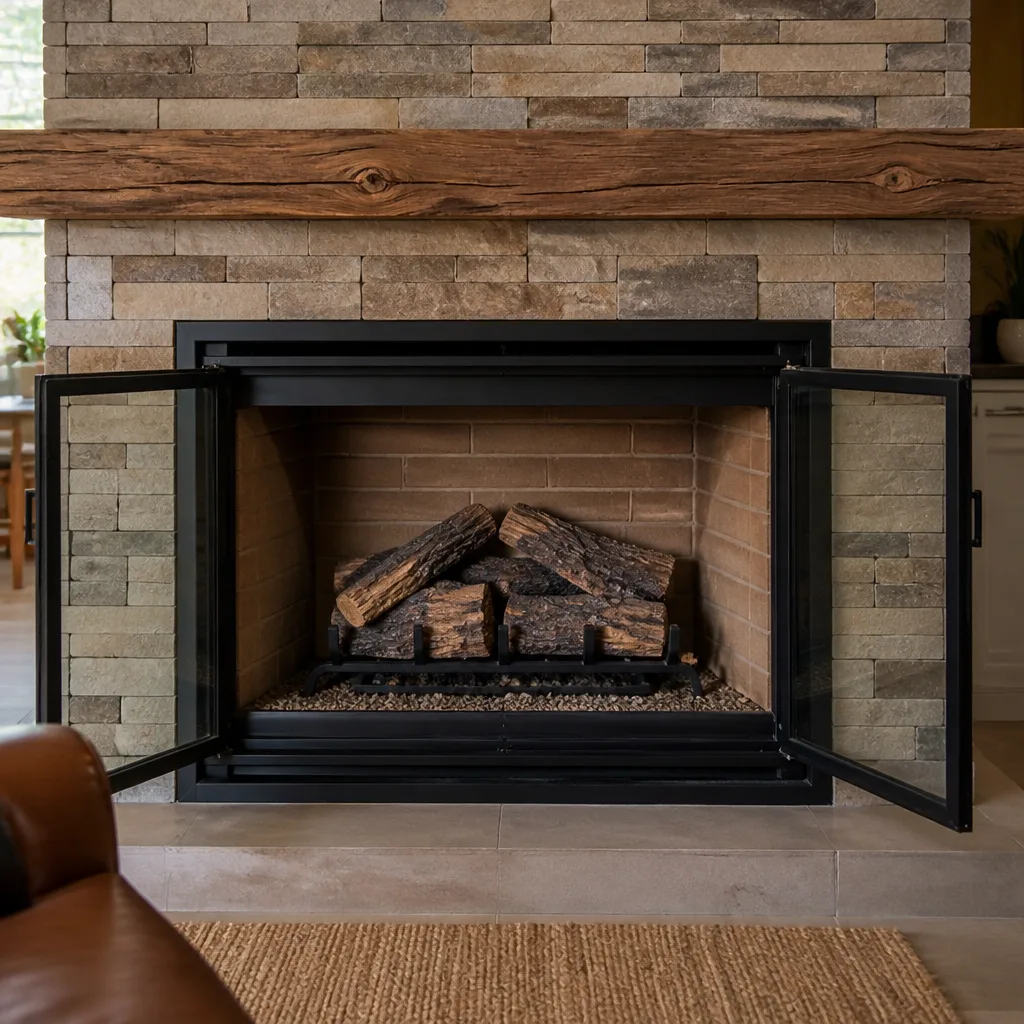 Gas fireplace service
Level 1 sweep and inspection to the NFPA 211 annual standard - flue, crown, cap, and flashing checked and photographed
Chimney sweep logs do not sweep chimneys. They loosen some creosote - which then falls where a brush and vacuum still have to collect it.
Choosing the Right Chimney Cleaning Brand: A Buyer’s Guide for Tacoma
Most homeowners in Tacoma pick a chimney company the way they pick a plumber: whoever answers the phone and shows up on time. That’s a mistake, and an expensive one. The name on the van tells you almost nothing about the work. What decides whether your chimney is safe, whether the repair lasts, and whether your insurer accepts it is the material the contractor puts inside your flue – the liner system, the resurfacing compound, the cap and crown components. A crew with polished marketing and a generic flex liner can leave you with a job that fails inspection. This guide explains how to tell the difference, what to ask, and what a real quote should specify.
Quick Answer
The right chimney cleaning brand in Tacoma is the one whose written quote names the liner and repair materials it will install, not just the services it offers. Look for professional-grade systems like HeatShield, Olympia Chimney, or DuraFlex, and treat a vague “we’ll reline it” as a red flag. A company that can explain why each material suits your flue is a company that can stand behind the work.
Styles & brands we work with
- Sweep & inspection
- Caps & crowns
- Flue relining
- Masonry repair
- Gas fireplace service
Table of Contents
- Franchise brands vs. independent specialists
- Why the liner material matters more than the company name
- How to read the material spec in a written quote
- What professional-grade means for Tacoma’s climate
- Liner flexibility and seismic movement in the Pacific Northwest
- The warranty question you should ask before booking
- Why inspection and repair should come from the same company
- Your chimney as a system: cap, crown, liner, firebox, flue
Franchise brands vs. independent specialists in Tacoma
A national franchise brand is a marketing system. It buys ad space, trains franchisees to a script, and sells territories. That doesn’t make the work bad – some franchise operators are excellent – but it means the brand name on the sign is no proof of what happens in your chimney. The franchise name is a promise of consistency, not a guarantee of material quality. The independent specialist two miles away might install a better liner and charge less.
Here’s what actually differs between the two models:
- Franchise: standardized pricing, scripted diagnostics, a national call center, and often a required supplier list set by the corporate office. Flexibility on materials is limited.
- Independent specialist: direct access to a wider brand portfolio – HeatShield, Olympia Chimney, DuraFlex – and the freedom to match the material to the flue rather than the corporate catalog.
- Franchise: quality depends entirely on the individual franchisee, which you can’t assess from the brand alone.
- Independent: accountability sits with the person doing the work, so the inspection and the repair usually come from the same hand.
In Tacoma, where the housing stock spans pre-war bungalows in the North End, mid-century homes in the South End, and newer construction out toward the Narrows, the “one liner for every job” approach a franchise often defaults to doesn’t fit. Older masonry flues in Tacoma need different treatment than a modern factory-built fireplace. A specialist who can walk into a 1920s brick chimney in the Proctor district and a 1990s insert out in Fircrest and specify the right system for each is worth more than a national logo. Our Chimney Sweep Tacoma Pros approach is built on that flexibility: one company, the full range of materials, no hand-off to a second contractor mid-job.
Why the liner material matters more than the company name
When a contractor says “we’ll reline your chimney,” the single most important follow-up question is “with what?” A chimney liner is the barrier between combustion gases and the structure of your house. It carries carbon monoxide and creosote-laden smoke up and out. The material it’s made from determines how it handles heat, moisture, and chemical exposure, and how long it lasts before it needs to be replaced.
Here’s how the materials stack up:
- HeatShield: a resurfacing compound engineered specifically for chimney flues. It repairs cracks and spalling in an existing clay liner by casting a new, smooth, heat-resistant surface in place. This is the key distinction: HeatShield restores a compromised flue without a full liner replacement, and a contractor certified to apply it can often save a homeowner the cost of a complete reline. That’s why it’s in our portfolio.
- Olympia Chimney: a manufacturer of professional-grade venting and liner systems, the kind of product specified by contractors who work on complex flue configurations rather than straight-run simple jobs.
- DuraFlex: flexible stainless-steel liner systems built for flues that have offsets, bends, or damage that a rigid liner can’t navigate. In Tacoma’s older homes, flexible liners are often the only way to reline a chimney without tearing into the masonry.
- Retail big-box flex liner: the thin, unlisted, or uncertified product sold at hardware stores. Cheaper up front. Shorter service life. Often not accepted by insurers, and frequently not rated for the temperatures a wood-burning flue actually sees.
The trade uses the professional brands because they’re tested, listed, and specified by engineers. Retail alternatives exist to hit a price point, not a safety standard. When a contractor’s quote names HeatShield or DuraFlex, that tells you they’ve chosen to work with materials other professionals trust. When it says “stainless liner, brand varies,” you’ve learned something about their approach. If you want to see what that looks like in practice for a standard cleaning, our chimney sweep service page lays out the process.
How to read the material spec in a written quote
A written quote is a diagnostic. The words in it reveal how the contractor thinks. Here’s how to read one, step by step:
- Find the liner or repair line item. Does it say “stainless steel liner” or does it name a manufacturer and system? Vague means the contractor is either buying the cheapest available at the time or doesn’t want to be pinned down.
- Look for the UL listing or certification language. Professional liners are listed for a specific application. An unlisted liner is a liability question, not a savings.
- Check whether the quote specifies the liner’s construction. Single-wall vs. double-wall, insulated vs. uninsulated, and the wall thickness all affect performance. A quote that doesn’t mention them was written by someone who doesn’t think about them.
- Ask what happens if the flue isn’t straight. If the answer is “we’ll figure it out,” they haven’t assessed your chimney. Flexible DuraFlex liners exist precisely because real chimneys have bends.
- Ask which resurfacing method they use for a cracked clay liner. The right answer is HeatShield or an equivalent tested resurfacing product. The wrong answer is “we’ll just replace the whole liner” without exploring whether resurfacing would work.
- Ask for the material warranty in writing. This is the big one, covered below.
A contractor who can walk you through those six points without hesitating has done the thinking. A contractor who answers in generalities is guessing. In Tacoma, where the aging housing stock means many flues are original clay tile from decades past, the resurfacing-versus-replace decision matters a lot, and a quote that doesn’t distinguish between the two was written for a simpler house than yours.
What professional-grade means for Tacoma’s climate
Tacoma’s climate is wet. Not bitterly cold the way the mountain towns east of the Cascades are, but reliably damp for much of the year, with a long shoulder season of rain and humidity. That has real consequences for a chimney. Moisture is the enemy of masonry and metal alike. It drives spalling in brick, rust in the wrong grade of steel, and freeze-thaw damage in the cracks of an old crown. Professional-grade materials are chosen partly for how they tolerate moisture over time.
What that means in practice:
- Corrosion resistance: the stainless grade in a professional liner matters. Lower-grade steel in a wet climate can rust through at the seams. DuraFlex and Olympia Chimney systems are built to a grade the trade trusts for exactly this reason.
- Moisture tolerance in the flue: a resurfaced clay flue with HeatShield is smoother and less porous, which means less water absorbed into the liner wall and less stress on the masonry around it.
- Cap and crown protection: the leading cause of water intrusion damage is a cracked crown or a missing or undersized cap. In Tacoma, a good cap and a sound crown keep rain out of the flue, and purpose-built Gelco or Famco components are part of the system rather than a field-fabricated cover. Our chimney cap & crown service covers that side of the job.
This is why “professional-grade” isn’t a marketing word. It’s a statement about how a material handles the specific conditions in a specific place. A liner rated for a dry climate and installed in Tacoma’s damp will behave differently than one chosen for the weather here.
Liner flexibility and seismic movement in the Pacific Northwest
Western Washington sits in a seismically active region. We’re reminded of it every time a small quake rolls through. For chimney work, that reality favors flexible liner systems over rigid ones, and it favors flues that can move slightly without cracking.
A rigid liner is one long unyielding column. When the house shifts, that column has to resist or fail. A flexible liner, properly installed, can absorb small movements at the joints and bends. It also conforms to the existing flue’s shape, which means it doesn’t require the masonry to be perfectly straight to begin with. In a Tacoma bungalow where the original flue has settled over many decades, a flexible system is often the only realistic option short of major structural work.
There’s a second benefit: flexibility means fewer mortar joints and less risk of hidden cracks at offsets. Cracks are where carbon monoxide escapes into the house. A liner system that handles the geometry of an older chimney without forcing it is a safer liner system. That’s the reasoning behind our use of DuraFlex for complex flue configurations rather than a rigid one-size approach. It’s also why our inspections include a camera pass: you should see the condition of the flue before anyone specifies a material for it.
The warranty question you should ask before booking
The wrong question is “which company has the best reviews?” Reviews tell you whether people were satisfied, but they don’t tell you what was installed or how long it will last. The right question is “what system are you installing, and what’s the warranty on the materials?”
A material warranty is the manufacturer standing behind the product. A workmanship warranty is the contractor standing behind the installation. You want both, and you want them in writing. Here’s how to frame the conversation:
- Ask what specific brand and model of liner or resurfacing product will go into your flue, and have them write it down.
- Ask for the manufacturer’s warranty on that product, and confirm it’s transferable or documented.
- Ask what the contractor’s own labor warranty covers, and for how long.
- Ask what voids the warranty – usually improper cleaning, burning the wrong fuel, or a damaged cap.
If a quote is silent on materials and warranty, that silence is the answer. We don’t claim warranties we haven’t confirmed, and neither should anyone doing work in your home. What you can reasonably expect from a professional is that they name the materials, explain why they chose them, and put the installation details in writing before you sign. Anything short of that is a warning sign in Tacoma or anywhere else.
Why inspection and repair should come from the same company
An inspection without repair capability is a report. It tells you what’s wrong and hands you a piece of paper. Then you’re on your own to find someone to fix it, brief that person on what was found, and hope the diagnosis was accurate. That hand-off is where things get expensive, and where a homeowner can be talked into work that wasn’t necessary.
Single-source accountability fixes that. When one company inspects and repairs, the person who diagnoses is the person who does the work. You get continuity, a single standard of care, and someone who is on the hook if the fix doesn’t hold. We do both, and we bring the camera with us so you can see what we see. That’s the principle behind fireplace repair as well as liner work: diagnose, then fix, without passing you to a third party.
The other advantage is timing. When an inspection turns up a problem – a cracked crown, a gap at the cap, a flue that needs resurfacing – a single company can often schedule the repair without a separate second visit to re-inspect. That saves you a round trip and a second assessment fee. It also means nothing gets lost in translation between the person who found the issue and the person who’s supposed to fix it.
Your chimney as a system: cap, crown, liner, firebox, flue
People talk about chimney repair as if it were one thing. It isn’t. A chimney is a system of parts, and each one affects the others. A cracked crown lets water into the masonry, which damages the flue, which stresses the firebox, which is why the repair you thought you needed on one part often starts with a different part entirely.
The system, from top to bottom:
- Cap: the hood over the flue that keeps rain, birds, and debris out. A missing or undersized cap is one of the most common and most preventable causes of water damage. We install purpose-built caps rather than field-fabricated covers.
- Crown: the concrete or mortar top of the chimney that sheds water away from the structure. A cracked crown is a leak waiting to happen. Gelco and Famco components are used here where the job calls for them.
- Flue liner: the inner wall that contains combustion gases. This is where HeatShield resurfacing or DuraFlex relining comes in.
- Firebox: the fire chamber itself, prone to cracking in older masonry fireplaces.
- Flue and smoke chamber: the passage that carries smoke up and out, and the transition zone where turbulence causes problems if it’s improperly shaped.
When you ask a contractor to repair one part, a good one will check the whole system. That’s not upselling; it’s how you avoid a repair that fails because the real problem was three feet above it. A cap installed over a cracked crown still lets water in. A new liner behind a damaged firebox still leaks smoke. The system has to be sound top to bottom, which is why we handle cleaning, inspection, cap and crown, fireplace repair, and structural chimney repair under one roof.
Common Mistakes to Avoid
- Choosing on price alone. The lowest quote usually means a retail-grade or unlisted liner. That’s not a saving; it’s a future reline, and your insurer may not accept it in the meantime.
- Accepting a quote that doesn’t name the material. “Stainless liner, brand varies” tells you nothing. Insist on a manufacturer and a system name before you commit.
- Hiring a sweep-only outfit for a repair. If they can’t specify and install HeatShield or a DuraFlex liner, they’ll refer you elsewhere and the accountability disappears. Tacoma’s older housing stock needs repair capability, not just a brush.
- Skipping the download at the cap and crown. Water damage starts at the top. A missing cap or cracked crown is the leading cause of the masonry failures we see, and it’s cheap to fix compared to a liner.
- Not asking about the seismic angle. In western Washington, a rigid liner in an old flue is a liability. Ask whether the system flexes, and why that matters for your chimney’s geometry.
- Leaving the warranty to a verbal promise. Get the material warranty and the labor warranty in writing. A quote that can’t produce them wasn’t written by someone who trusts the product.
See the difference
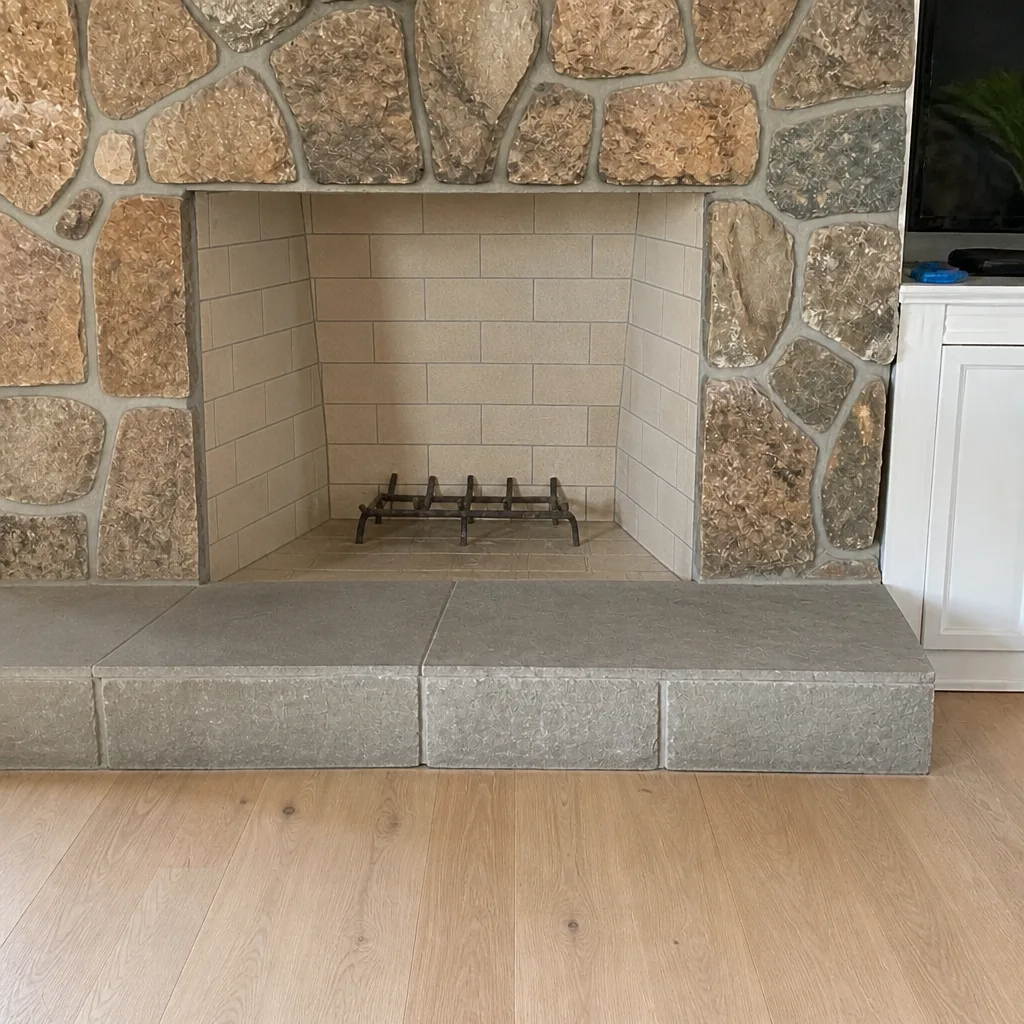
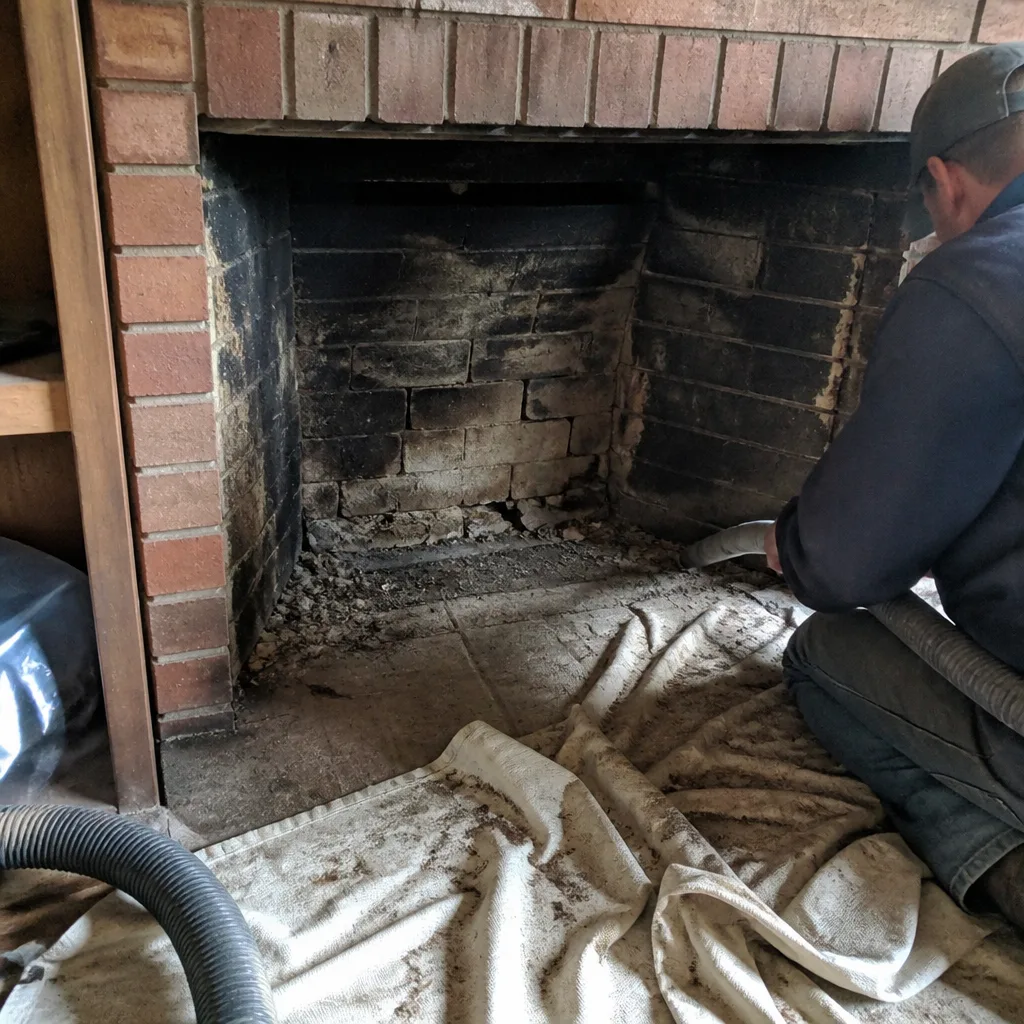 Before
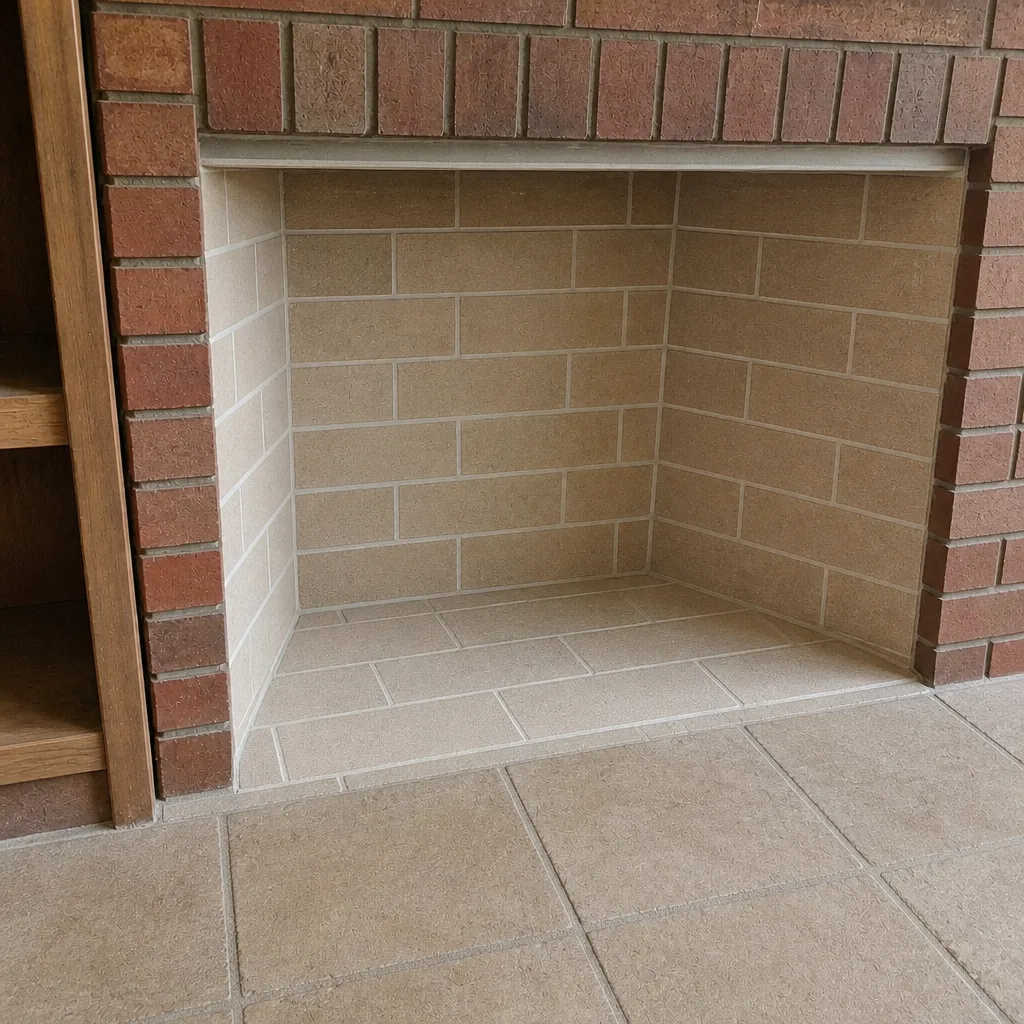 After
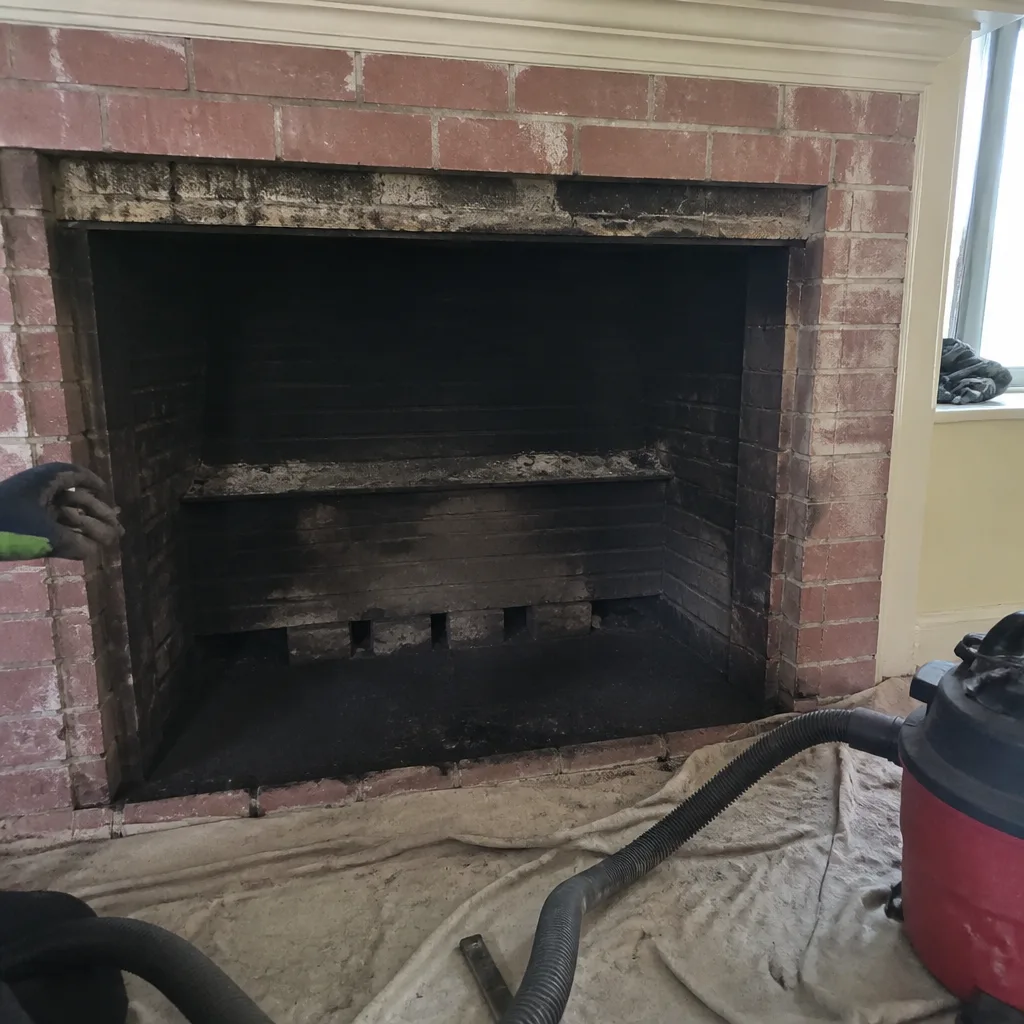
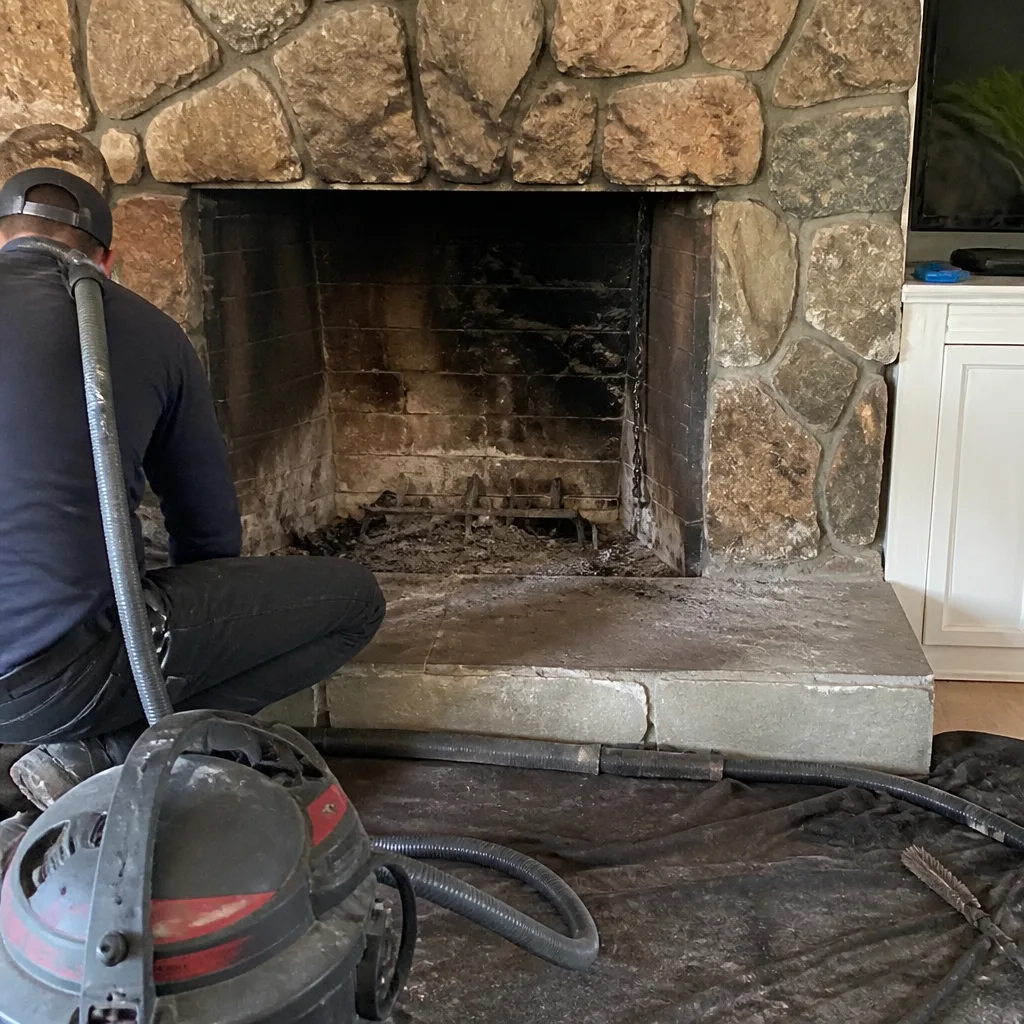 Before
 After
 Before
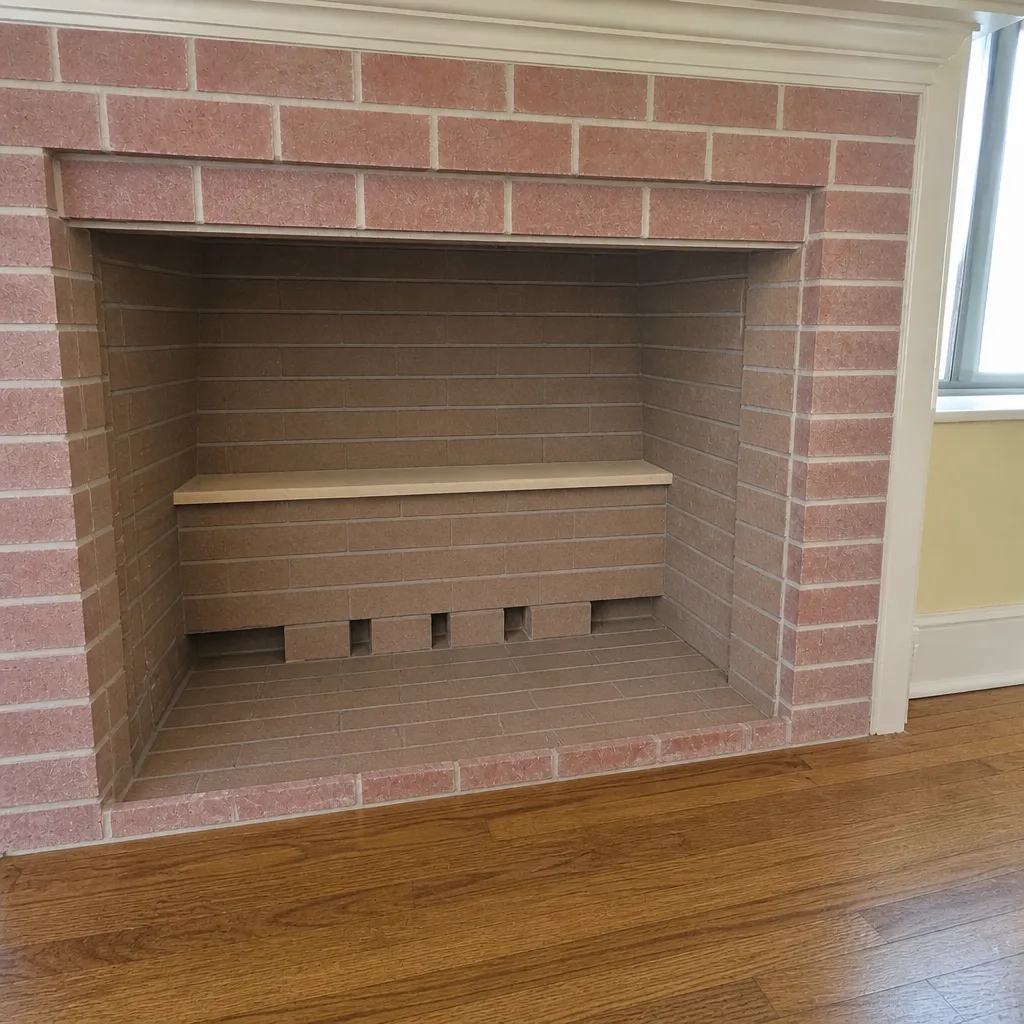 After
When to Call a Professional
Some chimney work is a cleaning and an inspection. Some of it is not. Call a professional if you’re seeing creosote buildup that’s more than a thin glaze, if there’s a smell of smoke in the house when the fire is lit, if the cap or crown is cracked or missing, if the firebox shows cracks or crumbling mortar, or if a home inspector flagged the chimney during a sale. Also call if you’ve never had the chimney inspected and you burn wood regularly; carbon monoxide is invisible, and a cracked flue is the kind of problem a camera finds and a nose doesn’t. Don’t open up a masonry flue or get on the roof to investigate yourself. Our technicians have up to 11 years of experience, and we bring the camera so you can see the flue for yourself. Chimney Sweep Tacoma Pros offers free estimates in Tacoma – call (877) 820-8112. We answer 24/7. Fast dispatch from 7am to 7pm, Sunday through Friday.
Frequently Asked Questions
The best company is the one whose quote names the liner and repair materials it will install and can explain why it chose them. Look for professional-grade systems like HeatShield, Olympia Chimney, and DuraFlex, a written warranty on both materials and labor, and the ability to repair what the inspection finds. A company that can do all three in Tacoma is a better bet than a national franchise with a bigger ad budget. Call (877) 820-8112 for an exact quote – estimates are free.
It depends on the condition of the flue, which is why a camera inspection comes first. A cracked or spalling clay liner can often be restored with HeatShield resurfacing rather than fully replaced, which saves the cost of a complete reline. A flue that’s collapsed, severely damaged, or never had a liner will need a new system, typically a flexible DuraFlex stainless liner. The honest answer comes from seeing the flue, not from a phone estimate. Call (877) 820-8112 and we’ll show you what’s there.
Most wood-burning chimneys need sweeping once a year, and a gas fireplace should be inspected annually even though it produces less creosote. In Tacoma’s wet climate, moisture in the flue accelerates damage, so the annual inspection is as much about catching water intrusion early as it is about clearing soot. If you burn often or burn unseasoned wood, you may need more frequent service. Call (877) 820-8112 for an exact quote – estimates are free.
HeatShield is a resurfacing product, not a liner. It’s applied to the inside of an existing clay flue to seal cracks and create a smooth, heat-resistant surface, which can restore a compromised flue without a full liner replacement. A regular liner – like a DuraFlex stainless system – is a new pipe installed inside the flue. Both are professional-grade; they solve different problems. Which one your chimney needs depends on what the inspection finds.
Yes, in many cases. Insurers increasingly ask whether the liner is a listed, professionally installed product, and a retail big-box liner or a field-fabricated repair may not satisfy underwriting standards. The material named in your quote is part of what your insurer may want to see. Ask for the manufacturer and system name in writing, and keep the documentation. If you’re not sure, call us and we’ll walk through what your quote says.
Often, yes. An inspection structured for a home-sale disclosure tells the buyer and their lender what condition the chimney is in, and a single company that can both inspect and repair can resolve most flagged items without a second contractor. Schedule the inspection with enough lead time before closing. Call (877) 820-8112 – estimates are free, and we answer 24/7.
The Bottom Line
The brand question in chimney cleaning isn’t about the name on the truck. It’s about the material the contractor specifies: HeatShield for resurfacing, DuraFlex or Olympia Chimney for relining, Gelco and Famco for the cap and crown. Those materials are what determine whether the repair lasts, whether the chimney tolerates Tacoma’s wet climate, and whether your insurer accepts the work. Choose a company that names its materials in the quote, warrants them in writing, and can inspect and repair without a hand-off. That’s the whole test, and it’s one your chimney deserves.
If you’re ready to see what’s actually in your flue, call (877) 820-8112 for a free estimate. We answer 24/7. Fast dispatch from 7am to 7pm, Sunday through Friday. The written estimate sets the final price, and nothing gets recommended without camera evidence you can see for yourself.
Written by the team at Chimney Sweep Tacoma Pros.