
Last updated November 25, 2026
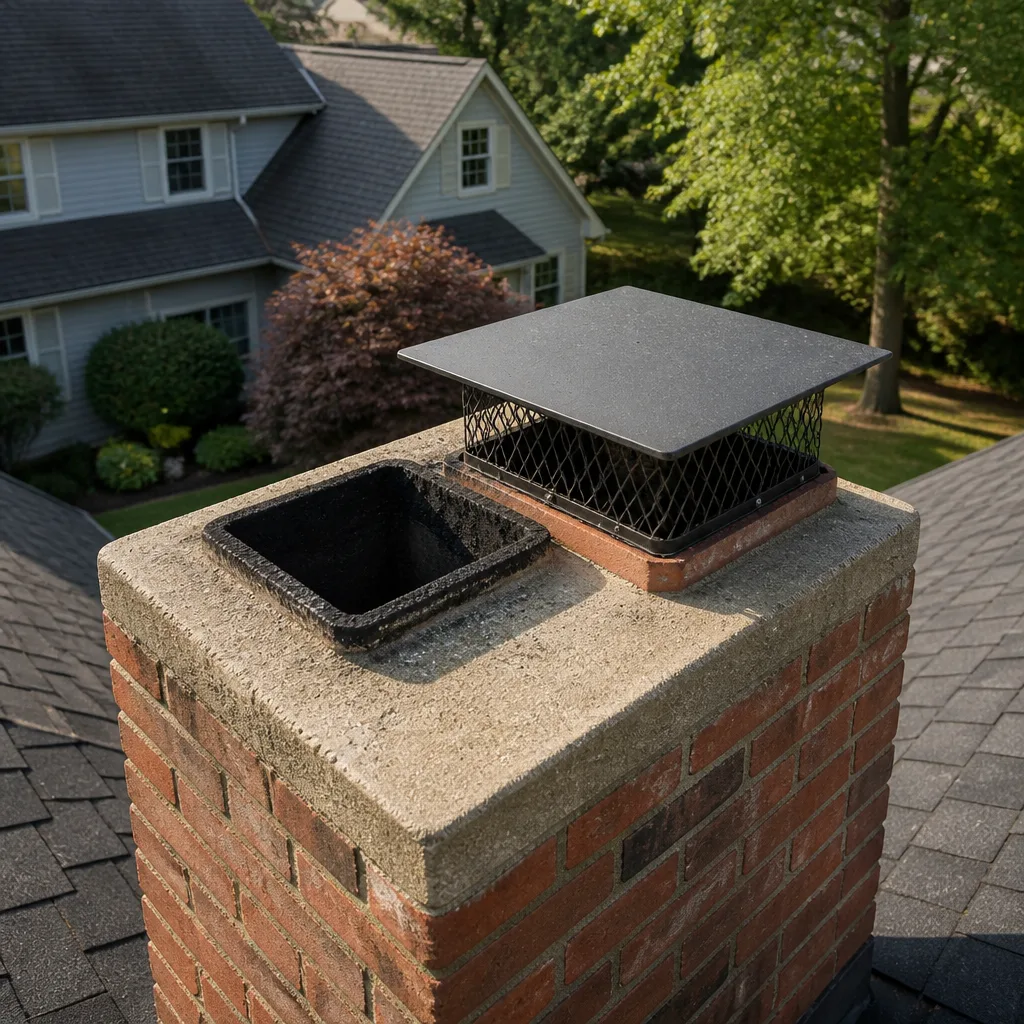 Sweep & inspection
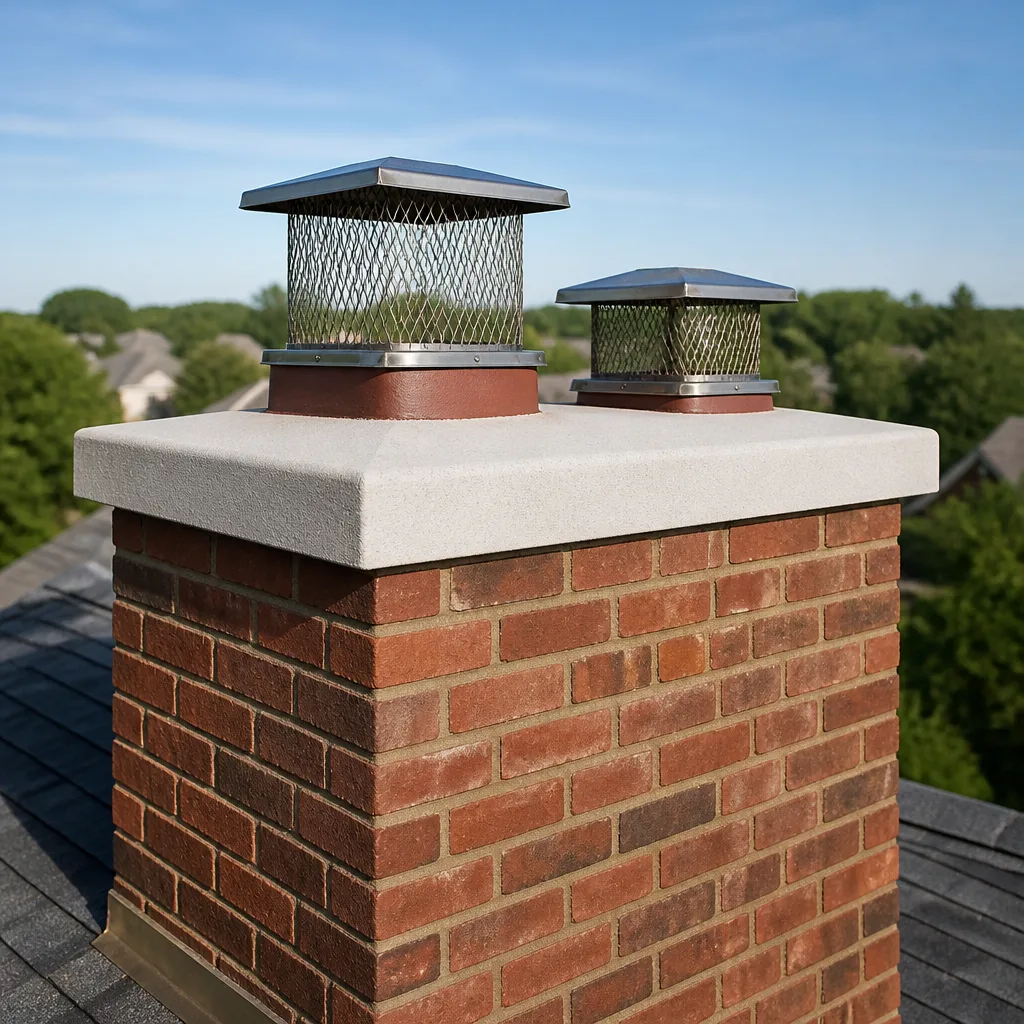 Caps & crowns
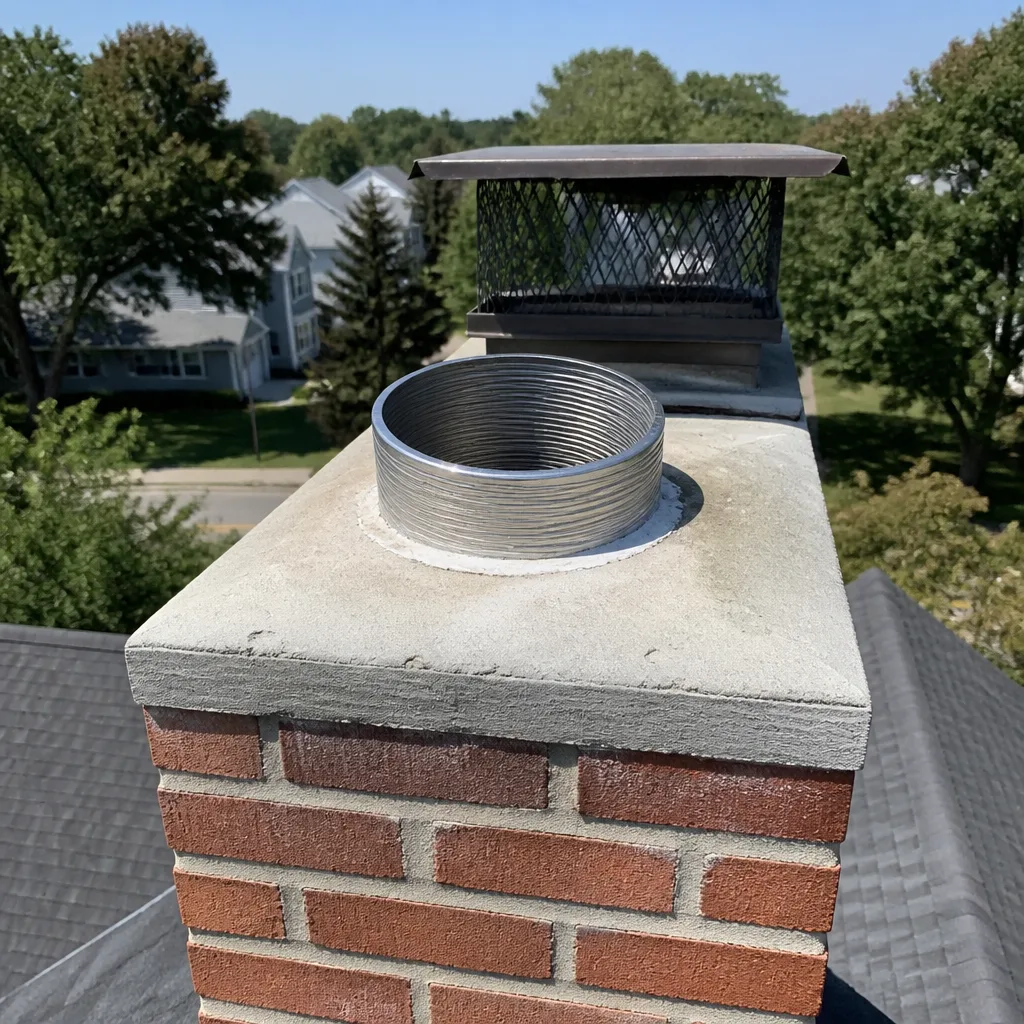 Flue relining
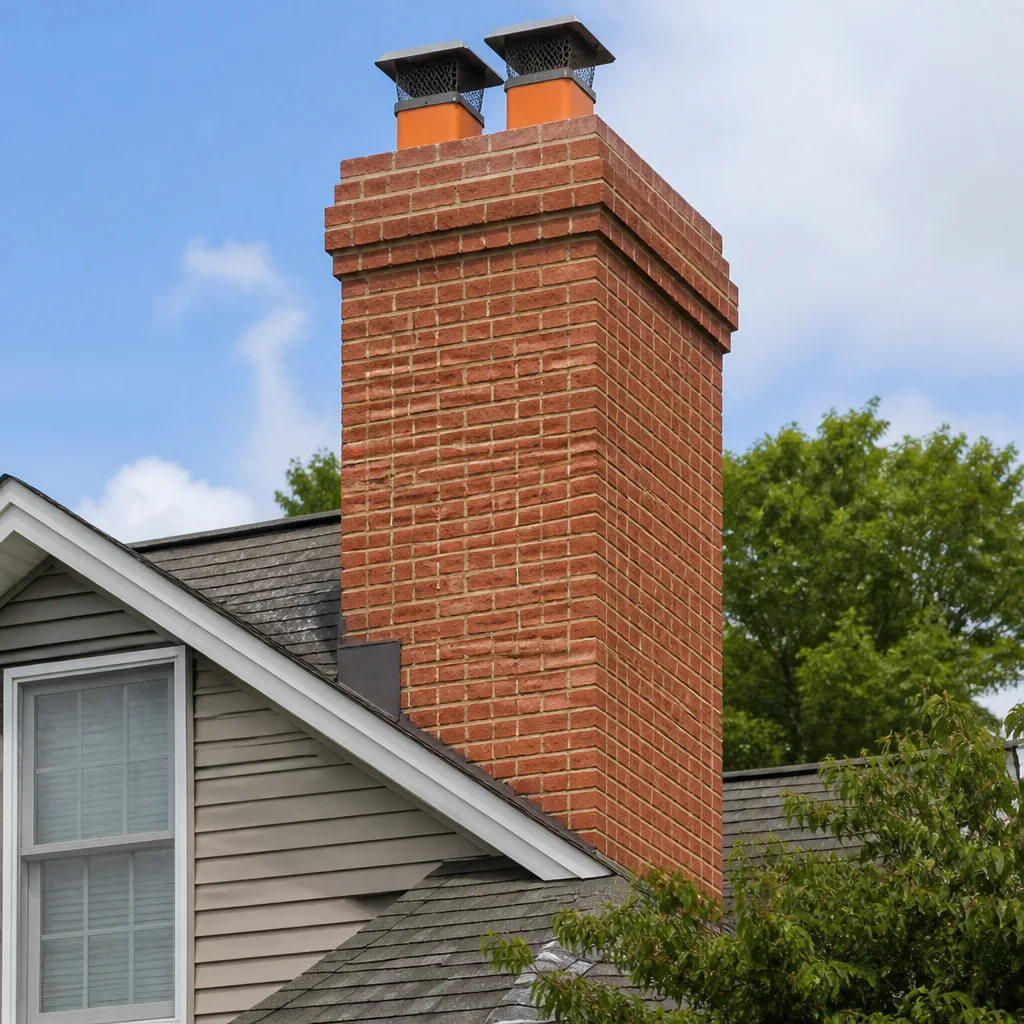 Masonry repair
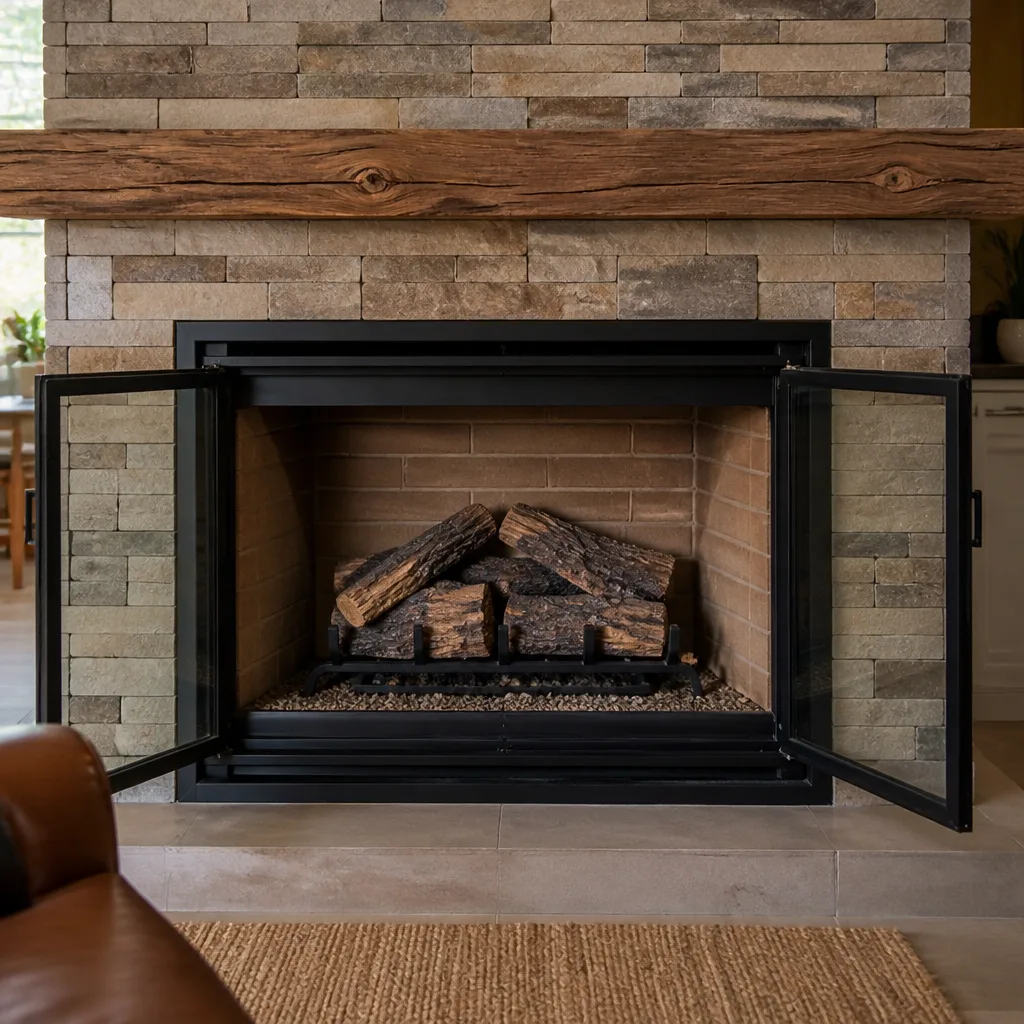 Gas fireplace service
Level 1 sweep and inspection to the NFPA 211 annual standard - flue, crown, cap, and flashing checked and photographed
Chimney sweep logs do not sweep chimneys. They loosen some creosote - which then falls where a brush and vacuum still have to collect it.
Seasonal Chimney Cleaning Care for Tacoma: Year-Round Homeowner’s Guide
National guides say to clean your chimney in spring, after heating season. In Tacoma, that advice leaves your liner sitting wet and uncapped through the driest months of the year, which is exactly when moisture damage sets in and moss colonizes the crown. Our wet-dry cycle here runs opposite to the rest of the country, and chimney care that ignores that fact costs homeowners real money in repairs. This guide lays out a month-by-month service calendar built around Tacoma’s actual precipitation patterns, explains why late summer is the highest-value cleaning window in the Puget Sound region, and covers what to check after the wet season ends. You’ll learn how to time exterior work to the weather windows that actually allow it, and how to manage a fireplace through Tacoma’s shoulder seasons when burns are infrequent and smoldering is common.
Quick Answer
The best time to sweep a chimney in Tacoma is late August through September, before burn season begins and after the wet season’s moisture has had a chance to dry out. Spring in Tacoma is for inspection, not cleaning: that’s when you check cap integrity, crown condition, and firebox efflorescence after months of rain. Exterior work like crown sealing and flashing repair belongs in the dry window from roughly July through early September, when Western Washington actually holds a stretch of clear weather long enough for sealants and mortar to cure.
Styles & brands we work with
- Sweep & inspection
- Caps & crowns
- Flue relining
- Masonry repair
- Gas fireplace service
Table of Contents
- Why Tacoma’s Chimney Calendar Runs Opposite to National Advice
- The Tacoma Month-by-Month Chimney Service Calendar
- Why Late Summer Is the Highest-Value Cleaning Window in Puget Sound
- What a Spring Inspection Should Focus On After Tacoma’s Wet Season
- Managing a Wood Fireplace Through Tacoma’s Shoulder Seasons
- Weather Windows That Make Exterior Chimney Work Viable
- Moisture, Moss, and the Crown: The Damage Path Most Homeowners Miss
- The Year-Round Tacoma Chimney Checklist
Why Tacoma’s Chimney Calendar Runs Opposite to National Advice
Most chimney care content is written for a climate with hard freezes and dry summers. Tacoma doesn’t have that climate. We get a long wet season that saturates masonry for months, followed by a dry stretch when the sun pulls that moisture back out. That cycle, not temperature, is what drives chimney deterioration here.
Think about what happens to a masonry chimney through a Tacoma year. From fall through spring, rain hits the crown, the cap, the flashing, and the brick itself. Water finds every crack and every failed mortar joint. Brick and mortar are porous, so they hold that water. Then summer arrives, the masonry dries, and any water trapped inside expands as it warms and tries to escape as vapor. That movement is what spalls brick faces and opens mortar joints wider. Repeat it for a few years and a chimney that looked fine starts shedding brick.
That’s why the national “clean in spring” advice misses the mark here. Spring cleaning in Tacoma means sweeping a flue that’s about to sit through a dry season with no fires burning. The creosote you remove in April would have sat there until fall anyway, and the real hazard window (burn season) is still months away. Meanwhile, the moisture problem that actually threatens the structure gets no attention at all.
What Tacoma homeowners need is a calendar weighted toward two things: catching moisture damage right after the wet season, and clearing the flue right before burn season. Everything else is secondary.
- Fall through spring: wet season. Moisture intrusion risk peaks. Fires burn regularly.
- Late spring: wet season ends. Time to inspect for what the rain did.
- Summer: dry season. Exterior repair and sealing window opens.
- Late summer: sweep before burn season. Best value window of the year.
The Tacoma Month-by-Month Chimney Service Calendar
Here’s how we’d map chimney care across a Tacoma year. This calendar assumes a wood-burning fireplace or insert used regularly through the cooler months, which describes a lot of homes in neighborhoods like North End, Proctor, and the older parts of Stadium District where original masonry chimneys are common.
- January through March – burn season, watch for warning signs. Fires are burning regularly. Pay attention to smoke backing into the room, a stronger-than-usual creosote smell, or a fire that’s harder to start. These can signal a partial blockage or a draft problem. Don’t sweep now unless you have a specific reason; you’d just be sweeping again before next season.
- April – post-wet-season inspection. This is the most important inspection of the year in Tacoma. Look at the cap, the crown, the flashing, and the firebox. This is when moisture damage from the wet season is most visible.
- May – schedule repairs found in April. Get on the calendar for crown sealing, cap replacement, or flashing repair before the dry window closes. Materials like Gelco crown mix and purpose-built caps need dry weather to install and cure.
- June – exterior repair window opens. If the crown needs rebuilding or the flashing needs redoing, this is when it happens. Western Washington gives you a usable stretch of dry weather here.
- July – finish exterior work and check the firebox. Any masonry repair, crown work, or cap installation should be wrapped up. Interior fireplace repair, like firebox brick or damper work, can happen now too.
- August – sweep window opens. Book the sweep now. Creosote from last season comes out, the flue gets inspected, and you find out about any liner issues with time to address them before October.
- September – final sweep push and last exterior touch-ups. If you didn’t sweep in August, do it now. This is the last comfortable window before the rains return and before you want to be burning.
- October through December – burn season begins. Fires start up again. Watch for the same warning signs as early in the year. If you skipped the fall sweep, get on the schedule.
The through-line: Tacoma’s year has two real service windows, spring for inspection and summer for exterior repair, plus one critical cleaning window in late summer. The rest of the year is for burning and watching.
Why Late Summer Is the Highest-Value Cleaning Window in Puget Sound
August and September are the best months to sweep a chimney in the Puget Sound region. The reason is simple: it’s the only window where the flue is dry, the burn season hasn’t started, and there’s still enough time to fix anything the inspection turns up before you need the fireplace.
Compare that to a spring sweep. In April, you sweep a flue that’s about to sit unused for five or six months. Any creosote you missed, or any new problem that develops over the summer, goes unaddressed until fall anyway. You get no protection through the burn season, which is when creosote actually matters.
Compare it to a fall sweep in October or November. By then the rains are back. If the inspection turns up a cracked crown or a failing cap, you’re doing exterior work in the wet season, when sealants won’t cure properly and mortar won’t set right. You either wait until next summer or pay for temporary measures.
A late-summer sweep solves both problems. The flue is dry from the summer, so any moisture-related issues are visible. The inspection happens with weeks of good weather left, so repairs can be scheduled and completed. And you go into burn season with a clean, inspected flue.
There’s a practical advantage too. Creosote that’s had a full summer to cure and harden is actually easier to assess than fresh creosote, and a sweep in August tells you exactly what condition your flue is really in. We use professional-grade materials from brands like Olympia Chimney and DuraFlex when a sweep turns up something that needs repair, so the fix happens with the right parts rather than a hardware-store substitute.
If you only do one chimney service a year in Tacoma, make it the late-summer sweep. Everything else on this calendar supports it.
What a Spring Inspection Should Focus On After Tacoma’s Wet Season
A spring inspection in Tacoma should look different from a fall inspection. In fall, you’re checking readiness for burn season. In spring, you’re checking what the wet season did. Three areas matter most: cap integrity, crown condition, and firebox efflorescence.
Cap integrity
The cap is the first line of defense against water getting into the flue. A cap that’s cracked, loose, or missing entirely lets rain straight down the chimney. After a Tacoma wet season, a compromised cap is often the source of a flue that’s been wet for months. Look at whether the cap is secure, whether the mesh is intact, and whether it’s still shedding water the way it should. If it’s failing, a purpose-built replacement from a brand like Gelco or Famco is the right fix, not a field-fabricated cover.
Crown condition
The crown is the concrete or mortar cap at the very top of the chimney that sheds water away from the masonry. Hairline cracks in a crown are normal and not immediately dangerous. But after a wet season, wider cracks, spalling, or a crown that’s pulling away from the flue are signs that water is getting into the chimney structure. This is also where moss tends to colonize in Tacoma, holding moisture against the crown and accelerating its breakdown. A spring inspection catches crown problems early, when sealing or resurfacing is still an option.
Firebox efflorescence
Efflorescence is that white, chalky staining you sometimes see on brick inside the firebox or on the exterior of the chimney. It’s a sign that water has been moving through the masonry and depositing salts on the surface as it evaporates. In a Tacoma firebox, efflorescence after the wet season is a strong indicator that moisture is getting in somewhere, often through a failed crown, cap, or flashing. It’s not a problem in itself, but it’s a signal that needs chasing down.
A spring inspection that covers these three areas tells you what the wet season cost you, with months of dry weather ahead to fix it. That’s the whole point of timing the inspection to late spring rather than fall.
Managing a Wood Fireplace Through Tacoma’s Shoulder Seasons
Tacoma’s shoulder seasons, roughly late fall and early spring, are the trickiest time to run a wood fireplace. The weather is cool enough that you want a fire, but not cold enough that you’re burning hot and steady. That combination is where smoldering happens, and smoldering is the biggest creosote producer there is.
Here’s the problem. A hot, active fire burns efficiently and produces relatively little creosote. A smoldering fire, one that’s damped down with the air intake restricted to keep it burning low and slow, produces a lot of creosote because the combustion is incomplete. In a Tacoma shoulder season, it’s tempting to load the firebox and choke it down to a low burn that lasts all evening. That’s exactly the burn that coats your flue.
What to do instead:
- Burn hotter and shorter. A smaller load of dry wood burned with full air for a shorter time produces less creosote than a large load smoldering for hours.
- Use dry, seasoned wood. Wet wood forces the fire to burn cooler and steam off moisture before it can burn cleanly, which compounds the creosote problem.
- Don’t bank the fire overnight in mild weather. Overnight banking is a cold-weather technique. In a shoulder season it just means a long, low, cool burn.
- Watch the smoke. If you can see smoke coming out of the chimney, you’re producing creosote. Visible smoke during a shoulder-season burn is a sign to adjust how you’re burning.
- Get the flue checked before burn season, not after. A heavy shoulder-season creosote load from last spring is exactly what a late-summer sweep clears out.
If you use your fireplace mainly in the shoulder seasons, your sweep interval matters more, not less. A flue that only sees mild, smoldering fires can build creosote faster than one that burns hot through the winter. That’s why we’d point a Tacoma homeowner with a shoulder-season fireplace toward a yearly sweep rather than stretching it.
Weather Windows That Make Exterior Chimney Work Viable
Exterior chimney work in Western Washington is all about timing. Crown sealing, crown rebuilds, flashing repair, and cap installation all need dry weather to do right. Sealants won’t bond to wet masonry, and mortar won’t cure properly if it’s rained on before it sets. Get the timing wrong and the repair fails, which means paying for it twice.
Here’s how the windows break down in Tacoma:
- Best window (roughly July through early September): the reliable dry stretch. This is when crown rebuilding, flashing replacement, and cap installation should be scheduled. The masonry has had a chance to dry out from the wet season, and there’s a good chance of several consecutive clear days for materials to cure.
- Workable window (late May and June): drying conditions, with a higher chance of rain interruptions. Simple crown sealing and caulking can often fit here, if you watch the forecast and don’t start work ahead of rain.
- Risky window (October through April): the wet season. Exterior mortar work, crown rebuilding, and flashing repair shouldn’t be attempted. If a cap fails in January, you protect the flue with a temporary measure and schedule the permanent fix for summer.
One thing worth knowing: the material matters as much as the weather. A crown sealed with the right purpose-built product, like a Gelco crown mix designed for the job, performs very differently from a generic patch. A chimney cap from a brand like Olympia Chimney or Famco is engineered to shed water and vent properly, which is more than can be said for field-fabricated covers. When exterior work is done once, in the right window, with the right materials, it usually stays done.
Moisture, Moss, and the Crown: The Damage Path Most Homeowners Miss
The single most overlooked chimney problem in Tacoma is water intrusion through the top of the chimney. It’s not dramatic like a chimney fire, and it doesn’t announce itself like a blocked flue. It just quietly breaks down the crown and the masonry over years, and by the time it’s obvious, the repair is a rebuild rather than a seal.
The damage path is predictable. First, the crown develops hairline cracks. That’s normal aging. Then organic growth, moss and lichen, colonizes the cracks and the north-facing crown surface where moisture lingers. Moss holds water against the masonry, keeping the crown wet long after the surrounding surfaces have dried. Second, the water gets into the masonry below the crown. Freeze-thaw cycles are limited in Tacoma, but the wet-dry cycle does similar work over a slower timeline: wet masonry warms, trapped water expands, and the brick face spalls off. Third, the masonry around the flue starts to open up, and water gets into the flue itself, rusting the damper and degrading the firebox.
The fix, when it’s caught early, is straightforward. A crown that’s cracked but structurally sound can be sealed with a purpose-built crown material. A cap that’s allowing water in can be replaced. Flashing that’s pulling away from the chimney can be re-set. What makes this hard is that homeowners rarely look at their crown. It’s up on the roof, out of sight, and a chimney that’s not visibly failing gets ignored until it is.
That’s why a spring inspection matters so much in a wet climate. It’s the one look at the crown, cap, and flashing right after the season that stresses them hardest. Catch the problem at the crack stage and it’s a small job. Catch it after the masonry has spalled and it’s structural repair. If a liner has been compromised by moisture, HeatShield flue resurfacing can restore it in some cases without a full liner replacement, which is a meaningful difference in scope.
If you want to know what a full chimney and fireplace inspection covers, the Chimney Sweep Tacoma Pros team can walk you through it and give you a written picture of what’s actually happening up there.
The Year-Round Tacoma Chimney Checklist
Here’s the whole calendar in one checklist you can keep. The point is to match each service to the season that actually suits it in Tacoma’s climate, not the season a national guide suggests.
- Late spring (April-May): Inspect cap, crown, flashing, and firebox for wet-season damage. Look for efflorescence as a moisture signal.
- Late spring through early summer (May-June): Schedule any exterior repair found in the inspection while the dry window is opening.
- Summer (July-early September): Execute exterior work: crown sealing or rebuild, flashing repair, cap replacement. This is the reliable dry window.
- Late summer (August-September): Sweep the flue and get a full inspection. This is the highest-value window of the year.
- Fall (October): Confirm the sweep is done and any repair is finished before the first burn.
- Burn season (November-March): Watch for smoke backing up, weak draft, or a stronger creosote smell. Adjust burning habits during shoulder seasons to avoid smoldering.
One service, timed right, does more than several services done at the wrong time. A late-summer sweep paired with a late-spring inspection, with exterior work scheduled in between, is the calendar that protects a Tacoma chimney with the least wasted effort.
Common Mistakes to Avoid
- Cleaning in spring because a national guide says so. In Tacoma, an April sweep removes creosote that would have sat through a dry, unused summer anyway, and it skips the moisture inspection that actually matters in spring. Match the service to the climate.
- Skipping the crown inspection because the chimney looks fine from the ground. The crown is the biggest single source of water intrusion, and it’s invisible from the driveway. A chimney that looks fine from below can have a cracked crown shedding water into the masonry.
- Scheduling exterior repair in the wet season. Crown sealing and flashing repair done in October or November often fail because the masonry is wet and the mortar or sealant can’t cure. Wait for the dry window, or use a temporary measure.
- Smoldering shoulder-season fires out of habit. Tacoma’s mild shoulder seasons tempt homeowners to damp a fire down for a long, low burn. That’s the single biggest creosote producer, and it’s the burn that should be avoided.
- Ignoring efflorescence inside the firebox. That white staining is a moisture signal, not just a cosmetic issue. It means water is moving through the masonry, and the source needs to be found.
- Replacing a cap with a generic cover. A purpose-built cap from a brand like Olympia Chimney or Famco is designed to shed water and vent correctly. Field-fabricated covers often trap moisture or restrict draft.
- Stretching the sweep interval after a heavy shoulder-season burn. If you burned cool and smoldering last spring, your flue has more creosote, not less. That’s a reason to keep the yearly sweep, not skip it.
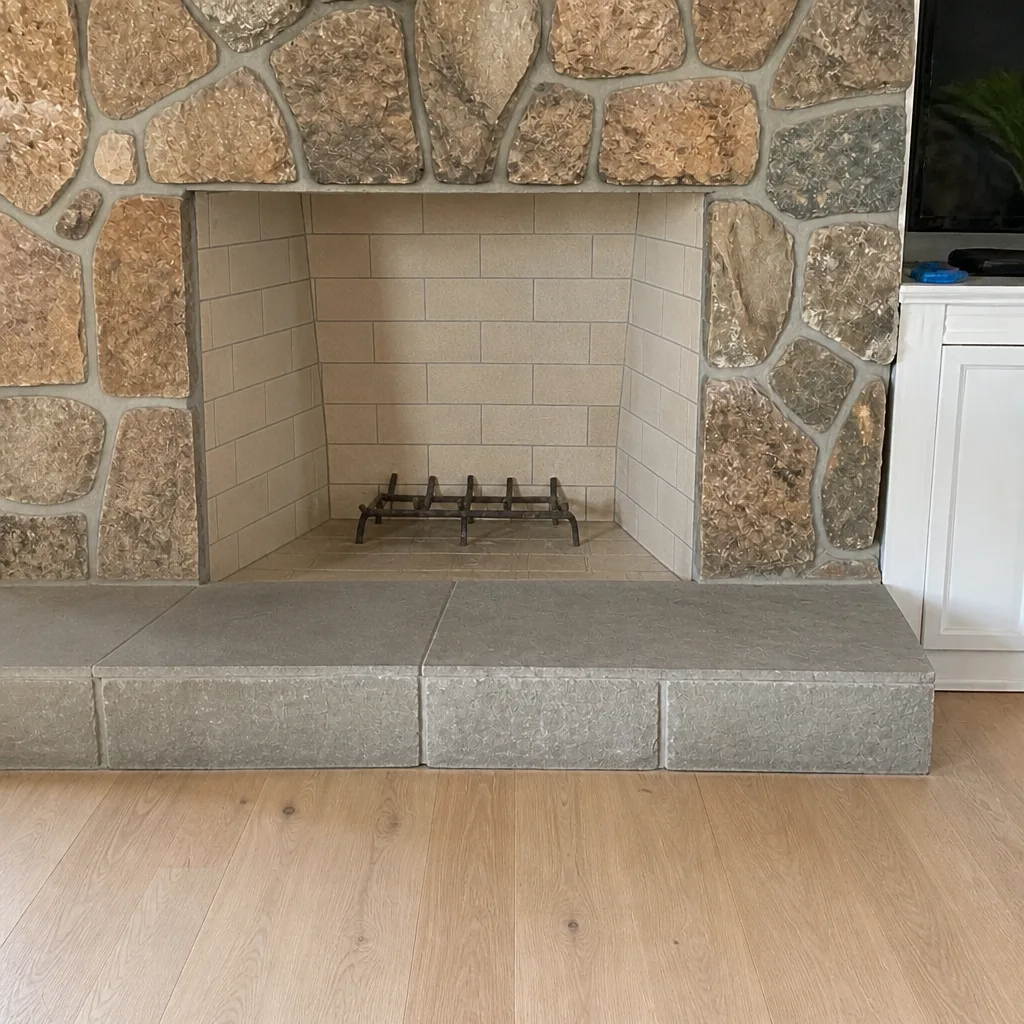
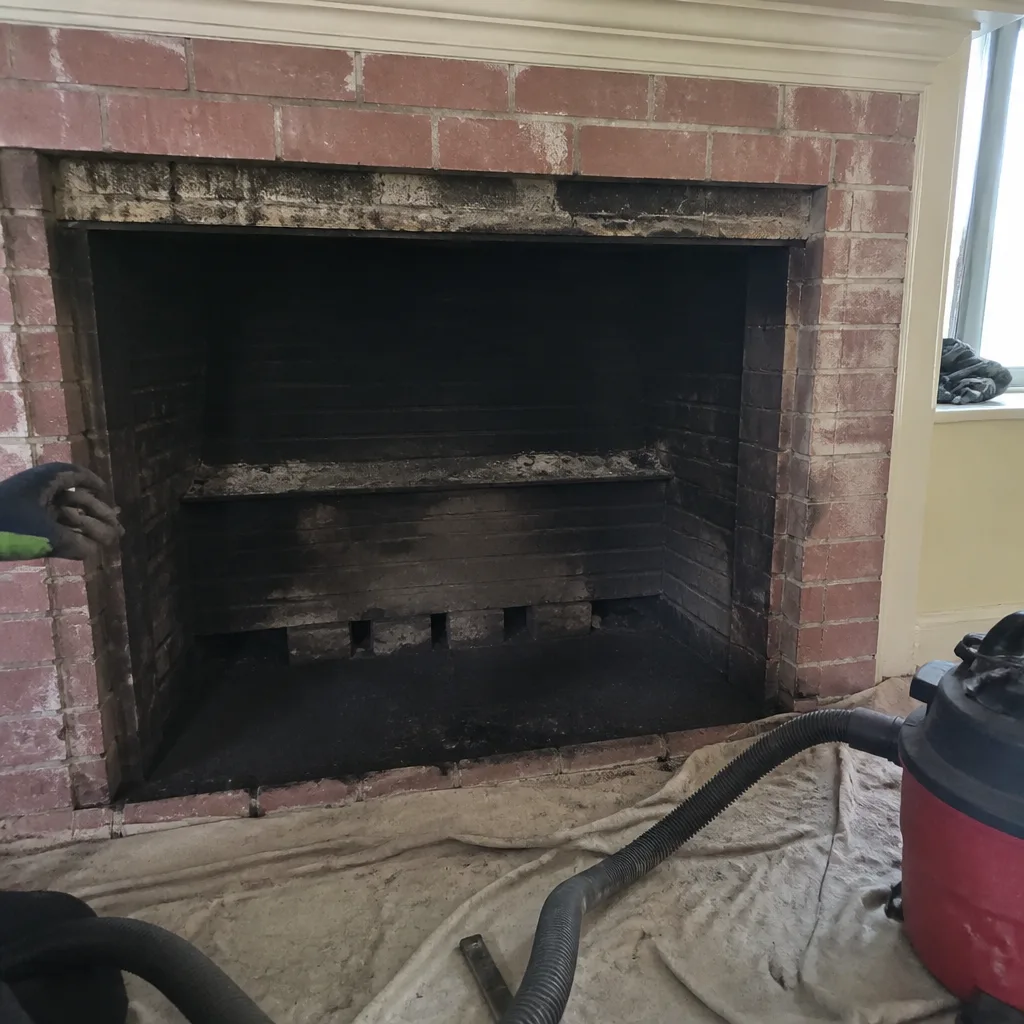
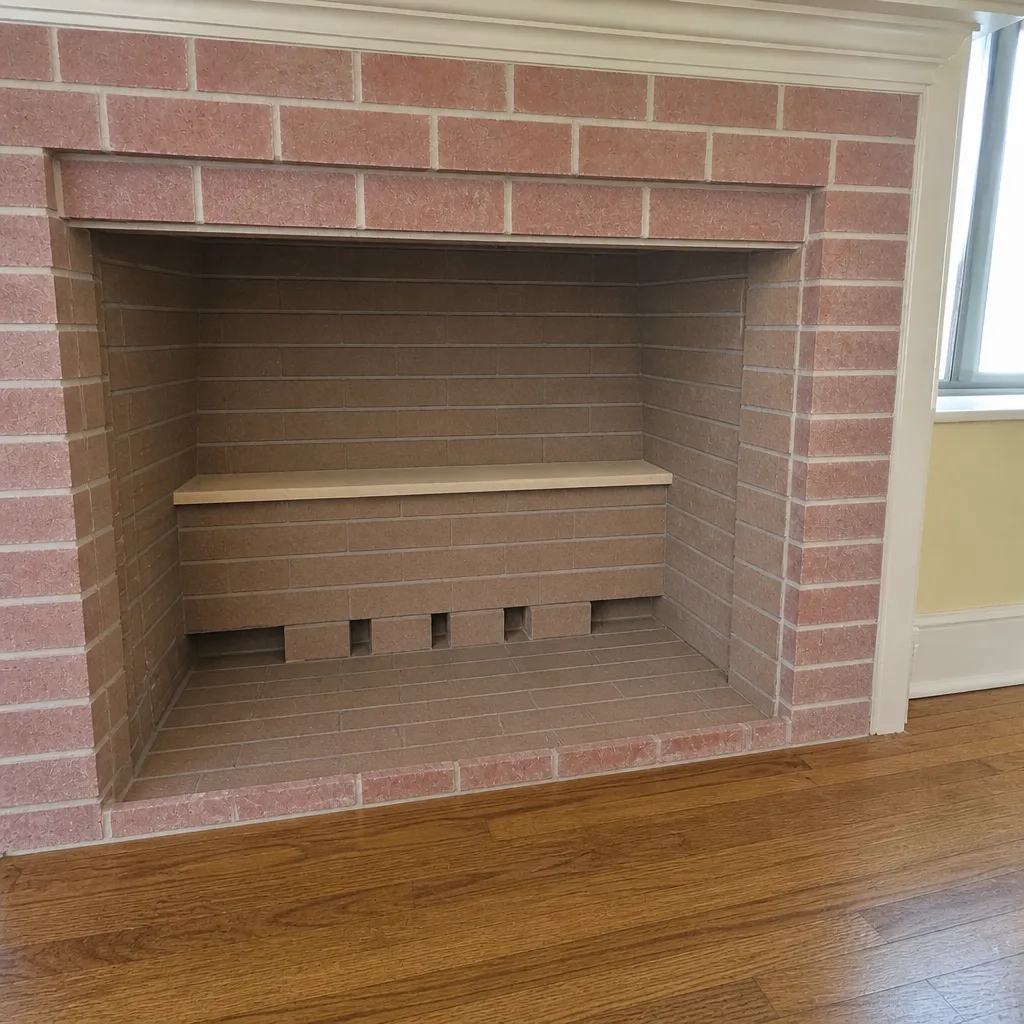
See the difference
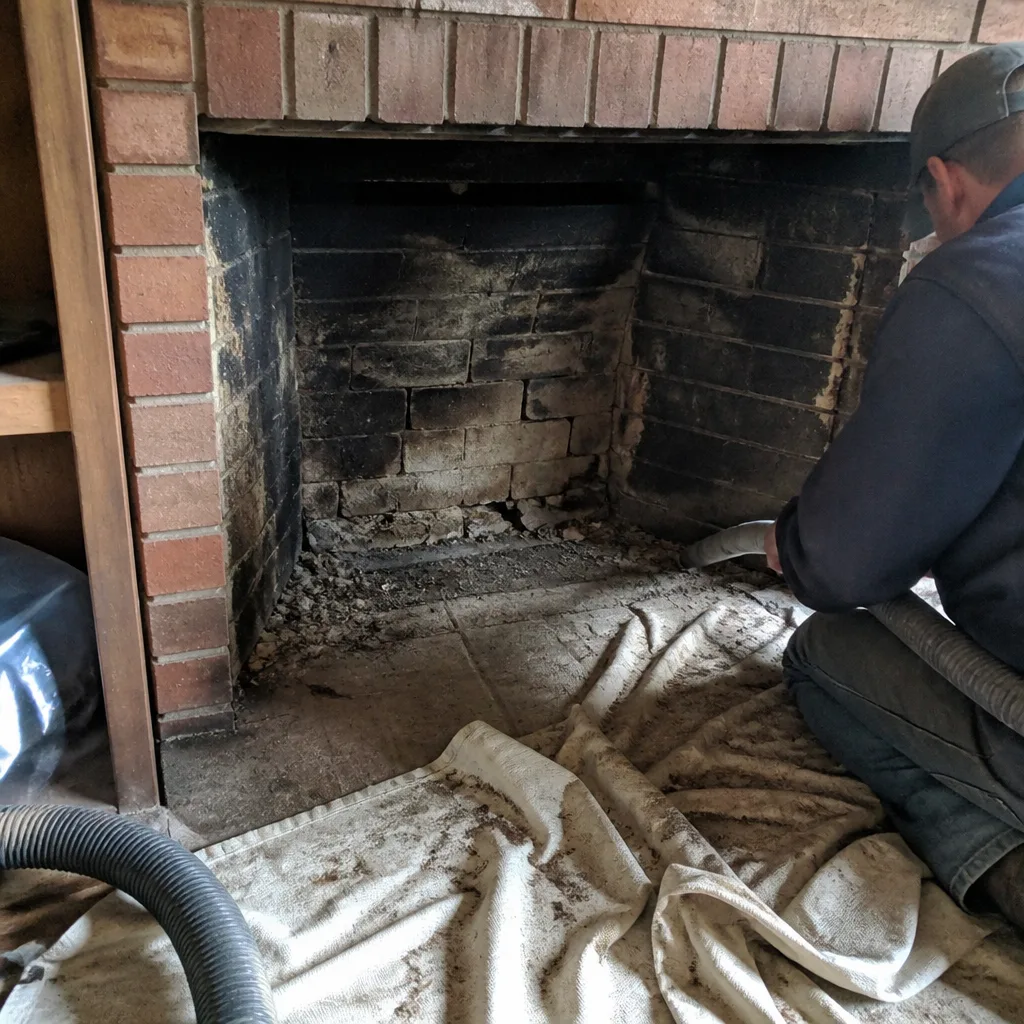 Before
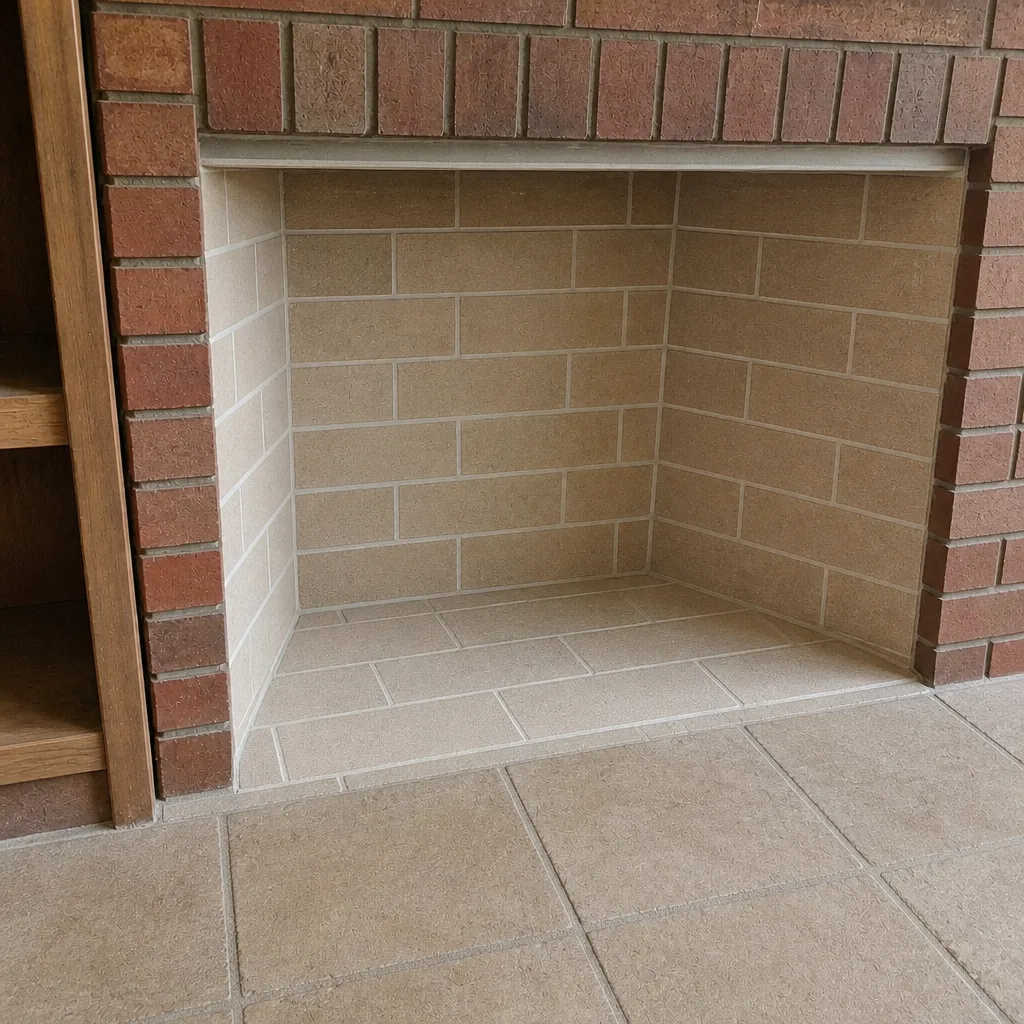 After
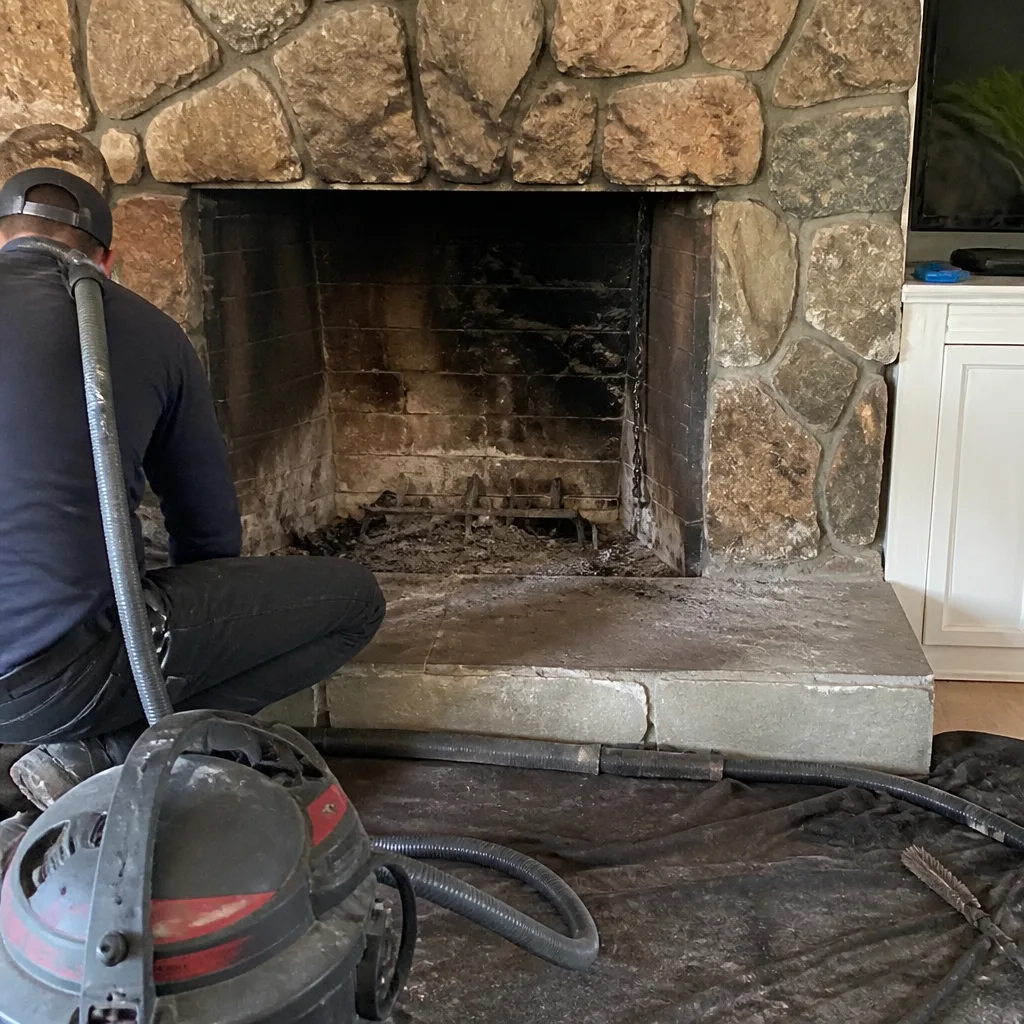 Before
 After
 Before
 After
When to Call a Professional
Some chimney work you can assess yourself: you can look at the crown from the ground, you can notice smoke backing into the room, and you can smell a stronger creosote odor. But the work itself, sweeping, inspecting, and repairing, belongs with someone trained to do it. Any time there’s a suspected creosote buildup, a flue that’s not drafting right, visible crown or cap damage, or a liner that might be compromised, that’s the moment to call.
A chimney sweep is also the right call before burn season if you haven’t had the flue checked in a year, and after a home inspector flags your chimney during a sale. If a repair comes out of the inspection, the same visit can usually scope the chimney cap & crown work or liner restoration without a hand-off to a second contractor. Chimney Sweep Tacoma Pros offers free estimates in Tacoma. Call (877) 820-8112. We answer 24/7. Fast dispatch from 7am to 7pm, Sunday through Friday.
Frequently Asked Questions
Late August through September is the best window. That’s when the flue is dry from the summer, the burn season hasn’t started, and there’s still time to fix anything the inspection turns up before you need the fireplace. Call (877) 820-8112 for an exact quote; estimates are free.
Not always, and that’s a decision that should be based on what a camera inspection actually shows. A compromised flue can sometimes be restored with HeatShield resurfacing rather than a full liner replacement, which is a smaller and less costly job. We don’t recommend a new liner without showing you the evidence first, and we’ll tell you plainly when the work can safely wait. Call (877) 820-8112 for an exact quote; estimates are free.
Once a year for most households that burn regularly, and yearly for homeowners whose fireplace gets heavy shoulder-season, smoldering use. A Tacoma flue that only sees mild, cool burns can build creosote faster than one that burns hot through the winter, so the annual sweep matters more, not less. Call (877) 820-8112 for an exact quote; estimates are free.
Creosote builds up on the flue walls, and at higher levels it can ignite, which is a chimney fire. A blocked or heavily coated flue also drafts poorly, which can push smoke, and carbon monoxide from a gas appliance, back into the home. Skipping a sweep is a fire and carbon-monoxide risk, not just an inconvenience, and it’s not worth the savings. Call (877) 820-8112 for an exact quote; estimates are free.
Generally, no. Crown sealing, crown rebuilds, and flashing repair need dry masonry and dry weather for the materials to cure properly. In Western Washington, that reliable window runs from roughly July through early September. If something fails outside that window, a temporary measure protects the chimney and the permanent fix is scheduled for the dry stretch. Call (877) 820-8112 for an exact quote; estimates are free.
That’s efflorescence, and it means water has been moving through the masonry and depositing salts as it evaporates. It’s a sign of a moisture problem, often from a failed crown, cap, or flashing, and the source needs to be found before it damages the masonry further. A spring inspection is the right time to chase it down. Call (877) 820-8112 for an exact quote; estimates are free.
The Bottom Line
Tacoma’s chimney care calendar is built around precipitation, not temperature. The wet season stresses the crown, cap, flashing, and masonry, so a late-spring inspection catches moisture damage when it’s still cheap to fix. The dry summer window is when exterior repairs actually work. Late summer is when the sweep protects your burn season, clearing creosote and finding problems with weeks of good weather left to address them. If a repair comes out of any of it, professional-grade materials like Gelco crown mix, Olympia Chimney caps, DuraFlex liner systems, and HeatShield flue resurfacing are the difference between a fix that lasts and one that doesn’t. Time the work to the climate, not the calendar, and a Tacoma chimney lasts a lot longer.
If you’re not sure where your chimney stands, an inspection tells you. We repair what we find, and nothing is recommended without evidence you can see for yourself. Call (877) 820-8112 for a free estimate. We answer 24/7. Fast dispatch from 7am to 7pm, Sunday through Friday. Whether it’s a late-summer fireplace repair or a spring inspection, we’ll give you a straight answer on what’s needed now and what can safely wait.
Our technicians have up to 11 years of experience.
Written by the team at Chimney Sweep Tacoma Pros.