
Last updated November 25, 2026
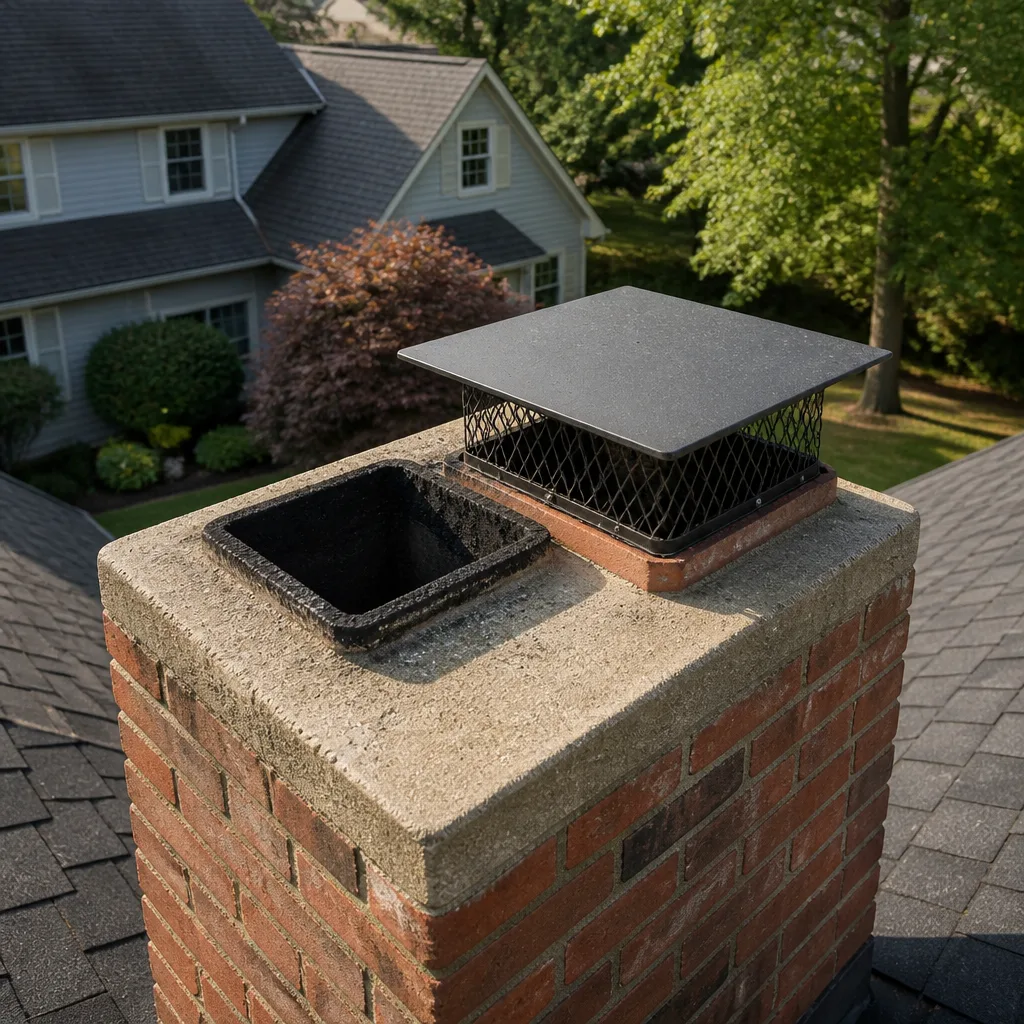 Sweep & inspection
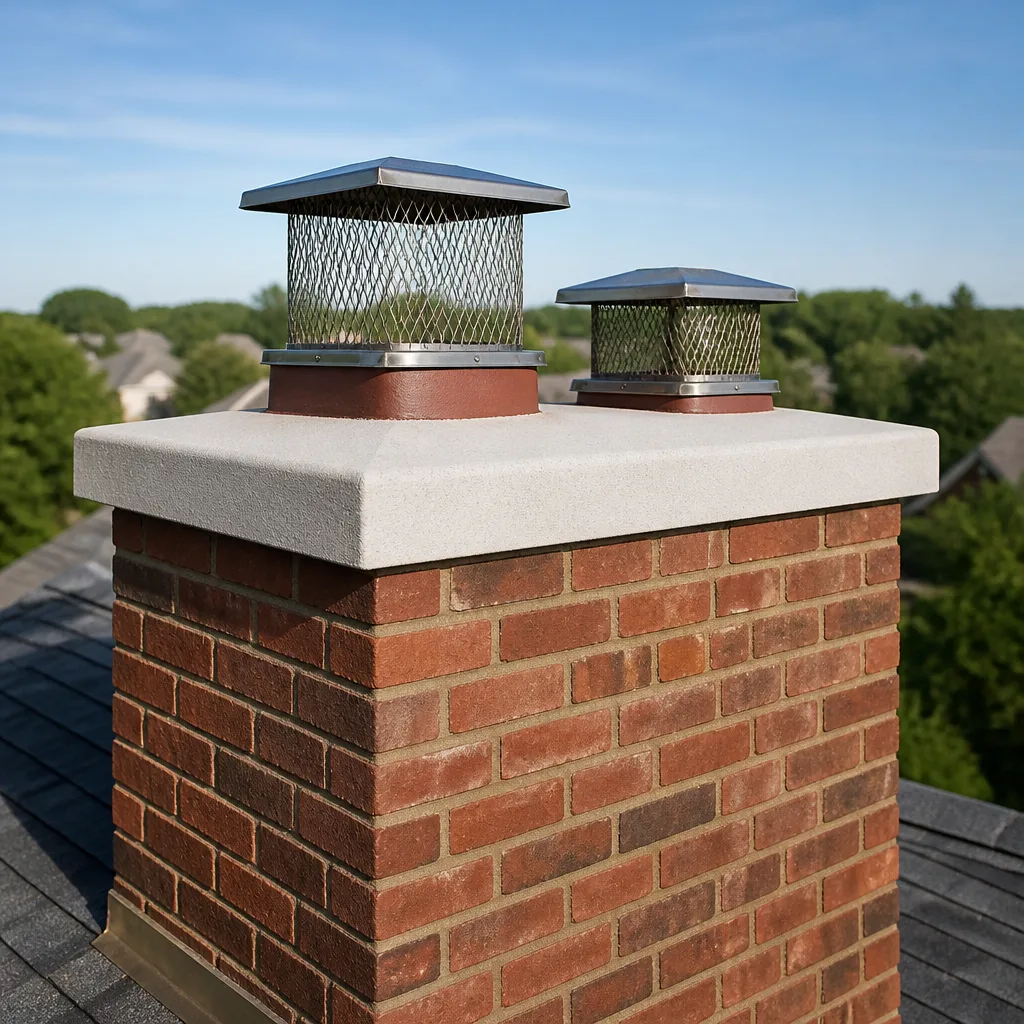 Caps & crowns
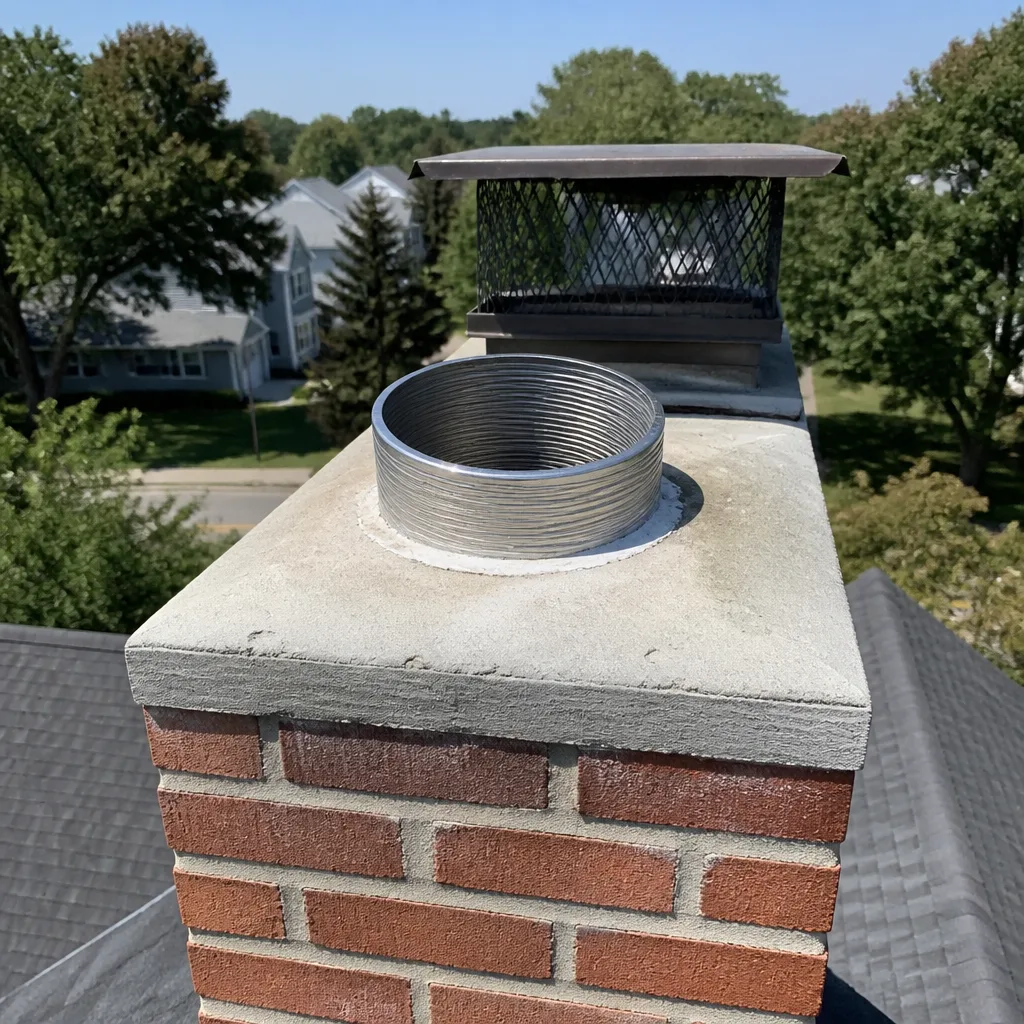 Flue relining
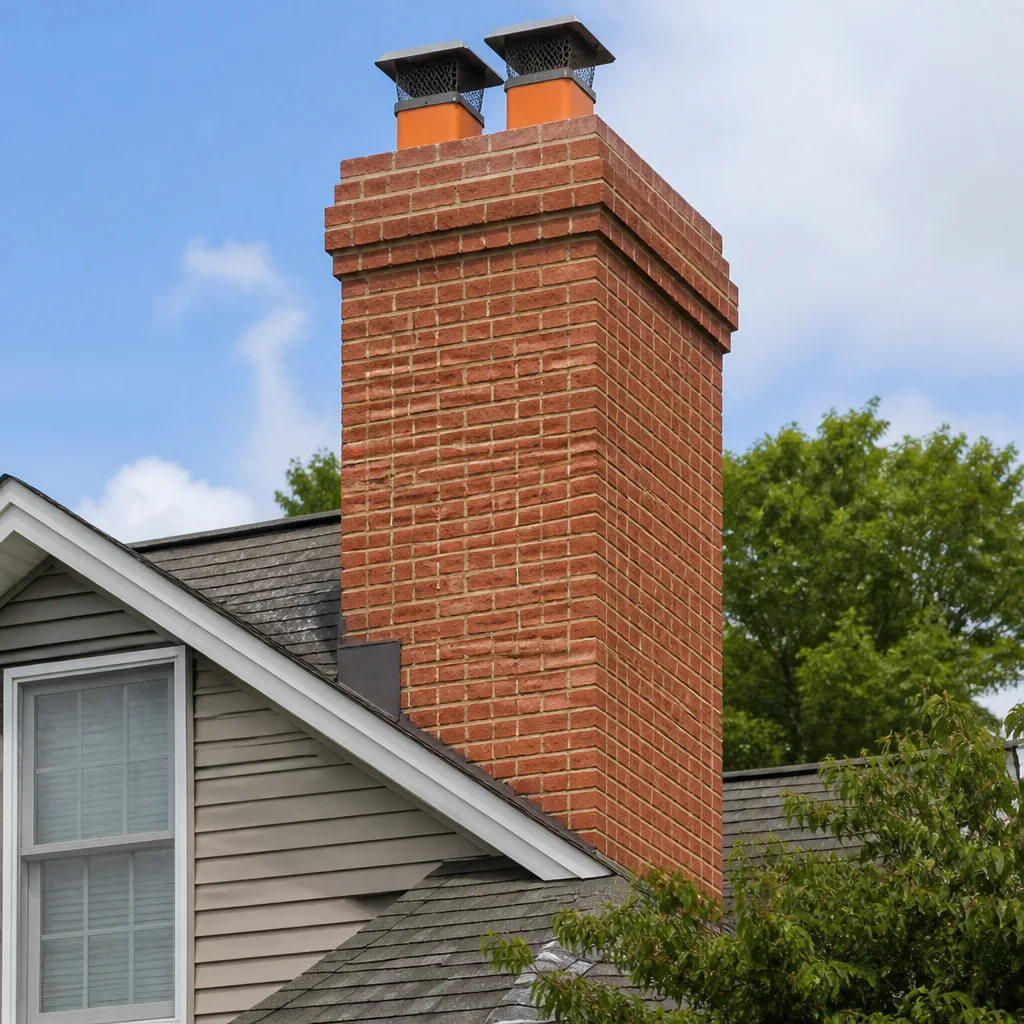 Masonry repair
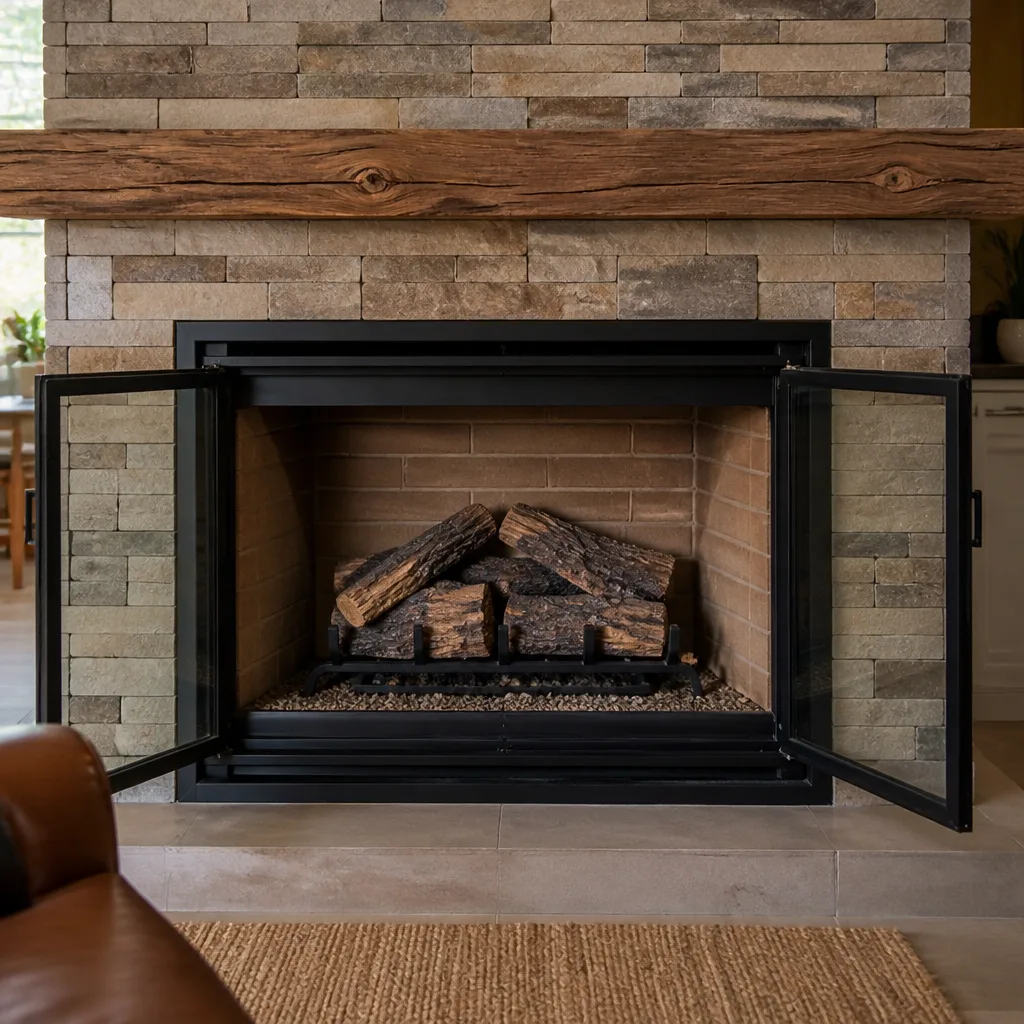 Gas fireplace service
Level 1 sweep and inspection to the NFPA 211 annual standard - flue, crown, cap, and flashing checked and photographed
Chimney sweep logs do not sweep chimneys. They loosen some creosote - which then falls where a brush and vacuum still have to collect it.
Chimney Sweep Troubleshooting in Tacoma: Common Problems and How to Fix Them
A smoky living room doesn’t always mean a dirty flue. Sometimes it means your Tacoma home’s negative air pressure is pulling combustion gases backward through a chimney that was swept a month ago. That single distinction, pressure versus blockage, explains more misdiagnosed chimney problems than anything else we run into. Homeowners spend money on a cleaning they didn’t need, or ignore a crown failure they thought was roof condensation, because the symptom pointed them the wrong way. This guide walks through the five root causes behind the symptoms you’re actually noticing: smoke, smell, noise, weak draw, and visible damage. You’ll learn which checks you can safely do yourself, which results mean you need a professional, and how Tacoma’s wet climate quietly reshapes the whole picture.
Quick Answer
Most chimney problems in Tacoma trace back to one of five root causes: creosote or blockage, negative air pressure in a tight home, a failed crown or flashing letting water in, a damaged flue liner, or a cap that’s missing or clogged. The symptom you notice (smoke, smell, weak draw, noise) rarely tells you which one it is on its own, so a systematic inspection is what separates a $200 sweep from an unnecessary $4,000 reline. Read your clues accurately, do the safe checks, and call a professional when the evidence points to structure, liner, or water intrusion rather than simple soot.
Styles & brands we work with
- Sweep & inspection
- Caps & crowns
- Flue relining
- Masonry repair
- Gas fireplace service
Table of Contents
- Smoke Coming Back Into the Room: Backdraft or Blockage?
- What Tacoma’s Wet Climate Does to Crowns and Mortar Joints
- The Newspaper Test and Other Draft Checks: What They Can and Can’t Tell You
- Sulfur or Asphalt Smells After Rain: What They Actually Mean
- Noises, Rattles, and Whistles: Reading the Sound
- The Tacoma Troubleshooting Decision Tree
- Common Mistakes to Avoid
- When to Call a Professional
- Frequently Asked Questions
Smoke Coming Back Into the Room: Backdraft or Blockage?
Smoke rolling out of a fireplace during lighting is the single most common complaint we hear from Tacoma homeowners, and it splits cleanly into two causes with completely different fixes. One is a physical obstruction: creosote buildup, a bird or squirrel nest on the cap, a collapsed tile, or debris dropped down the flue. The other is negative air pressure, where the house itself is fighting the chimney. If your home is tightly sealed and has a powerful kitchen or bath exhaust fan running, the fan can pull more air out of the house than the chimney can replace, and the flue reverses. A perfectly clean chimney smokes just as hard as a dirty one under those conditions.
Here’s how to tell them apart before you call anyone.
- Light the fire with all exhaust fans off and a nearby window cracked an inch. If the smoke clears and the fire draws well, you’re dealing with negative pressure, not blockage. That’s a house ventilation issue, not a dirty flue.
- Light the fire with the fans running and windows shut. If smoke returns immediately, pressure is confirmed as a major factor.
- Open the firebox door and feel the draft at the damper with a cold chimney. A strong inward pull means the flue is likely clear. Little to no pull, or air pushing toward you, points to a blockage or a flue that’s undersized for the firebox.
- Look up the flue with a flashlight from the firebox. You’ll only see the first few feet, but a visible nest, heavy glaze, or a fallen tile changes the diagnosis instantly.
Pressure problems get managed with better makeup air: a slightly open window, a clothes dryer vented correctly, or a dedicated outside air supply. Blockage problems need a real chimney sweep and, if the obstruction sits past what a brush reaches, a camera inspection. We repair what we find, so a pressure issue wrongly diagnosed as a cleaning job doesn’t turn into a repeat call next winter.
What Tacoma’s Wet Climate Does to Crowns and Mortar Joints
Tacoma’s rainy season does its slow work on the top of the chimney, where water gets in and mortar keeps absorbing it. The crown, the concrete slab capping the top of the chimney, is the first line of defense. It cracks as it cures and ages, and once water runs into those hairline cracks it freezes, expands, and widens them over successive winters. The same water soaks into the mortar joints between the bricks. Bricks themselves handle moisture reasonably well; mortar is softer and absorbs far more, so the joints erode first, often on the side facing the prevailing weather.
Homeowners in Tacoma read these symptoms as something else almost every time:
- White crusty powder on the brick is efflorescence, mineral salts pushed to the surface as water moves through the masonry. It looks alarming but is a moisture indicator, not structural failure on its own.
- A water stain on the ceiling near the chimney gets blamed on the roof. Often the roof is fine and the crown or the flashing at the chimney base is the real leak.
- Crumbling mortar on the chimney’s exterior is misread as cosmetic. Left alone, it lets water reach the interior flue and the framing.
- Rust streaks on the firebox or damper point to water entering from above, not from the living room.
This is where a chimney cap & crown service earns its place. Cap and crown work is the leading defense against water intrusion, and we install purpose-built components, using Gelco and Famco, rather than field-fabricated covers that fail within a season. A proper crown sheds water off the edge instead of letting it pool. A proper cap keeps rain, birds, and debris out of the flue while still letting smoke escape. Both are preventive, and both get skipped by sweep-only outfits that never look above the damper.
The Newspaper Test and Other Draft Checks: What They Can and Can’t Tell You
The newspaper test tells you whether your chimney is pulling air at the moment you check it. It cannot tell you whether the flue is clean, whether the liner is cracked, or whether the chimney will draw under a full fire load in January. Here’s what it involves, followed by its limits.
- Make sure the firebox is cold and no fire is burning.
- Hold a lit, rolled newspaper near the open damper. Watch the flame and the smoke.
- Interpret the result. If the flame bends toward the flue and smoke gets pulled up, you have upward draft. If the flame stands straight, wavers, or smoke drifts into the room, draft is weak or reversed.
What the test confirms: a baseline of upward draft on a cold day. That’s useful. What it misses: a flue that’s clean at the top but glazed with creosote halfway down, a hairline crack in a tile that opens under heat, or an undersized flue that can’t handle your firebox. A positive newspaper test on a chimney with a cracked liner is a false reassurance, and that’s the trap. In our experience, the test is best used to check whether pressure is a factor: run it once with the house sealed and fans on, once with a window cracked. If the result flips, pressure is the culprit.
The moment the test raises a real question (weak draft you can’t explain, smoke that reappears during a real fire, visible damage up the flue), the answer is a professional liner inspection with a camera, not a second roll of newspaper. A camera sees what a flame can’t. If the report shows a compromised but still sound flue, HeatShield resurfacing can restore it without a full replacement liner, which is a materially different cost than most homeowners expect.
Sulfur or Asphalt Smells After Rain: What They Actually Mean
A persistent sulfur, asphalt, or musty smell that appears after rain almost always means water is getting into the chimney system, not that the flue needs cleaning. The smell comes from water soaking into creosote residue, mortar, or the masonry around the flashing, then off-gassing into the house as it dries. A cleaning won’t fix it because the cleaning isn’t the problem. Water is.
The usual culprits, in rough order of how often we find them:
- A failed crown. Cracked or missing crown concrete lets water straight into the top of the flue.
- Bad flashing at the roof line. The metal that seals the chimney to the roof lifts, rusts, or gets improperly patched, and water tracks down the chimney’s exterior and into the attic or the living space.
- A missing or damaged cap. Without a cap, rain falls directly into the flue and soaks the creosote, turning a soot smell into a stronger, sharper odor each time it rains.
- Cracked flue tiles. Water reaches the interior of the masonry, and the smell follows the same path moisture does.
A sulfur smell can also come from a gas appliance’s byproducts when a flue is blocked, which is worth treating as a safety question, not a nuisance. If anyone in the house is getting headaches or nausea alongside the smell, get everyone outside and call for help before you troubleshoot anything. For the ordinary post-rain smell that clears in a day, the fix is almost always crown, cap, or flashing, which is exactly why a Chimney Sweep Tacoma Pros inspection starts at the top of the chimney and works down.
Noises, Rattles, and Whistles: Reading the Sound
Chimney sounds are signals, and they fall into recognizable categories. A whistle usually means air is moving through a gap that shouldn’t exist, often around the damper, the cap, or a warped firebox door. A rattle in wind points to a loose cap or a damper that’s come off its track. Scratching or flapping, especially in spring and early summer, is almost always an animal: birds, squirrels, or raccoons that found an uncapped flue. A deep boom or rumble during a fire is a sign of poor draft or a chimney fire, and that one gets treated as an emergency.
Match the sound to the cause:
- Whistle in wind: air leak at the damper, cap, or door gasket; check the cap fit and the firebox seal.
- Rattle in wind: loose cap, loose damper, or a hanging flue component; needs a look from the top.
- Scratching, flapping, or chirping: animal nesting in an uncapped flue; a cap solves it going forward, but the flue needs cleaning and inspection after the animal is out.
- Loud roar or boom during a fire: poor draft or an active chimney fire; stop using the fireplace and call.
- Ticking or dripping after rain: water tracking inside the chimney; crown or flashing failure.
Sound is one of the few symptom types a homeowner can read fairly accurately, because the categories rarely overlap. What sound can’t tell you is severity. A rattle from a loose cap is a small repair; a rattle from a damper hanging by one hinge can jam the flue open all winter. That’s a job for a professional look, and a single visit can diagnose and repair in the same trip rather than sending you to a second contractor.
The Tacoma Troubleshooting Decision Tree
Here’s the framework we use in the field, reduced to what a homeowner can act on. Work down until you hit your symptom, run the safe check, and follow the call threshold.
- Symptom: smoke in the room. Check: light a fire with fans off and a window cracked. If smoke clears, it’s negative pressure; manage makeup air. If smoke stays, it’s blockage; call for a sweep and inspection. If the flue looks obstructed from the firebox, don’t use the fireplace until it’s cleared.
- Symptom: sulfur, asphalt, or musty smell after rain. Check: look at the crown and cap from the ground with binoculars, and look for water stains on the ceiling near the chimney. If the crown is cracked or the cap is missing or damaged, call for crown and cap work. If you see no exterior problem, call for an inspection; the leak may be in the flashing or the flue.
- Symptom: weak draw, fire struggles to start. Check: the newspaper test with fans off and on. If it flips, pressure; if not, call for a draft and liner inspection.
- Symptom: noise. Check: match the sound to the categories above. An animal is a cleaning and cap job; a rattle or whistle that repeats in wind needs a physical inspection from the top.
- Symptom: visible damage. Check: crumbling exterior mortar, water stains inside, rust on the damper, or a leaning chimney. All of these are structural or water issues; none of them are cleaned away, and all of them need a professional look before the next fire.
- No symptom at all. That’s the annual tier: a hardwood-burning fireplace wants a chimney sweep and an inspection once a year, or more often on a heavily used fireplace. Prevention is cheaper than everything above.
Notice what the decision tree doesn’t do: it doesn’t tell you to fix a liner yourself, or open up a crown, or get on the roof. Those are the parts of chimney work where a fall or a wrong repair costs more than the service. For anything that reaches the flue, the crown, or the firebox interior, the tree points to a professional, and that’s the right answer.
Common Mistakes to Avoid
- Assuming smoke always means a dirty chimney. In a tight Tacoma home with modern ventilation, negative pressure fools a lot of people into paying for a redundant sweep. Run the fans-off and fans-on test before you book.
- Reading a post-rain smell as a cleaning problem. Water intrusion at the crown, cap, or flashing drives the smell; a sweep won’t stop the rain. Look up, not down the flue.
- Trusting the newspaper test as a clean bill of health. It confirms draft, not the liner. A tile crack hides from a flame and shows up in a camera.
- Relying on a generic cap or a homemade cover. A field-fabricated cap that fails lets the rain straight in. Purpose-built components, using Gelco or Famco, are what hold up.
- Skipping the inspection because the sweep “looked fine.” A sweep cleans; an inspection diagnoses. Both matter, and doing them together saves a visit.
- Ignoring crumbling exterior mortar because it looks cosmetic. That mortar is the water barrier. Once it goes, water reaches the framing and the flue interior, and the repair grows.
- Treating a hairline crack in the flue as minor. A cracked liner is a carbon monoxide and fire pathway, and the fix depends on whether the flue can be resurfaced with HeatShield or needs a full reline. That’s a determination for an inspection, not a guess.
When to Call a Professional
Call for anything that reaches the flue, the liner, the crown, the flashing, or the firebox interior. That includes smoke that doesn’t clear with fans off and a cracked window, a sulfur or asphalt smell that returns after every rain, visible crumbling mortar or a leaning chimney, water stains near the chimney, rust on the damper, an animal in the flue, a chimney fire or boom, and any crack or damage found during a home inspection. If you’re unsure, the safe move is a professional look, not a guess. Our technicians have up to 11 years of experience, and an inspection includes camera evidence and a photo report so you can see what we see before anything is recommended. Chimney Sweep Tacoma Pros offers free estimates in Tacoma – call (877) 820-8112. Call (877) 820-8112. We answer 24/7. Fast dispatch from 7am to 7pm, Sunday through Friday.
Frequently Asked Questions
A standard chimney sweep in Tacoma typically runs $180 to $280 for a straightforward cleaning, and a full inspection with a camera adds to that. The written estimate sets the final price, and nothing gets recommended beyond the sweep without evidence you can see. Call (877) 820-8112 for an exact quote; estimates are free.
Not always, and that’s the point of the inspection. A cracked or spalled flue sometimes can be resurfaced with HeatShield rather than fully relined, which is a different repair at a different cost. If the flue layout is complex, a flexible stainless system like DuraFlex handles bends and offsets a rigid liner can’t. We don’t recommend either without the camera footage to back it up. Call (877) 820-8112 for an exact quote; estimates are free.
Once a year for a regularly used wood-burning fireplace, and more often if you burn a lot of softwood or unseasoned wood. A gas fireplace still needs an annual inspection even though it produces less soot. Call (877) 820-8112 for an exact quote; estimates are free.
Creosote builds up in the flue, and glazed creosote is highly flammable, so the fire and carbon monoxide risk grows with every burn. Water intrusion at a failing crown or cap does slow structural damage that gets more expensive the longer it sits. Skipping one season is recoverable; skipping several isn’t. Call (877) 820-8112 for an exact quote; estimates are free.
Water is getting in, almost always at the crown, the cap, or the flashing, and it’s soaking creosote and mortar until the smell off-gasses. A cleaning won’t fix it; the water entry has to be sealed. Call (877) 820-8112 for an exact quote; estimates are free.
Usually yes. Negative pressure is handled with makeup air and ventilation changes, blockage with a sweep, and a weak or undersized flue with a liner or cap adjustment. Rebuilding is the last resort, not the first answer, and camera evidence tells you which category you’re in before anyone quotes structural work. Call (877) 820-8112 for an exact quote; estimates are free.
The Bottom Line
Your chimney’s symptoms lie more often than they tell the truth. Smoke can mean pressure or blockage; a smell can mean water, not soot; a rattle can be trivial or serious. The fix is to read the clues systematically, run the safe checks, and get a professional inspection the moment the evidence reaches the flue, the crown, or the structure. An inspection without repair capability is just a report, and we do both: sweep, inspection, fireplace repair, cap and crown, and liner restoration with professional-grade materials like HeatShield and DuraFlex. Nothing is recommended without camera evidence you can see, and we’ll tell you plainly when work can safely wait.
Ready for a straight answer on your Tacoma chimney? Call (877) 820-8112 for a free estimate. We answer 24/7. Fast dispatch from 7am to 7pm, Sunday through Friday.
Written by the team at Chimney Sweep Tacoma Pros.
See the difference
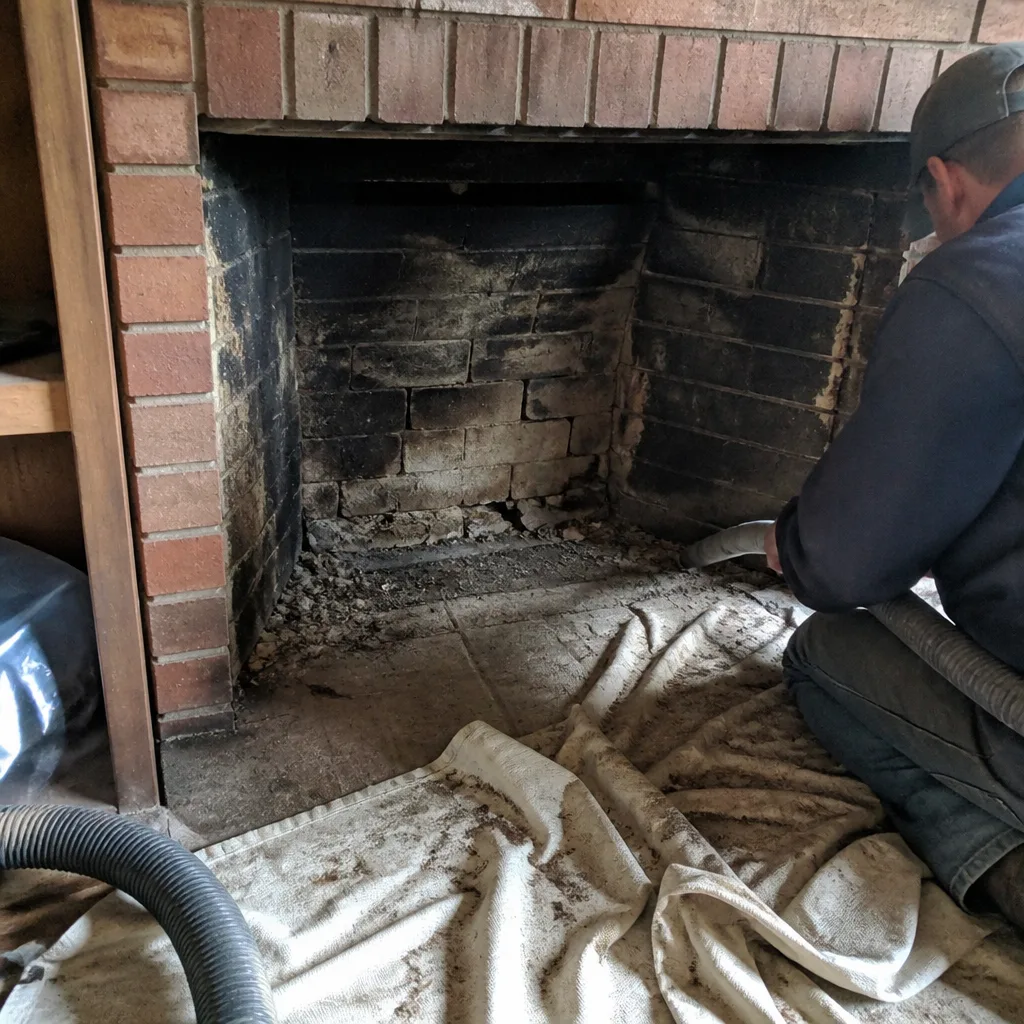 Before
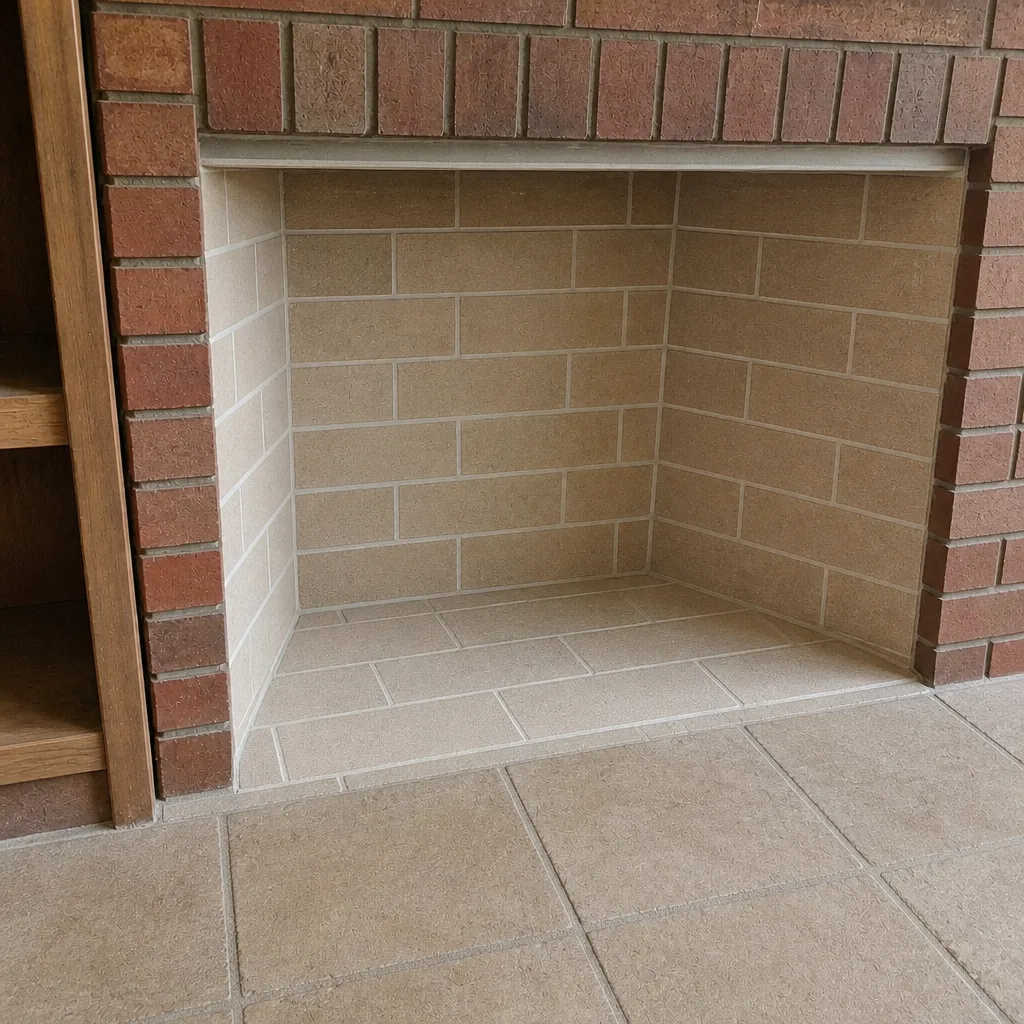 After
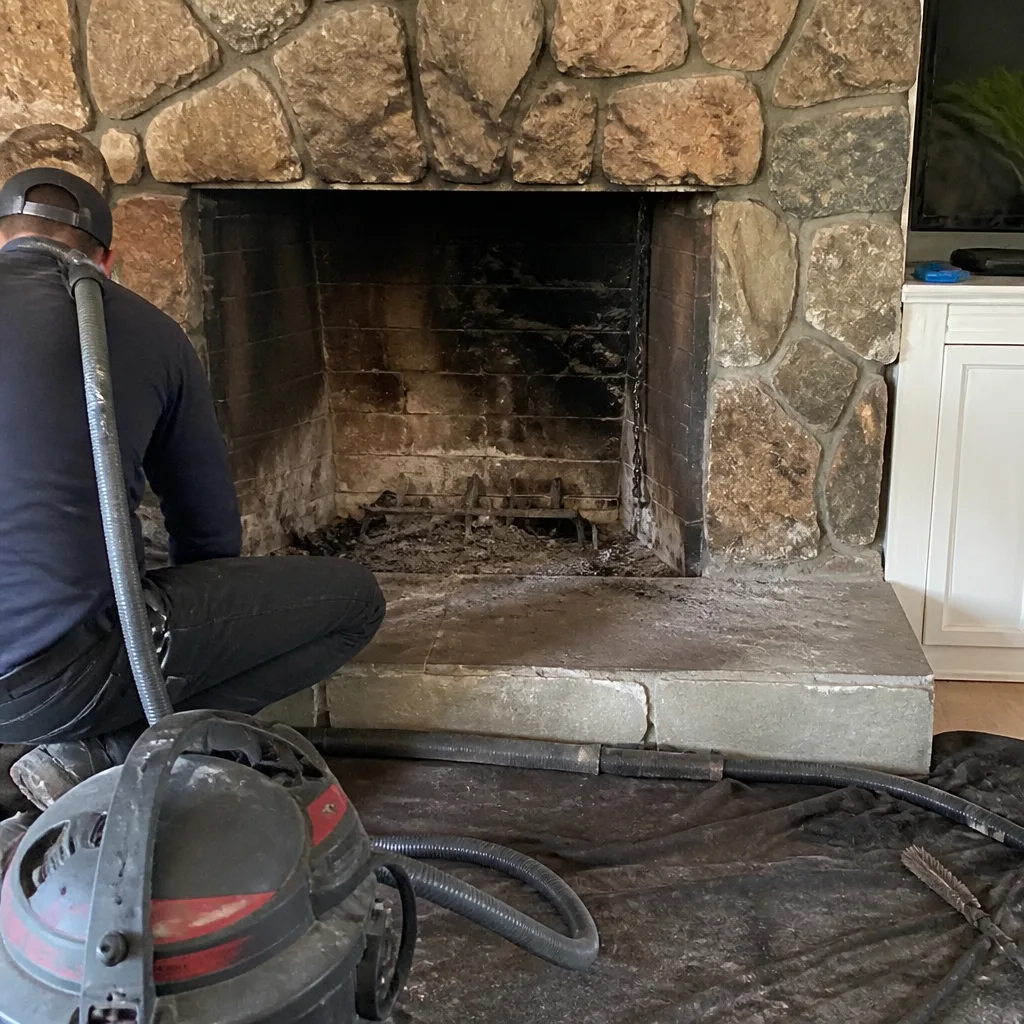 Before
 After
 Before
 After