
Last updated November 25, 2026
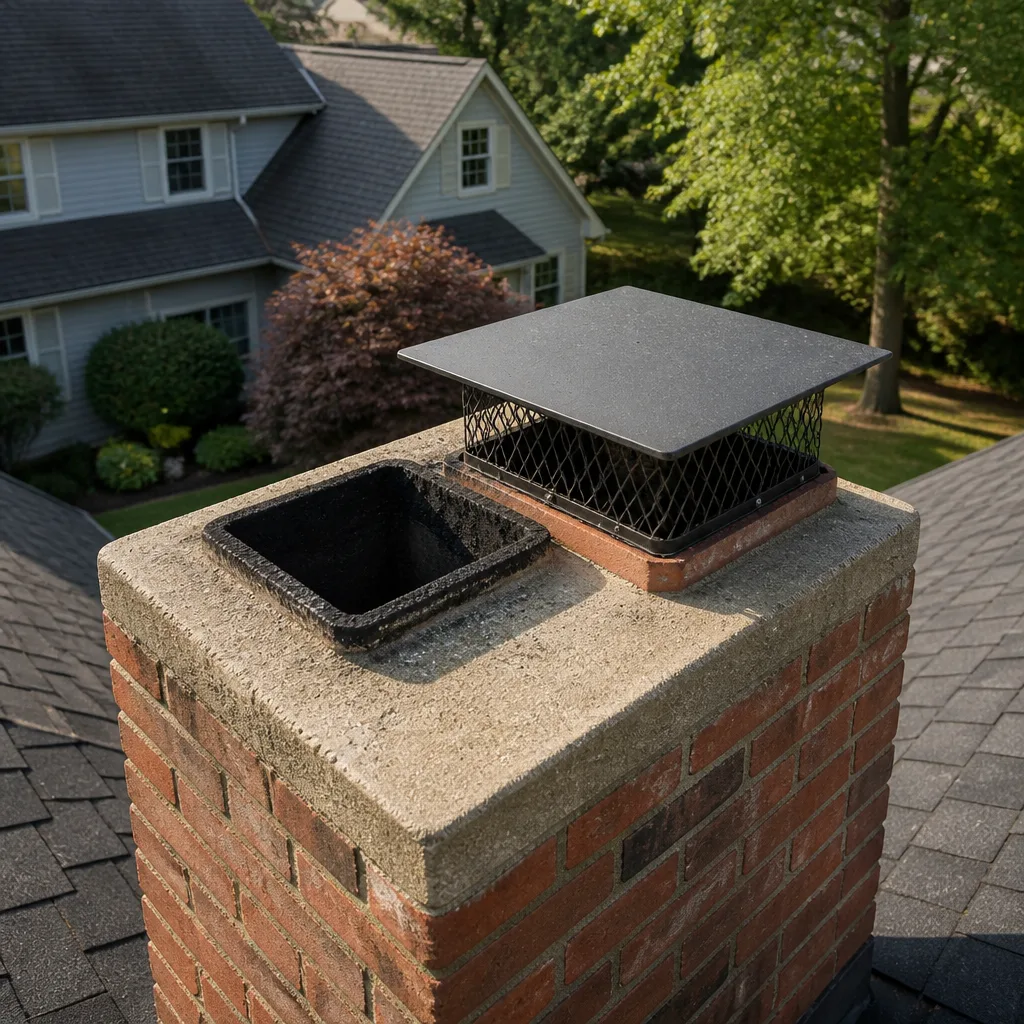 Sweep & inspection
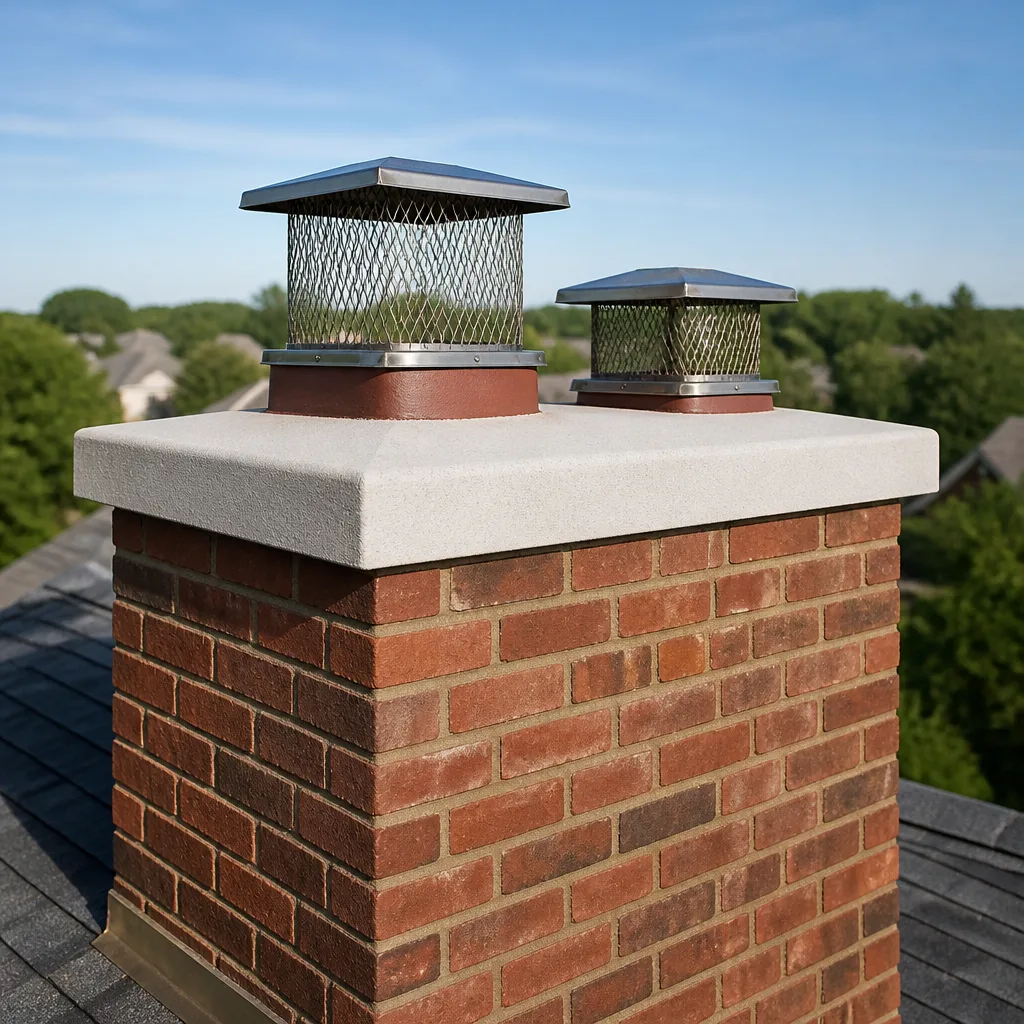 Caps & crowns
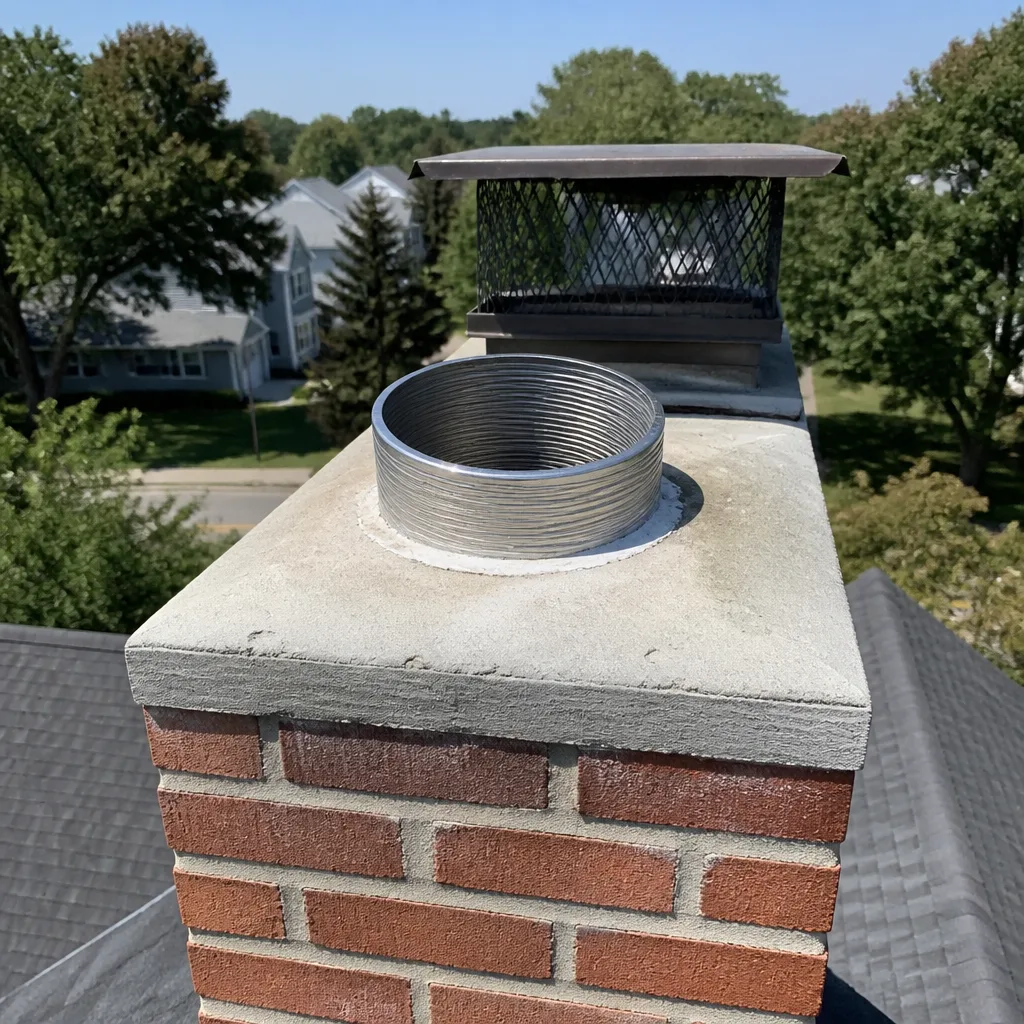 Flue relining
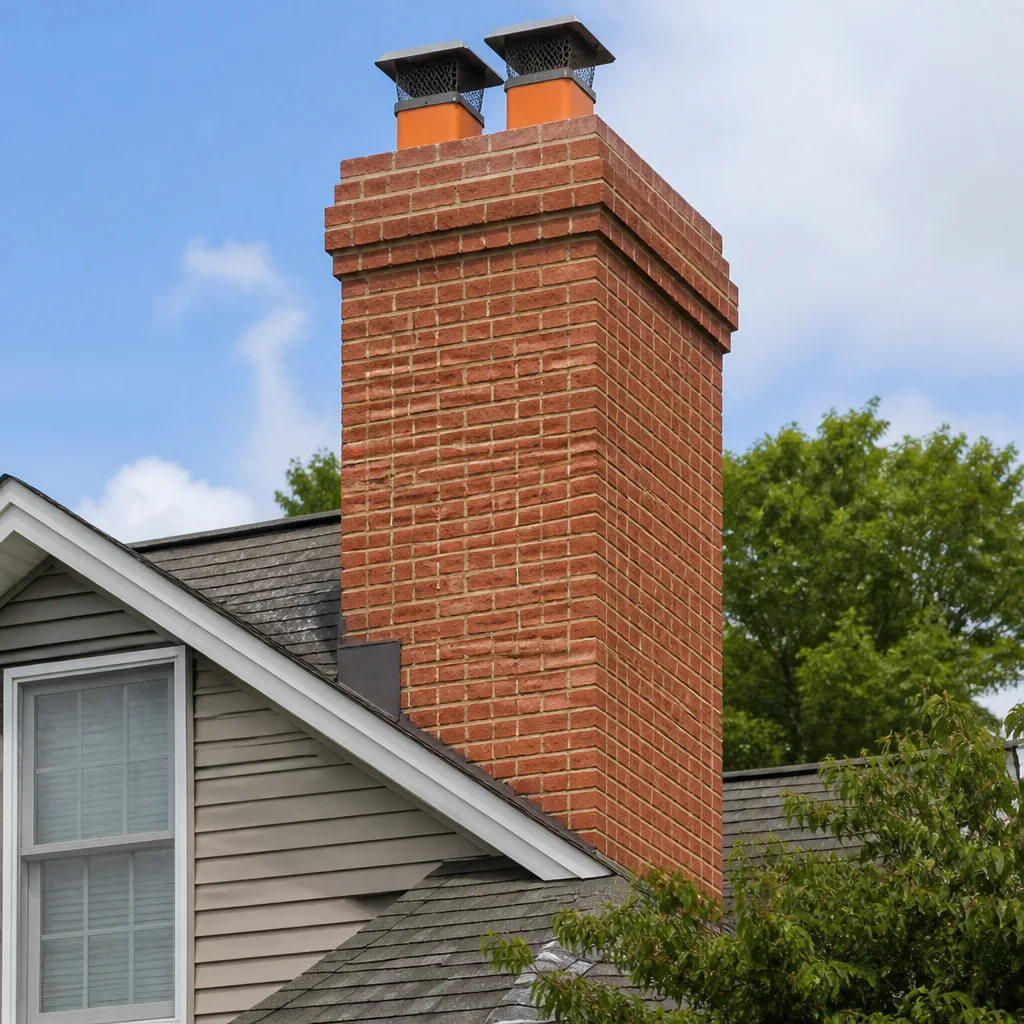 Masonry repair
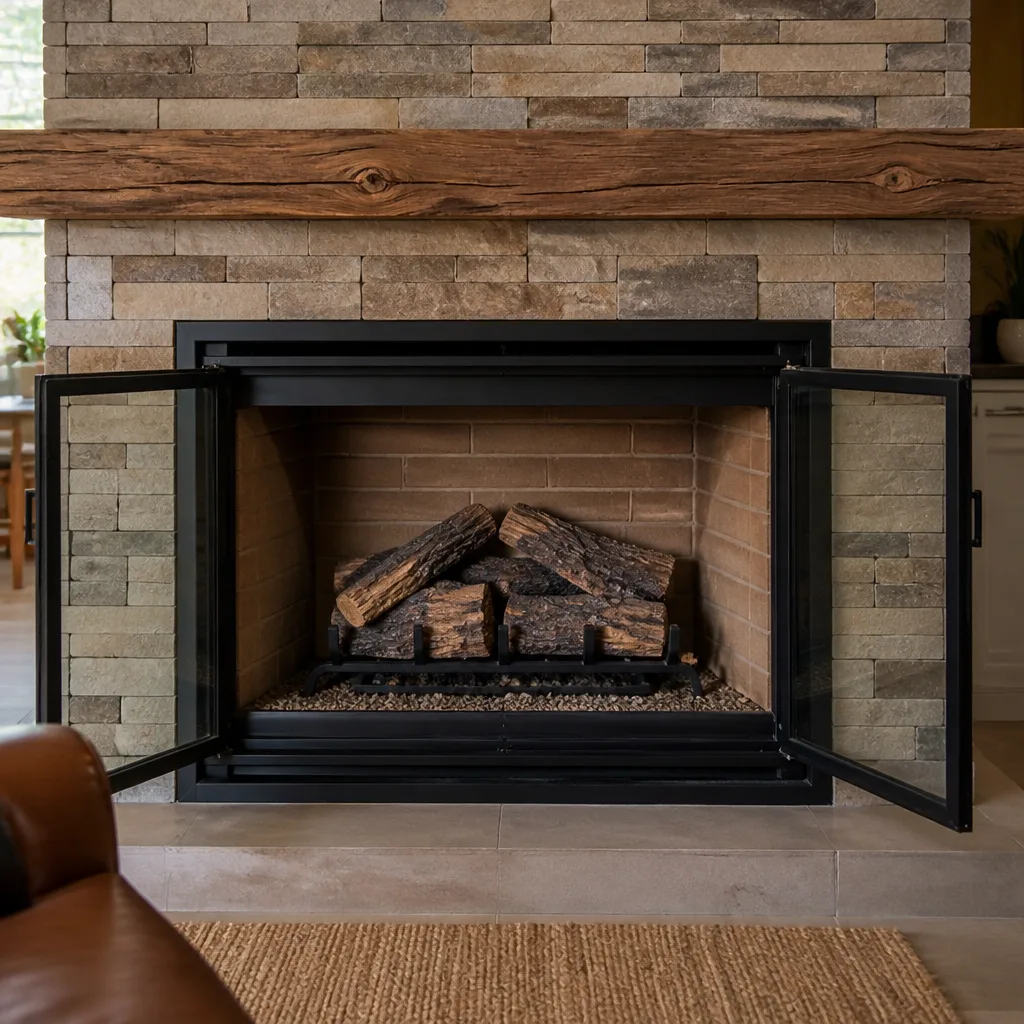 Gas fireplace service
Level 1 sweep and inspection to the NFPA 211 annual standard - flue, crown, cap, and flashing checked and photographed
Chimney sweep logs do not sweep chimneys. They loosen some creosote - which then falls where a brush and vacuum still have to collect it.
DIY vs Professional Chimney Cleaning: The Tacoma Homeowner’s Decision Guide
Most homeowners who ask about DIY chimney cleaning are really asking about money. That framing misses the point. A brush on a rod removes loose soot from the flue, and that matters. But a chimney is a system, and the parts that most often decide whether your fireplace is safe to burn are the parts a consumer brush kit never touches: the smoke chamber, the liner joints, the crown, the top of the flue. You can spend an afternoon scrubbing and still not know what condition your liner is in, because that takes light and a camera, not a brush. This guide walks through what DIY equipment actually accomplishes, where it genuinely makes sense, and why Tacoma’s older housing stock raises the stakes.
Quick Answer
DIY chimney cleaning works for light maintenance on a gas fireplace with a stainless liner and a recent professional inspection on record. For wood-burning fireplaces, and especially for pre-1980 Tacoma homes with clay tile or unlined masonry chimneys, professional cleaning with camera inspection is the safer call because a consumer brush removes soot but cannot assess liner integrity, creosote glaze, or smoke chamber condition. Doing an annual professional inspection as your baseline and handling light owner maintenance in between gives you both safety documentation and lower long-term cost.
Styles & brands we work with
- Sweep & inspection
- Caps & crowns
- Flue relining
- Masonry repair
- Gas fireplace service
Table of Contents
- What DIY Chimney Cleaning Actually Accomplishes
- What Professional Cleaning Adds That a Brush Cannot
- DIY Equipment vs Professional Rotary Systems: A Direct Comparison
- When DIY Cleaning Is Genuinely Reasonable
- Why Tacoma’s Older Housing Stock Raises the Stakes
- The Insurance and Liability Dimension Homeowners Miss
- How to Combine Professional Inspections With Owner Maintenance
- Common Mistakes to Avoid
What DIY Chimney Cleaning Actually Accomplishes
A DIY sweep removes what you can reach. That’s the honest, useful way to describe it. Consumer brush kits, typically a polypropylene or wire brush on flexible rods, are designed to knock loose soot and light creosote from the straight, accessible portion of the flue. On a well-maintained chimney with a straight vertical run, they do that job adequately. On anything more complex, the reachable portion is often a fraction of the total flue.
Here’s what a consumer setup generally does accomplish:
- Removes loose, powdery soot from the straight section of the flue above the damper
- Clears light, Stage 1 creosote (the flaky, easily brushed type) from reachable surfaces
- Removes debris from the firebox floor and smoke shelf area
- Gives you a general sense that “something came down,” which is reassuring but not diagnostic
And here’s what it doesn’t touch: the entire length of liner you can’t see. The smoke chamber, that sloped shelf above the damper that collects creosote and is notoriously hard to reach, is a common fire origin point precisely because brushes skip it. Stage 2 creosote, the hardened glaze that bonds to flue walls, resists consumer brushes entirely and can even be compacted by them. The crown and cap, where water intrusion starts, aren’t part of a flue sweep at all.
In our experience, the gap between “the flue looks clean from the firebox” and “the chimney is safe” is exactly where problems hide. A homeowner in Tacoma finishing a DIY sweep has cleaned the part they could see. The question that matters is the part they couldn’t.
What Professional Cleaning Adds That a Brush Cannot
Professional chimney cleaning is really two services bundled: mechanical cleaning and diagnostic inspection. The cleaning uses rotary systems, power-driven brushes and whips that follow the flue’s geometry and address the full run, including offsets and the smoke chamber. The inspection uses a camera to look at every inch of the liner interior, the joints, the crown, the cap, and the firebox. One without the other is incomplete.
A professional sweep in Tacoma typically includes these steps:
- Pre-clean assessment. The technician checks the firebox, damper, and visible flue before any cleaning, so they know what they’re dealing with and whether cleaning is even safe to start.
- Containment setup. Drop cloths and a HEPA vacuum keep soot out of the living space. This alone is worth noting; DIY sweeps regularly dust an entire room.
- Mechanical cleaning of the full flue. Rotary brushes and whips address the entire liner height, not just what rods can reach from below.
- Smoke chamber and shelf cleaning. This is the step most DIY efforts miss and where a meaningful share of chimney fire risk lives.
- Camera inspection. A video scope examines liner joints, cracks, gaps, and creosote glaze that isn’t visible from the firebox.
- Exterior check. Crown, cap, flashing, and mortar joints get looked at, because water intrusion damages chimneys from the outside in.
- Written findings. You get documentation of what was found, what was cleaned, and what, if anything, needs attention and when.
That last point is where the professional model earns its keep. An inspection that produces findings you can act on, from a company that can actually perform the repair, is very different from a report you have to hand off. We repair what we find, using professional-grade materials like HeatShield for flue resurfacing when a liner is compromised but doesn’t need full replacement, or DuraFlex stainless systems when relining is the right answer. chimney sweep visits that end with documented findings are the ones you can rely on later, whether for your own records, an insurance question, or a future home sale.
DIY Equipment vs Professional Rotary Systems: A Direct Comparison
The equipment gap is bigger than most homeowners expect, and it’s the technical heart of the DIY versus professional question. Here’s how the two approaches line up on the capabilities that actually matter.
| Capability | Consumer DIY Kit | Professional Rotary System |
|---|---|---|
| Straight flue, loose soot | Yes, with effort | Yes, faster and cleaner |
| Stage 1 creosote | Partial | Full removal |
| Stage 2 glazed creosote | No; can compact it | Yes, with rotary whips and chemical treatment |
| Smoke chamber and shelf | Usually not reached | Yes |
| Offsets and complex flue geometry | Often blocked | Yes, with flexible rods and heads |
| Interior camera inspection | No | Yes |
| Liner joint and crack assessment | No | Yes |
| Crown, cap, flashing check | No | Yes |
| Containment (dust control) | Limited | HEPA vacuum and drop cloths |
| Written documentation | None | Yes, with photo or video findings |
Two rows deserve extra attention. First, Stage 2 glazed creosote: a stiff consumer brush dragged across hard glaze can polish or compact it rather than remove it, which is worse than leaving it alone, because it looks cleaner while remaining a fuel source. Second, camera inspection: this single capability separates a cleaning from an assessment. A camera shows whether the clay tile liner has hairline cracks, whether joints have shifted, and whether the flue is actually uniform in diameter the whole way up. None of that shows up on a brush.
If your home has a fireplace insert or a gas appliance with a stainless liner, the equipment story changes somewhat, which we’ll get to next. But for a wood-burning masonry chimney, the table above is the honest comparison.
When DIY Cleaning Is Genuinely Reasonable
There are real scenarios where DIY cleaning is fine, and we’d rather say so than pretend every chimney needs a truck in the driveway. The cases where DIY is reasonable share a specific profile: low risk of hidden damage, low creosote accumulation, and a professional baseline that confirms the system is sound.
DIY cleaning is genuinely reasonable when all of these are true:
- Gas fireplace with a properly installed stainless liner. Gas appliances produce far less creosote than wood. The liner is a known, uniform material and the firebox is typically sealed. Light soot removal at the firebox and the vent termination area is a reasonable homeowner task.
- Light use, well-seasoned fuel. If you burn a cord or less per season and your wood is properly dried, creosote buildup is slow and predictable.
- A recent professional baseline inspection is on file. If a professional camera-inspected the liner within the last year or two and found it sound, you know what condition you’re starting from. That baseline is the key variable most DIY advice ignores.
- Straight, accessible flue. No offsets, no insert, no smoke chamber complications you can’t see into.
- You’re not chasing a problem. DIY cleaning is maintenance on a known-good system, not diagnosis. If smoke is backing up, the damper is sticking, or the firebox shows damage, that’s a professional call.
Note what’s on the “not” side of the line. A wood-burning masonry chimney with an unknown liner condition is not a good DIY candidate. Neither is a chimney that hasn’t been inspected in several years, no matter how carefully you burn. And any chimney with a history of drafting problems or visible firebox damage is off the table.
For gas fireplaces specifically, an annual inspection still matters because venting and combustion safety are about more than soot. When something’s found, fireplace repair handled by the same company that inspected it keeps the diagnosis and the fix together. If you’re doing legitimate homeowner maintenance on a gas appliance between professional visits, that’s a sound arrangement. What you want to avoid is treating a DIY sweep as a substitute for the inspection that validates the system.
Why Tacoma’s Older Housing Stock Raises the Stakes
Tacoma’s housing stock is the single biggest reason the DIY question plays out differently here than in a newer suburb. A large share of Tacoma homes date from before 1980, and a meaningful number of those were built with clay tile liners or, in older construction, unlined masonry chimneys. Those systems behave very differently from the modern stainless liners that make DIY cleaning relatively safe.
Clay tile liners are made of individual tiles stacked in sections with mortar joints between them. Over decades, those joints can crack, the tiles can spall or shift, and gaps can open between sections. A brush passes over a cracked joint without a hint. A camera sees it. In a pre-1980 Tacoma home, that distinction matters more, because the liner is older, more likely to have issues, and the installation may never have been upgraded. Our Chimney Sweep Tacoma Pros team finds these conditions regularly in older neighborhoods around the city.
Unlined masonry is the harder case. A chimney built without a liner, common in early 20th-century construction, exposes the surrounding masonry directly to flue gases and creosote. Those chimneys often need a liner installed for code compliance and safety before regular burning is advisable, and that’s a professional determination, not a homeowner judgment call. In cities with Tacoma’s mix of vintage housing, a chimney that looks fine from the living room can have exposed, deteriorating masonry behind it.
Tacoma’s climate adds a second layer. Wet, cool months driven by marine air off Puget Sound cycle chimneys through freeze-thaw and constant dampness. That weather stresses crown, cap, and masonry joints, and water intrusion is a leading cause of chimney damage. A DIY flue sweep addresses none of it. The exterior is where damage often starts, and it’s invisible from inside the firebox. When we install chimney cap & crown components from brands like Gelco and Famco, we’re addressing that water path directly, which a brush never will.
The Insurance and Liability Dimension Homeowners Miss
Here’s the part of the DIY conversation that rarely comes up until it’s too late: documentation. If a chimney fire damages your Tacoma home and you file a claim, your insurer will want to see evidence of the maintenance history. A self-performed sweep leaves no record. A professional inspection leaves a written report with findings, and that documentation is what supports a claim rather than complicating one.
What typically matters to an insurer after a chimney-related loss:
- A dated record of recent professional inspection or cleaning. This shows routine maintenance was performed.
- Documented findings and any recommended follow-up. If an inspection flagged a liner issue and it was addressed, that record exists.
- Proof the work was done by a qualified professional. Self-performed cleaning provides none of this.
We’re not insurance adjusters, and we can’t tell you how a specific claim will be decided. But the general pattern is consistent: a homeowner with a documented maintenance history is in a stronger position than one whose last “inspection” was a DIY sweep with no paper trail. Home inspectors, chimney professionals, title companies, and insurers tend to weight the same thing, which is documented evidence the chimney system was evaluated and maintained.
The same documentation matters when you’re selling a Tacoma home or responding to an inspector’s red-flag note. A professional inspection structured to satisfy disclosure and insurance needs gives you something concrete to hand over. That’s a real advantage of the professional model that has nothing to do with how well a brush works.
How to Combine Professional Inspections With Owner Maintenance
The most cost-effective approach for a Tacoma homeowner is rarely all-DIY or all-professional. It’s a hybrid: professional cleaning and inspection as the annual safety baseline, with light owner maintenance in between that doesn’t require diagnostic capability. This is how you get documentation, catch problems early, and avoid paying for work you can reasonably do yourself.
Here’s how a practical hybrid approach works, step by step:
- Book an annual professional cleaning and inspection. This establishes the baseline. Ask for the camera findings and keep the written report.
- Follow any recommendations on timing. If the inspection says the liner is sound and creosote is low, you know you can safely do light maintenance until the next visit. If it flags something, act on it.
- Handle low-risk owner tasks between visits. Clear ash from the firebox as you normally would, keep the firebox clean, check that the damper opens and closes freely, and look at the cap and crown from ground level for obvious damage after storms.
- Avoid the tasks that require diagnostic skill. Don’t try to assess liner condition, remove glazed creosote, or clean the smoke chamber yourself. Those need the right tools and the ability to see what you’re doing.
- Burn well-seasoned wood. The single best thing a homeowner can do between professional visits is burn dry wood. Wet wood produces far more creosote, which shortens the safe interval between sweepings.
- Re-inspect on schedule. Annual inspection keeps the baseline current. If your use is heavy, a professional can advise a shorter interval.
In our experience, homeowners who follow this hybrid model get the best of both: the cost control of doing light maintenance themselves, and the safety assurance of a professional baseline. It’s also the arrangement that produces the documentation trail insurers and buyers ask about. Our technicians have up to 11 years of experience and can walk you through what a realistic annual schedule looks like for your specific chimney.
Common Mistakes to Avoid
- Sweeping the flue but never inspecting the liner. Cleaning removes soot; inspection finds cracks and gaps. Doing one without the other in a pre-1980 Tacoma home is the most common and highest-consequence shortcut.
- Grinding a stiff brush into Stage 2 glazed creosote. Hard glaze can be compacted or polished by a consumer brush rather than removed, which hides the hazard while leaving it in place. That layer needs rotary tools and often chemical treatment.
- Skipping the smoke chamber. The sloped shelf above the damper traps creosote and is a fire origin point. Most DIY kits can’t reach it, and many homeowners don’t know it exists.
- Ignoring the crown and cap. Tacoma’s wet climate stresses the crown, and a cracked crown lets water into the masonry. A flue sweep doesn’t touch the exterior, and water damage is often the real problem.
- Treating a DIY sweep as an inspection for insurance or resale. Self-performed cleaning leaves no documentation. If you’re selling a Tacoma home or filing a claim, you need a dated professional report, not a memory.
- Cleaning a chimney with an unknown or damaged liner. Scrubbing a chimney with a cracked clay tile liner can dislodge debris that lodges in the gap. If the liner’s condition is unknown, get it inspected before cleaning.
- Burning unseasoned wood to “save money.” Wet wood creates more creosote, which means more frequent cleaning and a higher fire risk. Burning dry wood is the cheapest maintenance you can do.
Safety note: if you ever see or smell smoke backing into the room, notice cracked or crumbling masonry in the firebox, or suspect your chimney has had a fire, stop using it and have it inspected. Those are signs of conditions a brush can’t fix and a homeowner shouldn’t try to diagnose.
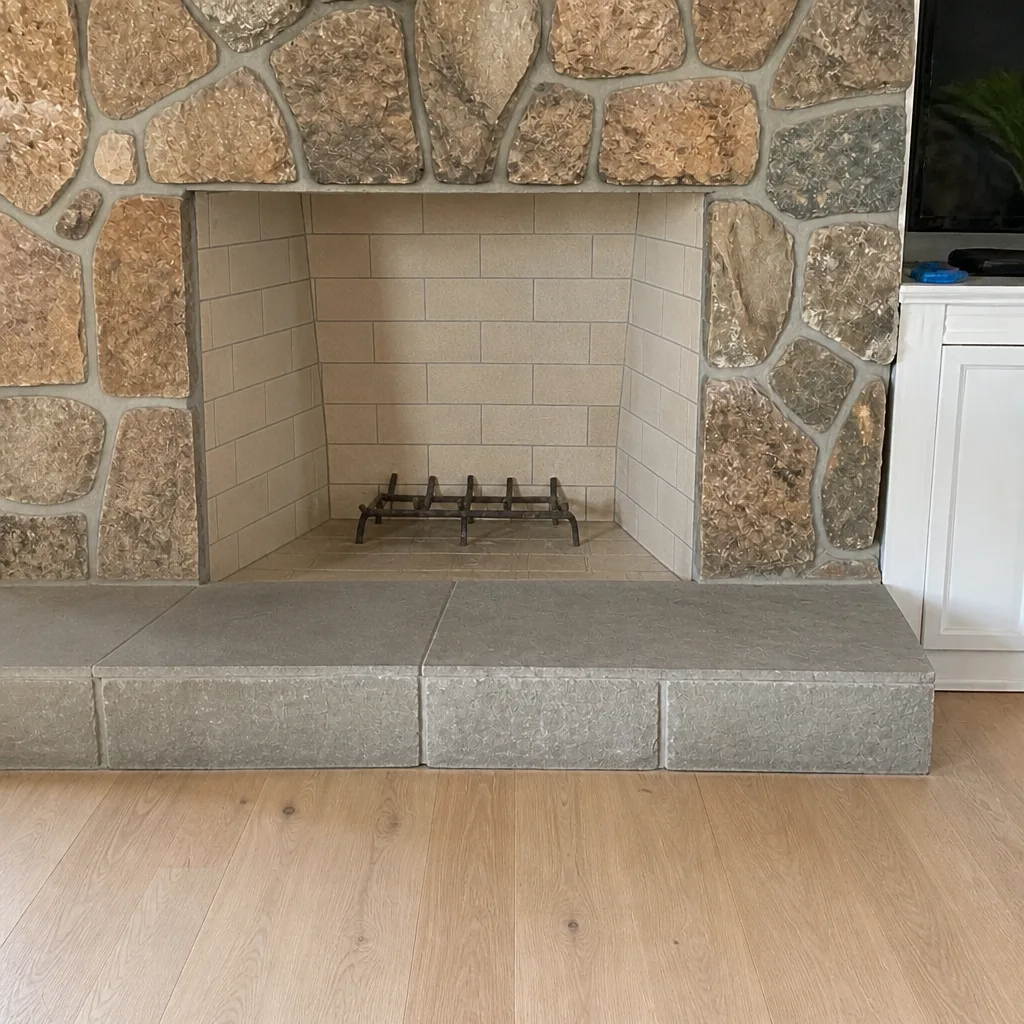
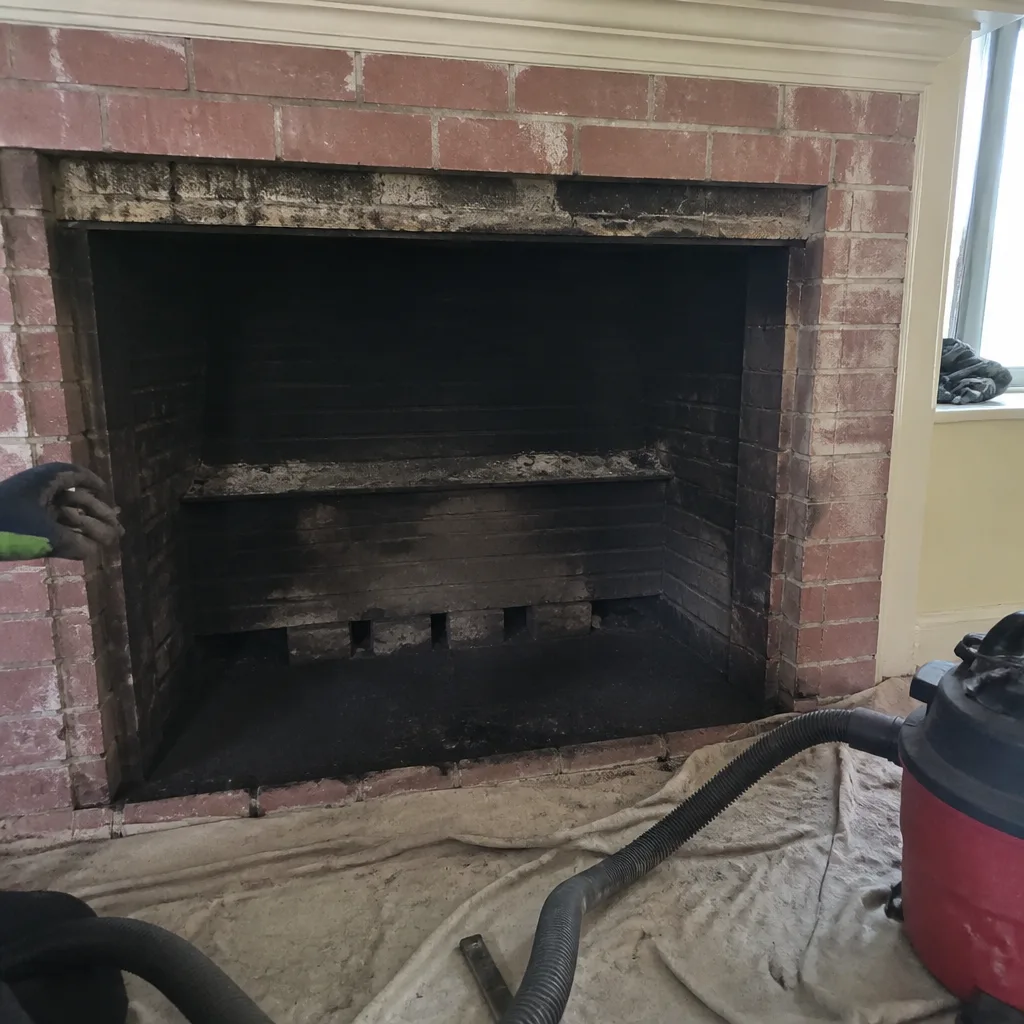
See the difference
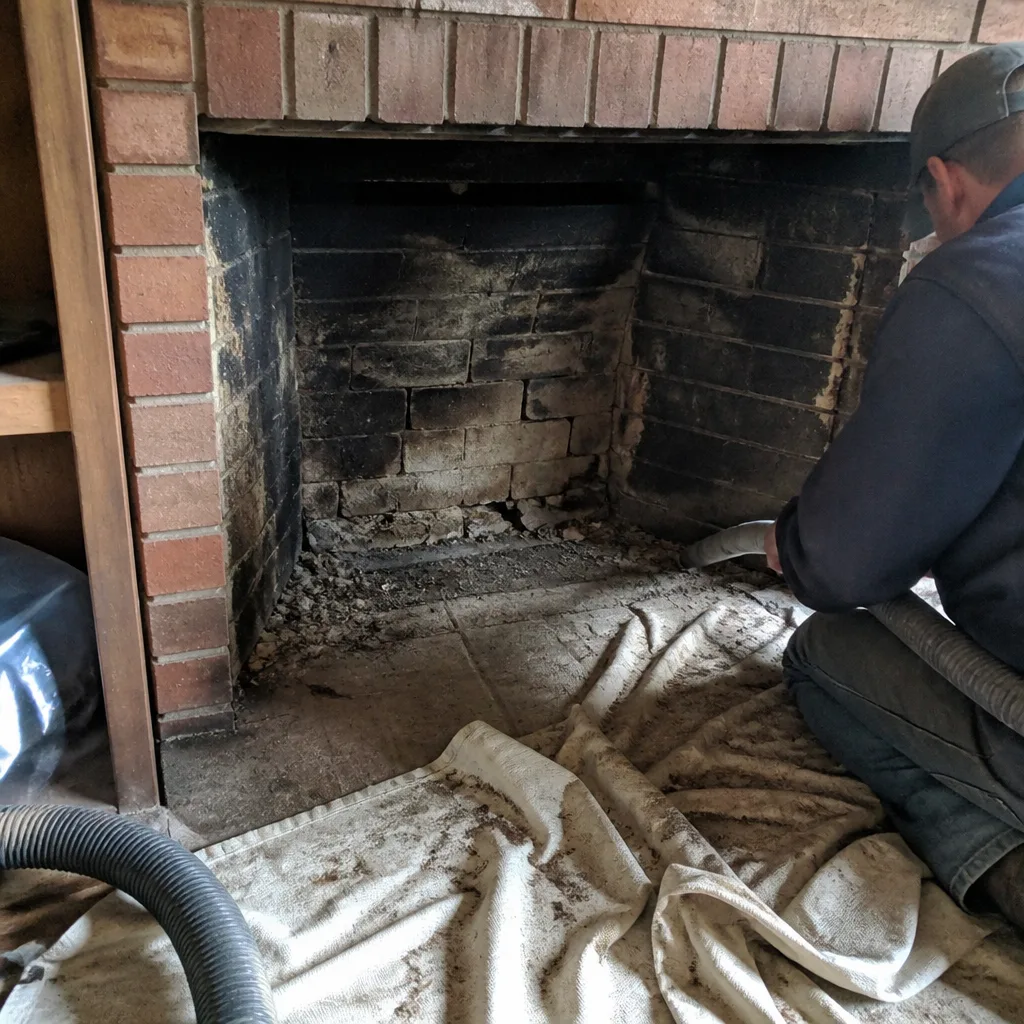 Before
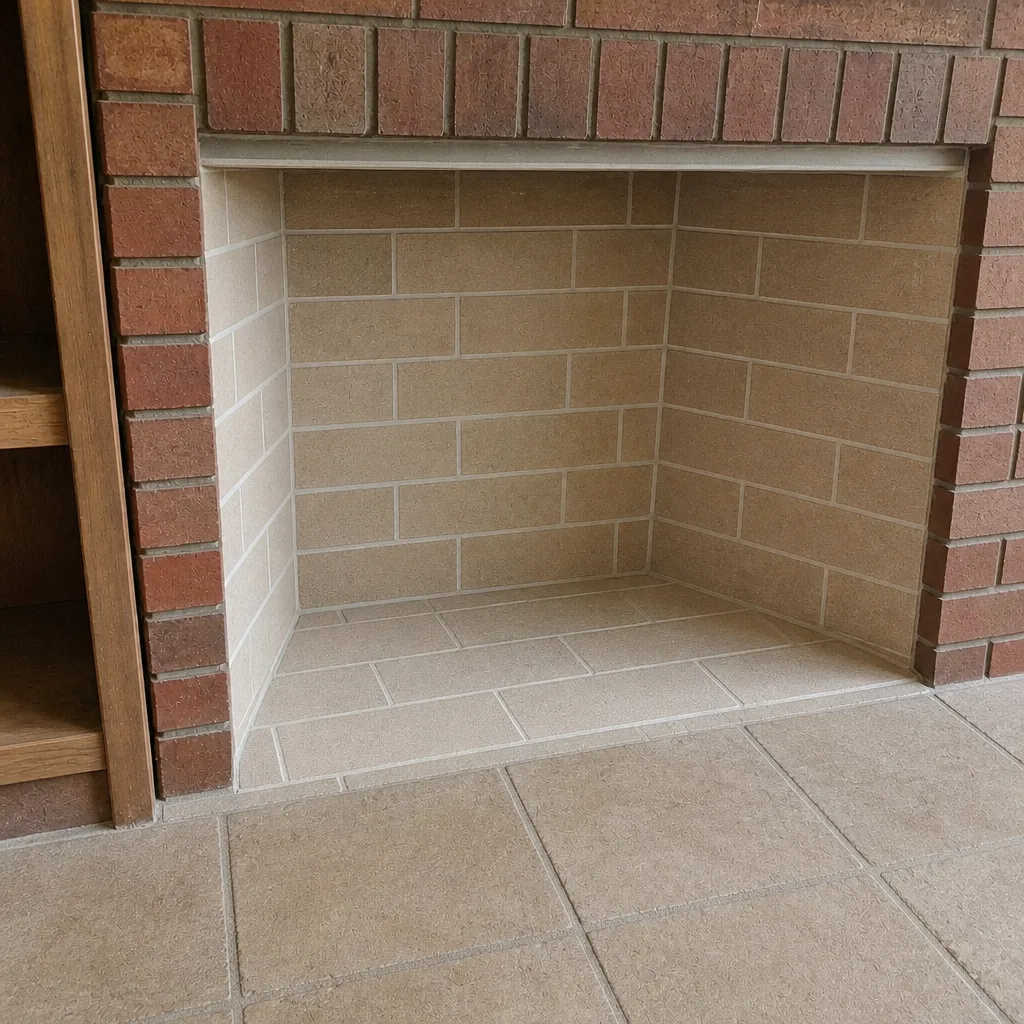 After
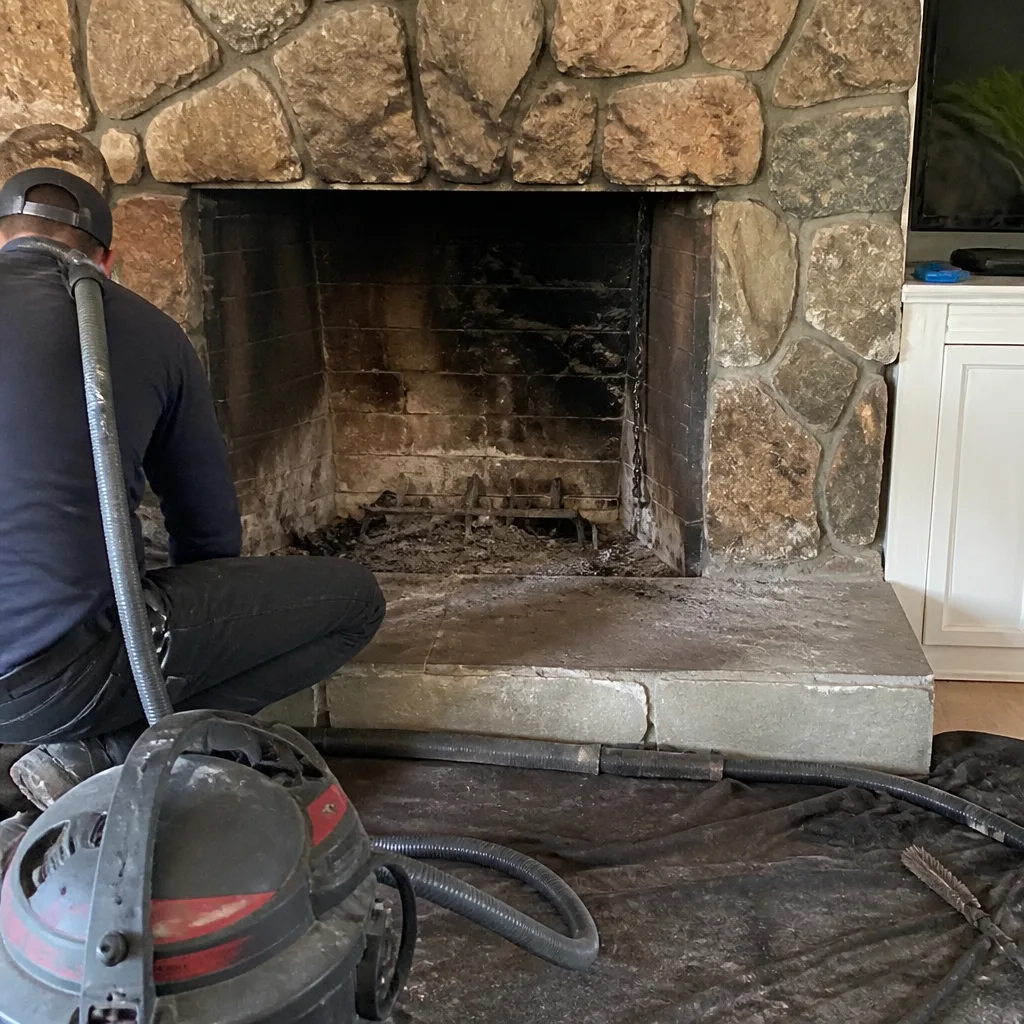 Before
 After
 Before
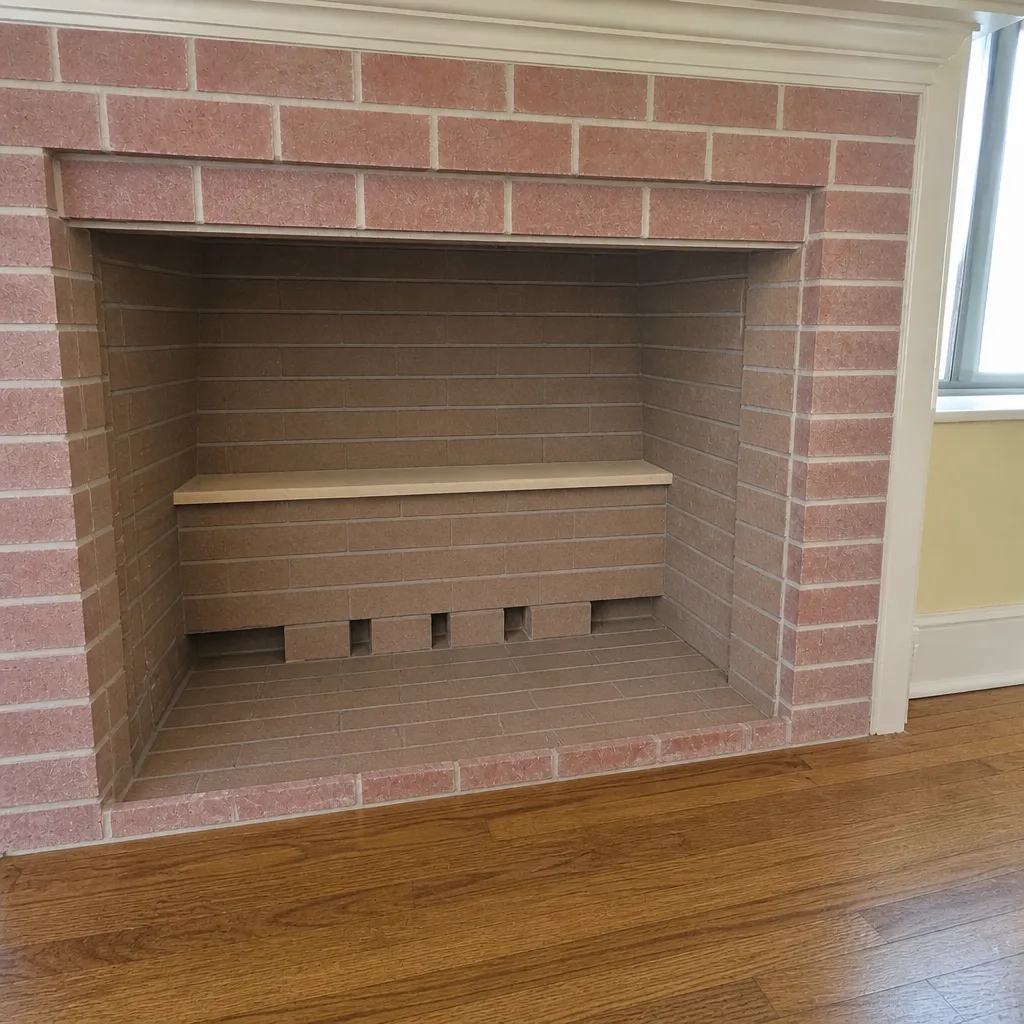 After
When to Call a Professional
Some situations clearly call for a professional, and it’s worth being direct about them. Call a professional if your Tacoma chimney hasn’t been inspected in a year or more. Call if you burn wood regularly and can’t recall the last professional cleaning. Call if the liner condition is unknown, if the home was built before 1980 with a clay tile or unlined masonry chimney, or if you’re preparing to sell and need documentation. Call if you noticed smoke backing up, a lingering smell, cracked firebox masonry, or visible damage to the crown or cap. Call if an inspector flagged your chimney and you need to respond. And call if you’re unsure whether DIY is safe for your specific chimney. Chimney Sweep Tacoma Pros offers free estimates in Tacoma, and our technicians can tell you honestly whether a DIY approach is reasonable or whether the system needs a professional look. Call (877) 820-8112. We answer 24/7. Fast dispatch from 7am to 7pm, Sunday through Friday.
Frequently Asked Questions
You can clean the accessible portion of a straight flue with a consumer brush kit, but that cleaning doesn’t include the liner inspection, smoke chamber, or exterior check that determine safety. For a gas fireplace with a stainless liner and a recent professional baseline, DIY maintenance is reasonable. For wood-burning fireplaces, and especially pre-1980 Tacoma homes with clay tile or unlined masonry, we’d recommend professional cleaning with camera inspection. Call (877) 820-8112 for an exact quote; estimates are free.
Typical professional chimney sweep pricing in the Tacoma area generally falls in a moderate range for a standard wood-burning chimney, with inspection and cleaning bundled. Cost depends on flue configuration, liner type, creosote level, and whether the roof needs access. The written estimate sets the final price, and it’s set per job rather than by a flat rate. Call (877) 820-8112 for an exact quote; estimates are free.
Most chimneys should be swept and inspected annually, or sooner if you burn heavily or notice creosote buildup. The general rule of thumb is that the flue needs cleaning when creosote reaches roughly an eighth of an inch, which is hard to judge without a camera and a trained eye. Annual professional inspection is the reliable way to set the right interval for your chimney. Call (877) 820-8112 to schedule an inspection; estimates are free.
Creosote accumulates in the flue, and Stage 2 glazed creosote is a highly combustible fuel source that can feed a chimney fire. Separately, a cracked or deteriorated liner can allow smoke and carbon monoxide to reach the living space instead of venting outside. Neither risk is visible from the firebox. In our experience, the danger compounds quietly over several skipped seasons. Call (877) 820-8112 for an inspection; estimates are free.
No. A DIY sweep leaves no documentation, while insurers generally want a dated record of professional inspection and maintenance after a chimney-related loss. A professional inspection report with findings and recommendations gives you a paper trail that a self-performed cleaning does not. We can’t predict how any specific claim will be decided, but the documentation difference is real. Call (877) 820-8112 to schedule a documented inspection; estimates are free.
Get a professional chimney inspection with camera findings before you schedule any repair. A home inspector’s note flags a concern, but it doesn’t always identify the cause, and a proper chimney inspection tells you whether the issue is a dirty flue, a cracked liner, a crown problem, or something else. Knowing that first prevents paying for the wrong fix. Call (877) 820-8112 for a free estimate; we’ll evaluate the chimney and explain what we find.
The Bottom Line
The DIY chimney cleaning decision comes down to diagnostic access, not elbow grease. A brush removes what you can reach; a camera and a professional eye see what you can’t. For a gas fireplace with a stainless liner and a recent professional baseline, light owner maintenance between annual visits is a smart, cost-effective approach. For wood-burning masonry chimneys, and especially the pre-1980 clay tile and unlined masonry chimneys common in Tacoma, professional cleaning with camera inspection is the safer bet. It gives you documentation for insurance and resale, catches liner problems before they become fires, and lets the same company do the repair if something’s found. A hybrid approach, professional baseline plus owner maintenance, is the practical answer for most Tacoma homeowners.
If you’re weighing DIY against professional cleaning for your chimney, we’re happy to look at your system and tell you what it actually needs. Call (877) 820-8112 for a free estimate. We answer 24/7. Fast dispatch from 7am to 7pm, Sunday through Friday. Whether the answer is a professional sweep, a repair, or reassurance that your chimney is in good shape, you’ll get findings you can see and a clear explanation of what to do next.
Written by the team at Chimney Sweep Tacoma Pros.