
Last updated November 25, 2026
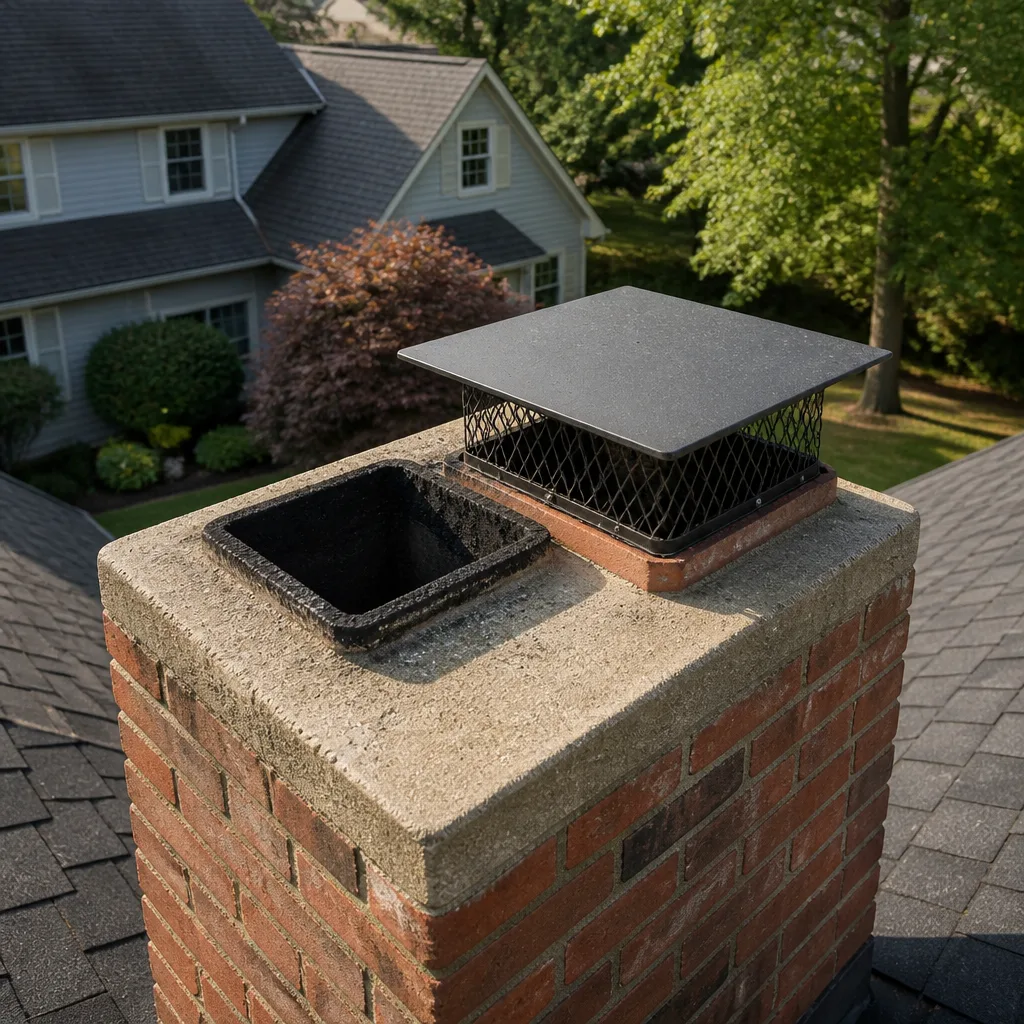 Sweep & inspection
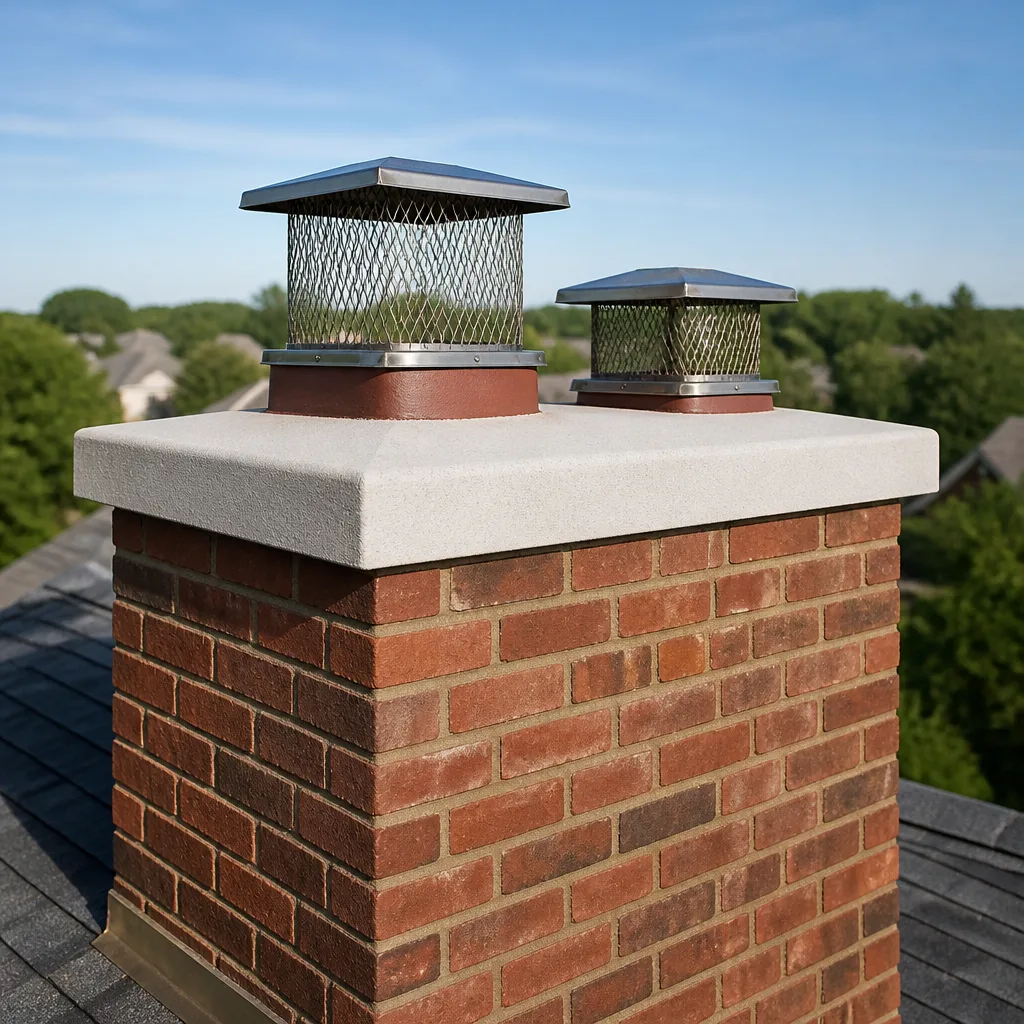 Caps & crowns
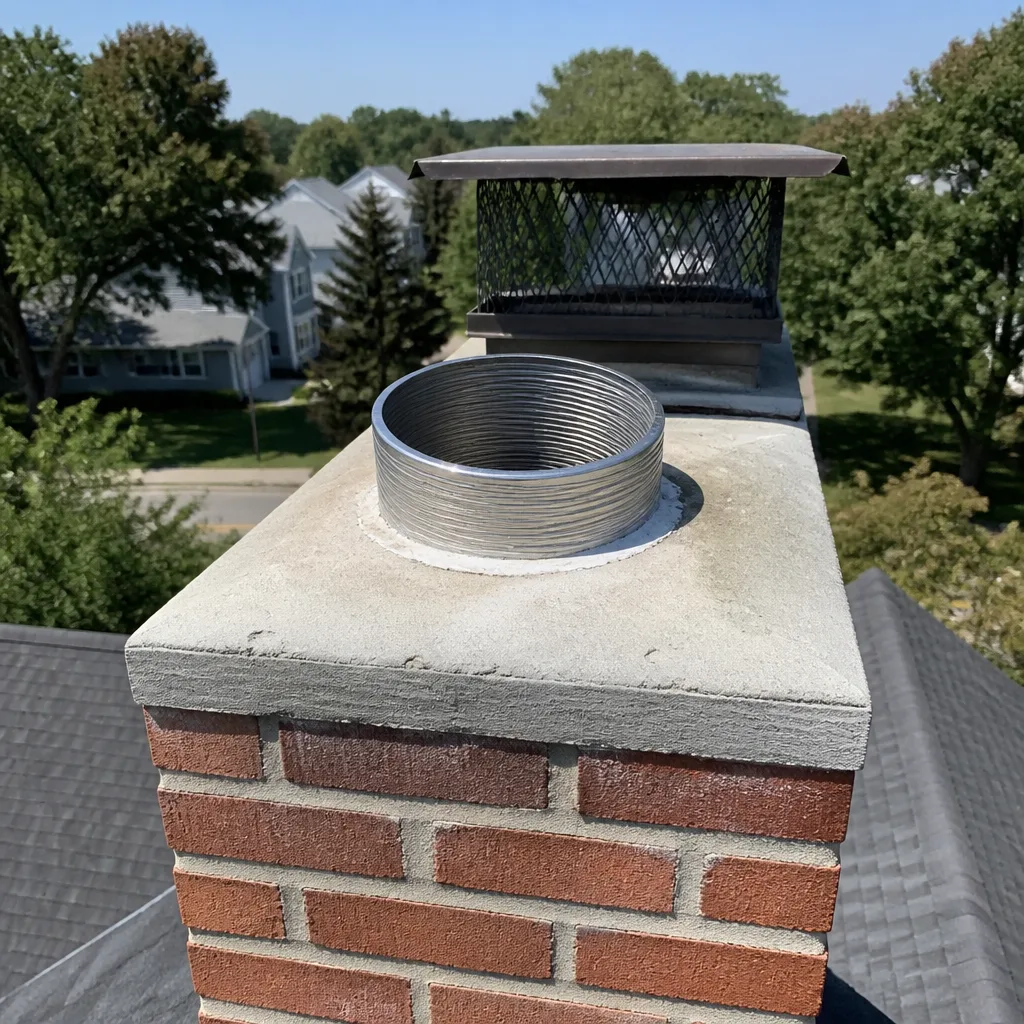 Flue relining
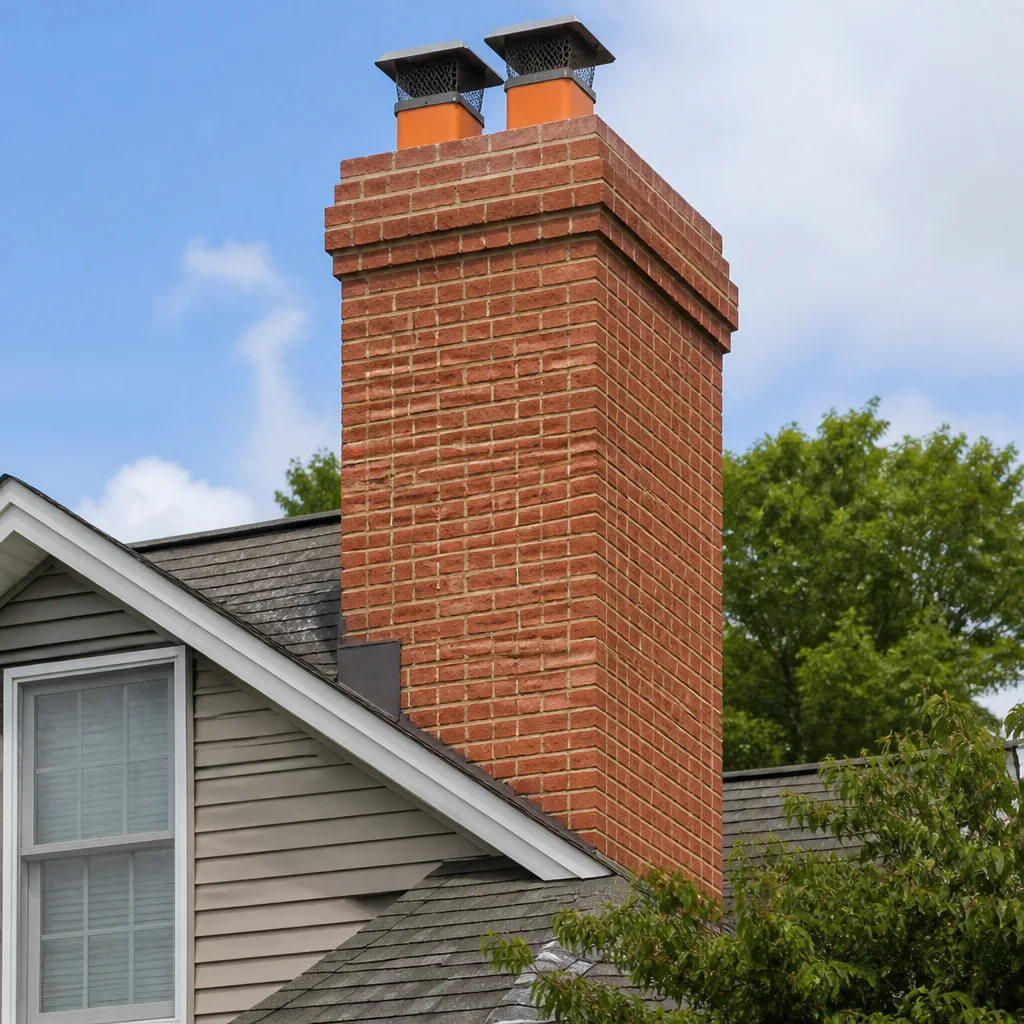 Masonry repair
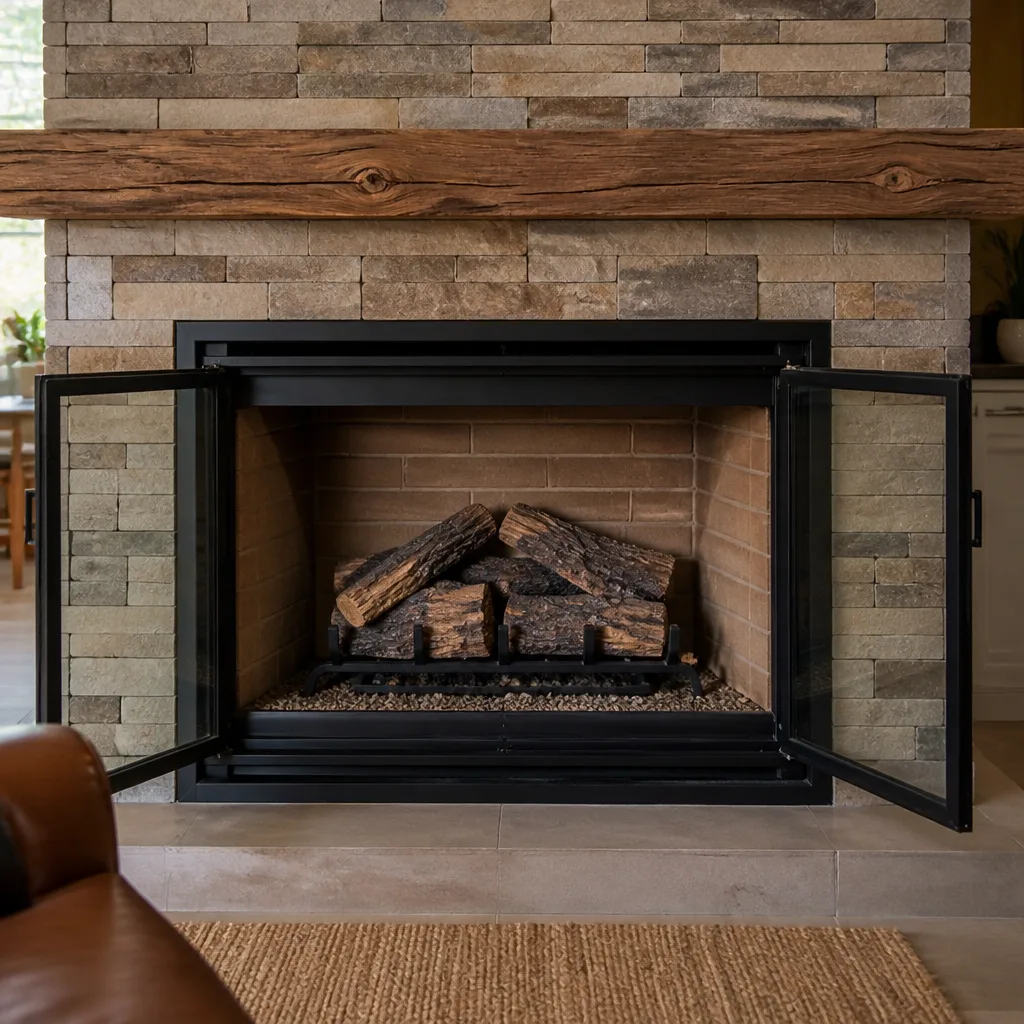 Gas fireplace service
Level 1 sweep and inspection to the NFPA 211 annual standard - flue, crown, cap, and flashing checked and photographed
Chimney sweep logs do not sweep chimneys. They loosen some creosote - which then falls where a brush and vacuum still have to collect it.
How to Hire a Chimney Cleaning Contractor in Tacoma: A Step-by-Step Guide
Most Tacoma homeowners assume a chimney sweep is a chimney sweep. The truth is less comfortable. Washington State does not require a chimney sweep to be certified before hanging a shingle, which means the person who shows up at your door may be a general handyman with a brush and a ladder. CSIA certification is the floor, not the ceiling. Plenty of registered sweeps in this state don’t carry the liability coverage or the camera equipment required to legally document a liner defect for an insurance claim. This guide walks you through the credential checks, the vetting questions, and the quote red flags that separate a real chimney specialist from a well-meaning generalist. Hiring right in Tacoma starts here.
Quick Answer
To hire a chimney cleaning contractor in Tacoma, verify three things before you book: current CSIA certification, an active Washington State business license, and general liability insurance that covers chimney-specific work. Then insist on a written condition report with photos of the liner and flue, a copy of the scope of work, and a clear statement of what’s excluded from the price. A contractor who can’t produce all five on request isn’t qualified to touch your chimney.
Styles & brands we work with
- Sweep & inspection
- Caps & crowns
- Flue relining
- Masonry repair
- Gas fireplace service
Table of Contents
- What Credentials Should a Tacoma Chimney Contractor Have?
- What Questions Should You Ask Before Booking?
- Red Flags in Chimney Sweep Quotes
- How to Read Online Reviews for Chimney Contractors
- What a Legitimate Service Agreement Should Include
- Why the Contractor Should Get on the Roof
- How a Pro Handles Hazardous Findings
- Why Tacoma’s Climate Changes the Hiring Math
What Credentials Should a Tacoma Chimney Contractor Have?
A qualified chimney contractor in Tacoma should hold current CSIA certification, an active Washington State business license with an appropriate contractor registration, and general liability insurance that specifically covers chimney and flue work. The CSIA credential matters because it requires passing a written exam, documented field experience, and continuing education to maintain. That’s the baseline. The insurance is the part homeowners overlook.
General liability insurance protects you if a technician damages your roof, your liner, or your home during the job. It also matters for something subtler: if the contractor finds a cracked liner and you need to file an insurance claim, the adjuster will want documentation from a credentialed, insured professional. A handwritten note from an uninsured handyman won’t satisfy the claim.
When you call to book, ask for three things up front:
- CSIA certification number. The CSIA maintains a searchable directory, so you can verify it independently in under a minute.
- Washington State Unified Business Identifier (UBI) number. The Department of Revenue and Department of Labor & Industries both use this. Ask for it and look it up.
- Certificate of insurance. Ask them to have their insurer email it directly to you. A photo of a certificate on someone’s phone is easy to fake; an email from the carrier is not.
If any of these gets deflected with “we’ve been doing this for years” or “we don’t keep that on us,” that’s your answer. Move on. Tacoma has enough qualified sweeps that you don’t need to gamble on the one who can’t produce paperwork. Our technicians hold up to 11 years of experience, and we’d rather you verify credentials on every call than take anyone’s word for it, including ours.
What Questions Should You Ask Before Booking?
Before you book a chimney sweep in Tacoma, ask five questions: what camera equipment they use to inspect the liner, whether they photograph and document their findings, how they handle hazardous discoveries like creosote glazing or cracked flue tiles, whether they get on the roof, and what their written condition report includes. The answers tell you more about competence than any review or website claim.
Here’s why each one matters.
What inspection equipment do you use?
A serious sweep uses a video camera on a flexible rod to inspect the interior of the flue, not just a flashlight and a mirror. The camera sees cracks, gaps in mortar joints, creosote glazing (the hard, shiny third-degree buildup that can’t be brushed off), and liner defects invisible from the firebox. If the answer is “we just sweep and look with a light,” that’s a sweep, not an inspection.
Do you photograph the liner?
Photos serve two purposes. They let you see what the contractor sees, and they document the condition of your chimney for future reference, insurance, and resale. A contractor who won’t photograph the liner is either unequipped or unwilling to be held accountable for what they found. Neither is good.
How do you handle hazardous findings?
This is the question most homeowners forget to ask, and it’s the most important. If the sweep finds a cracked liner, deteriorated mortar, or a blocked flue, what happens next? Do they stop and tell you? Do they hand you a report and leave? Or do they have the materials and expertise to fix it? At Chimney Sweep Tacoma Pros we keep DuraFlex and HeatShield on hand specifically because we repair what we find. No second contractor, no second appointment, no hand-off.
Will you get on the roof?
Roof-level inspection is a separate skill from flue cleaning. Caps, crowns, flashing, and chimney exteriors all fail over time, and none of them can be assessed from the ground. A sweep who won’t get on the roof is only doing half the job.
What’s in your written report?
The report should list every component you paid to have inspected: firebox, damper, smoke chamber, flue, cap, crown, and exterior. Each should be graded (typically on a scale from “satisfactory” to “requires immediate attention”) with photos attached. Anything less is a verbal summary you can’t hold anyone to.
Red Flags in Chimney Sweep Quotes
The single biggest red flag in a chimney quote is a contractor who won’t provide a written condition report. The second is a contractor who won’t get on the roof. Either one disqualifies them, no matter how good the price looks. A quote without a documented condition assessment is a promise, not a service, and you have no recourse if the work turns out to be incomplete.
Here are the others we see Tacoma homeowners walk into:
- Cash-only pricing. A contractor who won’t take a card or issue a written receipt is hiding from the tax authority, the insurer, or both. The cost to you is a paper trail you can’t produce when your insurance company asks for one.
- No CSIA number provided. If they claim certification but won’t give you the number to verify, they don’t have it.
- Quotes given sight-unseen. Chimney work is priced on condition. A firm quote over the phone without an inspection is either a guess or a bait number that will grow once the technician is on site.
- “You need a full reline” on the first visit. Sometimes you do. Often you don’t. A contractor who defaults to the most expensive solution without showing you the camera footage is selling, not diagnosing.
- No mention of what’s excluded. Every legitimate quote names what’s in scope and what isn’t. If yours doesn’t, ask. Anything omitted today becomes an “unexpected” charge tomorrow.
- Pressure to book immediately. Chimney maintenance is rarely an emergency. Any contractor trying to convert you on the call with “today only” pricing should be disqualified on principle.
One Tacoma-specific note: many homes in the North End and Proctor District have older masonry chimneys with original liners. These chimneys often need real work, but “real work” doesn’t always mean a full reline. Sometimes resurfacing with HeatShield restores a compromised flue without touching the existing structure. A contractor who only knows how to sell relines will sell you one whether you need it or not. A contractor who offers both options is worth the call. Our chimney sweep service includes a full written report so you can see exactly what’s there before anyone recommends anything.
How to Read Online Reviews for Chimney Contractors
Read chimney contractor reviews for specifics, not stars. A detailed review names the technician’s first name, describes the exact work performed, mentions the report they received, and explains what went well or what didn’t. A generic review that says “great service, highly recommend” tells you nothing and is often a compensated placeholder. The pattern across twenty reviews matters more than any single one.
Here’s what to look for:
- Specific service descriptions. “They came out, inspected the flue with a camera, and showed me photos of a cracked tile” is a real review. “Excellent work, five stars” is not.
- Reviews that name the problem they found. Homeowners who describe creosote buildup, a failed crown, or a corroded cap are reporting real diagnoses. That tells you the contractor actually diagnoses.
- Follow-up work mentioned. A good sign is a review that says “they found the issue and fixed it the same visit.” A common warning pattern is “they told me I needed a reline but couldn’t show me photos.”
- Consistency across platforms. Look at the volume and the tone on Google, Yelp, and the Better Business Bureau. A contractor with a modest number of detailed reviews across several platforms is more credible than one with an avalanche of short, glowing reviews on a single site.
- Response from the business. Contractors who respond to negative reviews with specifics (“we’re sorry we missed the crown inspection, we’ve since added it to our checklist”) are running a real operation. Contractors who delete or ignore complaints aren’t.
Skip the “best chimney sweep in Tacoma” listicles. They’re usually paid placements. Read the actual customer language instead. In our experience, homeowners who take ten minutes to read reviews carefully end up booking the right contractor the first time.
What a Legitimate Service Agreement Should Include
A legitimate chimney service agreement should include the full scope of work, a statement of what’s excluded, the price and payment terms, the timeline, a description of the condition report you’ll receive, and a clear procedure for what happens if additional issues are discovered mid-job. Anything less leaves you exposed. The document should be in writing before any work begins.
Break it down like this:
- Scope of work. Which components are being cleaned and which are being inspected? Firebox, damper, smoke chamber, flue, cap, and crown should all be named. “Chimney sweep” alone is too vague.
- Exclusions. What is the contractor specifically not doing? Are roof repairs excluded? Masonry rebuilds? Appliance disconnection? Every quote should list these explicitly.
- Price and payment terms. The total, the deposit (if any), and the accepted payment methods. Written, not verbal.
- Timeline. When will the work be performed, and how long is it expected to take? How are delays handled?
- Deliverable. Is a written condition report with photos included, or is that extra? It should be included.
- Discovery procedure. What happens if the sweep finds a serious defect? The agreement should say clearly: work pauses, you’re notified, and any additional work is quoted separately and approved in writing before it proceeds.
- Warranty terms. If the contractor provides a warranty on their work, it should be in writing, with a clearly stated duration and what voids it.
The single most important line in any agreement is the discovery procedure. That’s the line that prevents surprise bills. A professional contractor builds that clause into every quote because they know chimney conditions change once the camera goes up the flue. Our fireplace repair agreements include it as standard language.
Why the Contractor Should Get on the Roof
Your chimney has two halves: the interior (firebox, damper, smoke chamber, flue) and the exterior (chimney stack, cap, crown, flashing, and masonry). Sweeping the flue from the firebox only covers half the job. The exterior is where most Tacoma water intrusion starts, and it can’t be assessed from the ground.
The two exterior components that fail most often are the cap and the crown. The cap is the cover on top that keeps rain and animals out of the flue; when it’s damaged or missing, water enters directly into the flue liner. The crown is the concrete or masonry surface at the very top of the chimney that slopes water away from the stack; when it cracks, water seeps into the masonry itself, freeze-thaw cycles widen the cracks, and the entire chimney begins to deteriorate.
Both of these are relatively inexpensive to repair and catastrophically expensive to ignore. A contractor who won’t get on the roof to look at them is telling you they can’t spot the problems before they compound.
When we install a chimney cap & crown, we use purpose-built components from Gelco and Olympia Chimney. Not field-fabricated covers, not generic hardware-store substitutes. The brands matter because a properly sized, properly anchored cap can outlast the chimney itself, while a cheap fascia-mount cover lasts five or six years and then becomes a water trap.
Ask your contractor two questions about the roof: “Will you get up there?” and “What do you look at once you’re there?” The second question is the one that separates the trades from the pretenders. An experienced sweep walks the entire chimney on every visit, not just the flue entrance.
How a Pro Handles Hazardous Findings
A professional chimney contractor stops work immediately when serious hazardous findings turn up, notifies the homeowner with photographic documentation, explains the risks in plain language, and provides a written recommendation for remediation. If the hazard is severe (a cracked flue liner, for example), they recommend no further use of the chimney until repairs are completed. That’s the standard.
The three most common hazardous findings in Tacoma-area homes:
- Cracked or deteriorated flue liner. A liner that has cracks or gaps allows heat and combustion gases (including carbon monoxide) to escape into the surrounding masonry and into the home. This is the single most important defect an inspection can catch, and it’s why a video camera matters. Cracked liners are rarely visible from the firebox.
- Glazed creosote. Creosote in the flue starts as a soft, flaky deposit and progresses to a hard, tar-like glaze that clings to the walls. Glazed creosote is difficult to remove with a brush alone and is highly flammable. It’s the fuel source in most chimney fires.
- Blocked flue. Bird nests, squirrel nests, fallen masonry, and accumulated debris can block the flue entirely. A blocked flue pushes smoke and carbon monoxide back into the living space instead of up and out. This can happen in a chimney that looks perfectly fine from the firebox.
When a chimney sweep finds one of these, the response should follow a pattern:
- Stop work immediately.
- Photograph and document the finding.
- Explain the risk in plain language.
- Provide a written recommendation with cost estimates for remediation.
- Advise on whether the chimney is safe to use before remediation.
The best outcome is when the contractor can actually fix what they found. An inspection without repair capability is just a report. Our team uses HeatShield for flue resurfacing on minor damage and DuraFlex flexible stainless-steel liner systems when a full reline is necessary. Both options are in the toolkit, so the recommendation comes from condition, not from what the contractor happens to sell.
Why Tacoma’s Climate Changes the Hiring Math
Tacoma’s wet winters and temperate springs drive more chimney water intrusion than most homeowners realize. Chimneys here see consistent rain from fall through early spring, then bright sun and warmer temperatures through summer. That wet-dry cycle is what cracks concrete crowns and mortar joints, and it’s why cap and crown inspection should be a routine part of every sweep visit, not an afterthought.
The practical upshot for hiring: any contractor you bring in should be looking at water intrusion risk first, not just creosote. Tacoma’s older masonry chimneys, common in the North End, Stadium District, and parts of Proctor, have often been through decades of wet-dry cycles. Crowns crack. Mortar washes out. Flashings pull away from the roof. All of it lets water into the system, and once water is in the chimney, the damage compounds every season.
That’s why we’ve built the business around the entire system, from cleaning through cap and crown work to liner restoration using DuraFlex liners when the flue structure calls for it. Your chimney is a system: cap, crown, liner, firebox, and flue all work together. Fix one piece and the others will fail if they haven’t been assessed. Hire a contractor who understands the system, not just the brush.
Common Mistakes to Avoid
- Hiring on price alone. In Tacoma, quotes for a basic sweep can vary widely, and the cheapest option is almost always the one without liability insurance or a written condition report. The savings vanish the first time something goes wrong.
- Not asking for the CSIA number. “Certified” gets used loosely. Always verify the number independently through the CSIA directory before the technician arrives.
- Accepting a phone quote without an inspection. Chimney work is priced on condition. A firm number given over the phone without an inspection is either a guess or a bait number.
- Booking a sweep that won’t get on the roof. Roof-level inspection is where most water intrusion and structural problems are caught. A sweep who stays on the ground is doing half the work.
- Not requesting the condition report in writing. A verbal summary dissolves the moment the contractor leaves. Get it in writing, with photos, before you pay.
- Skipping the annual inspection. A sweep every year is the cheapest chimney insurance you can buy. Missing two or three years in a row in Tacoma’s climate often means a repair that would’ve been cheap is now expensive.
- Ignoring the exterior. The cap and crown are the leading cause of water intrusion. Any contractor who doesn’t inspect them on every visit is leaving the most fragile part of the system unchecked.
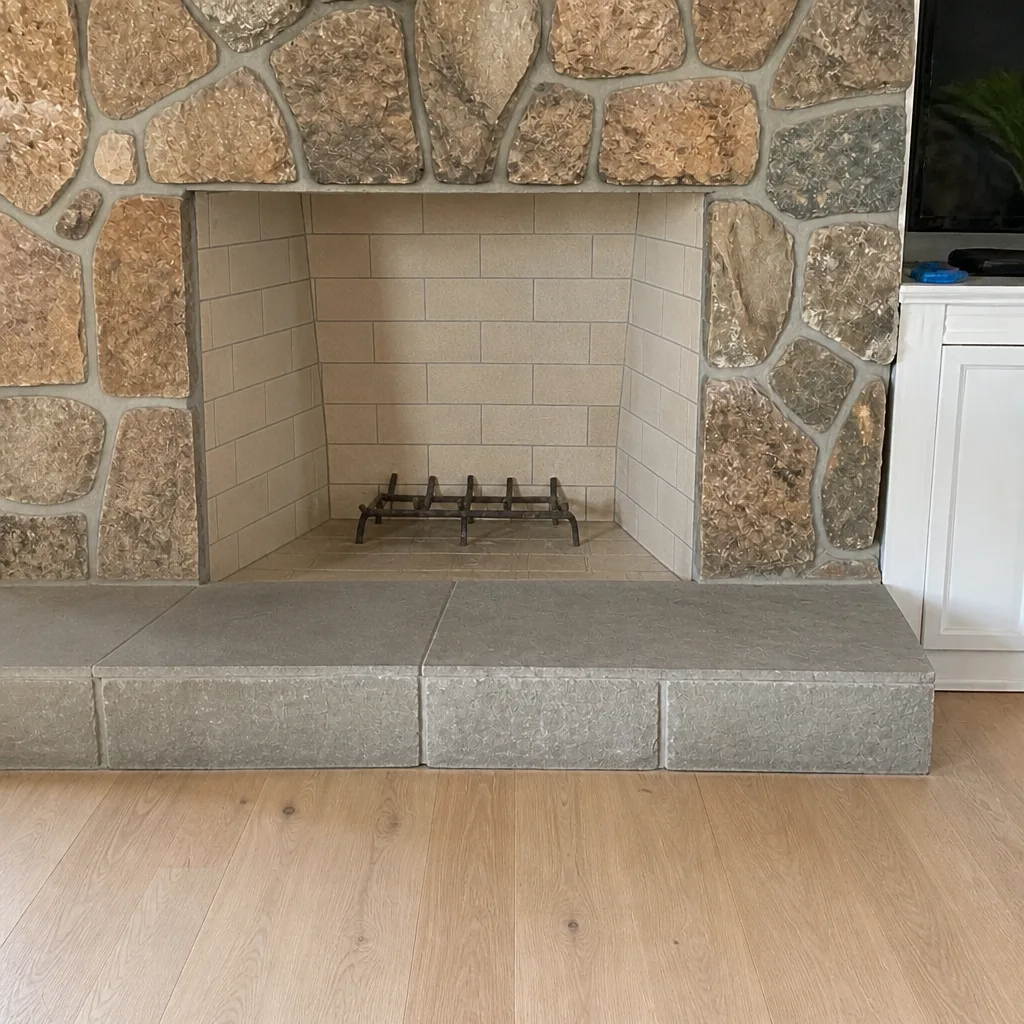
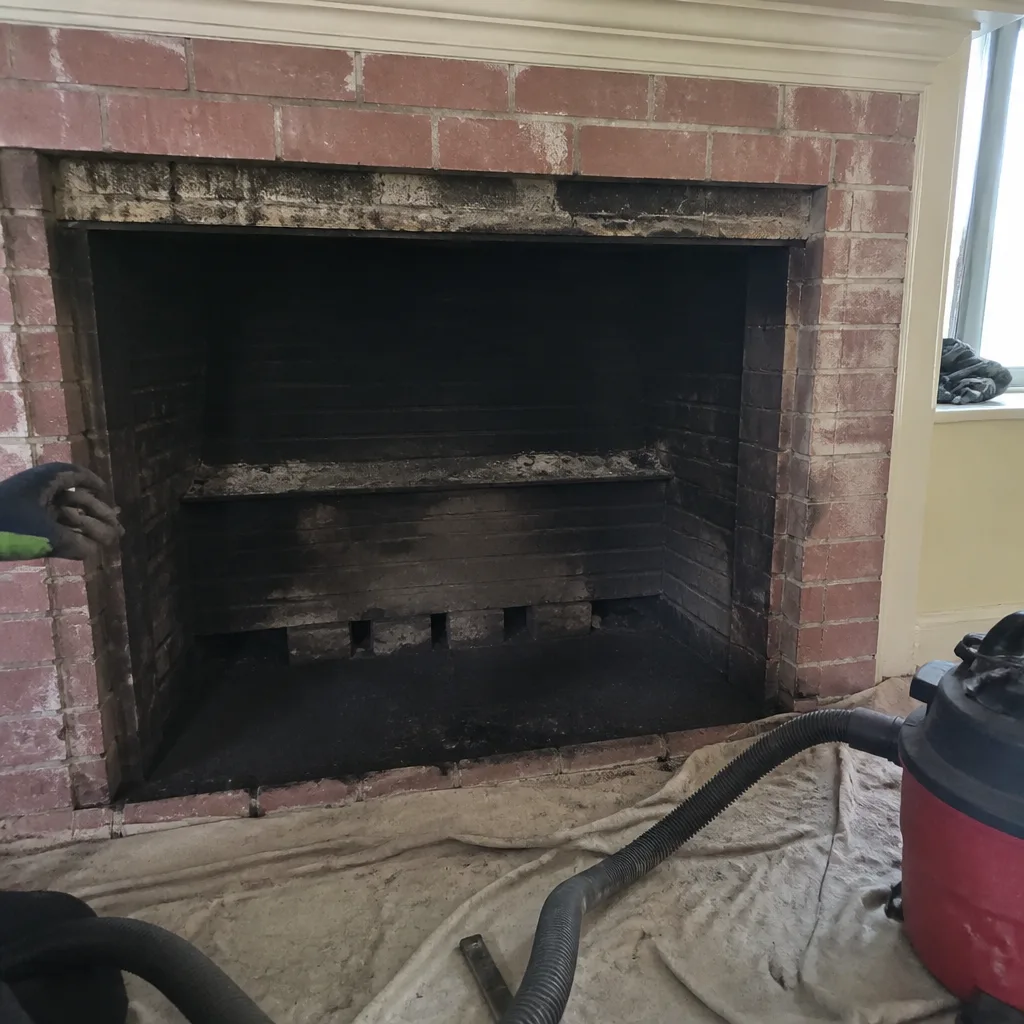
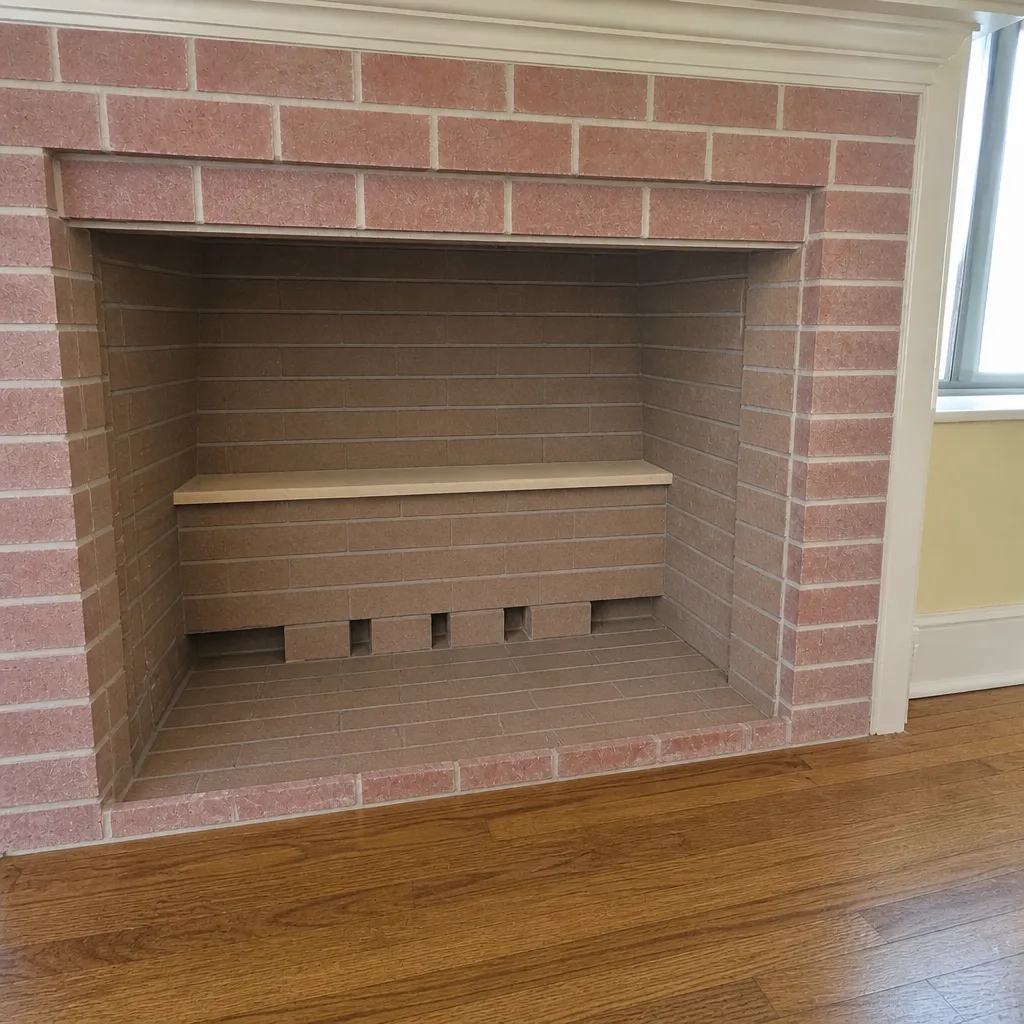
See the difference
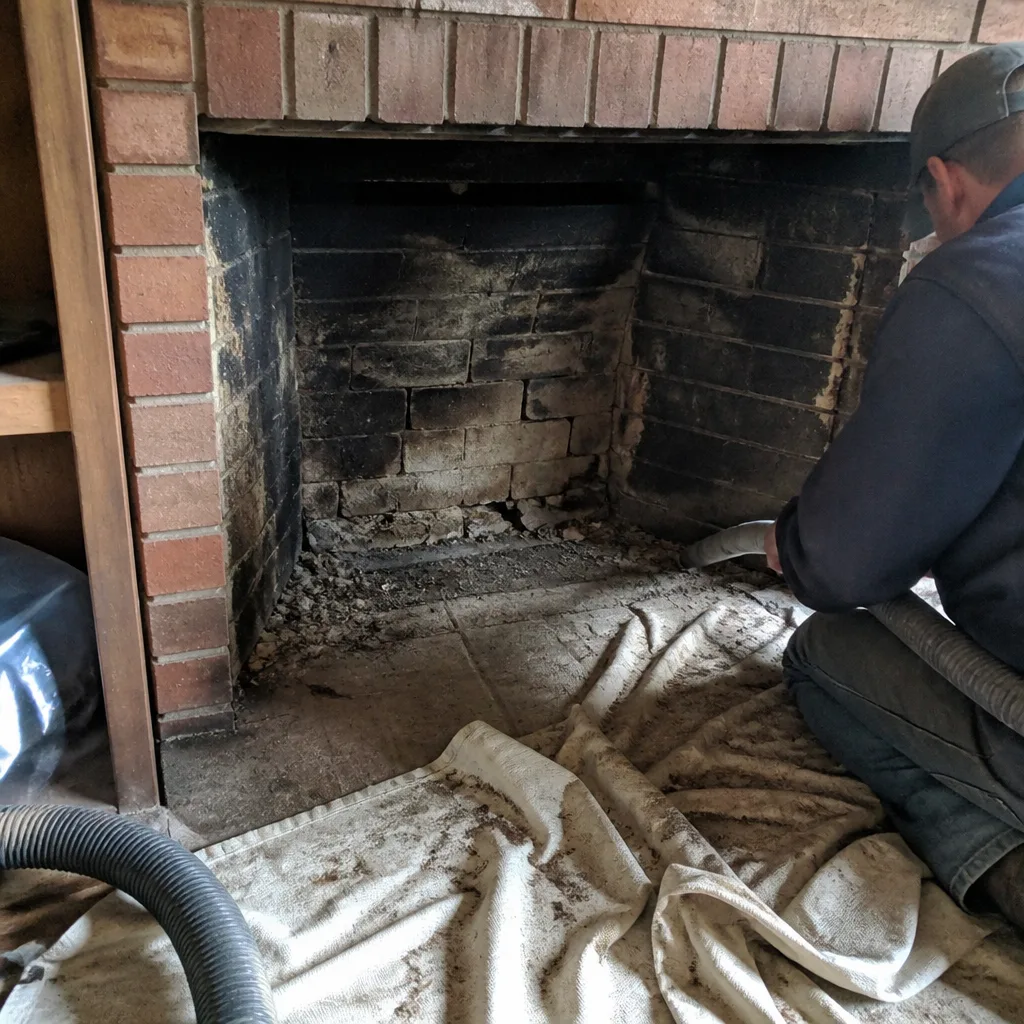 Before
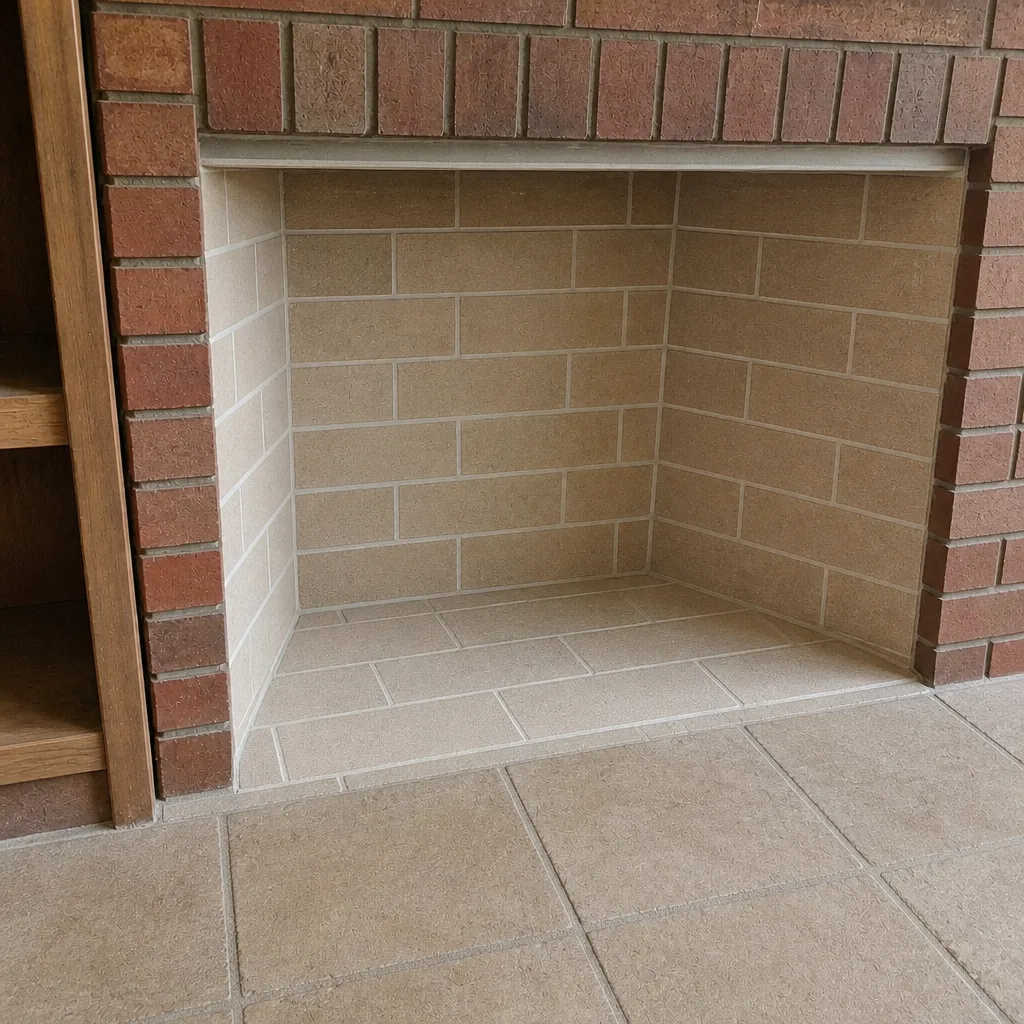 After
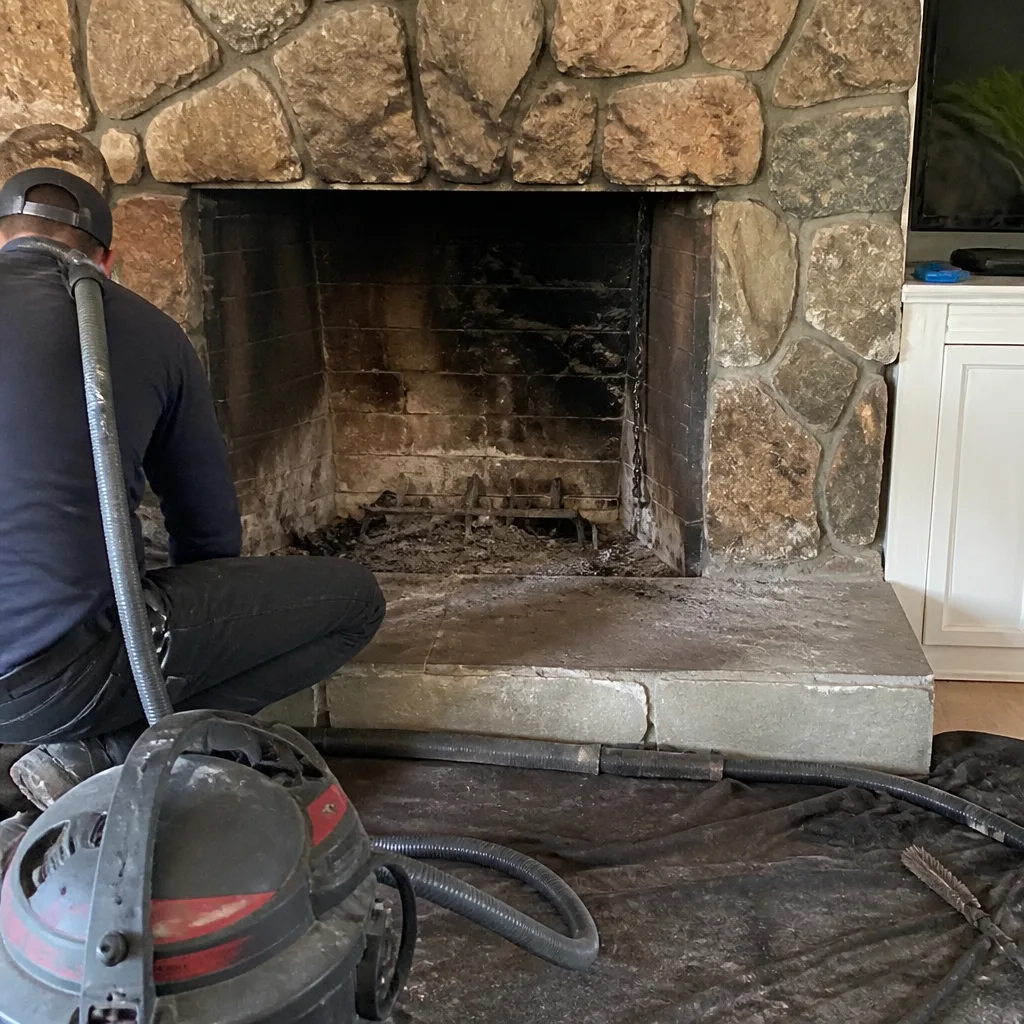 Before
 After
 Before
 After
When to Call a Professional
Call a professional chimney contractor in Tacoma when you notice reduced draft (smoke entering the room instead of going up the flue), when you smell a strong creosote odor in warm weather, when you spot cracks in the chimney crown or missing chunks in the cap, when you’re preparing to sell a home and need documentation for the disclosure, or when your home inspector flags the chimney. The most common interval for a sweep is once per year for a wood-burning fireplace, though gas fireplaces typically need inspection less often.
If you haven’t had your chimney looked at in over two years, book an inspection before you burn again. Tacoma’s wet seasons accelerate masonry wear and turn small cracks into larger ones. Chimney Sweep Tacoma Pros offers free estimates in Tacoma. Call (877) 820-8112. We answer 24/7. Fast dispatch from 7am to 7pm, Sunday through Friday.
Frequently Asked Questions
A basic chimney sweep in Tacoma typically ranges from $150 to $300 depending on the type of chimney, accessibility, and how much buildup is present. Inspections with camera equipment and a written condition report often add $100 to $250. Repairs and relines are quoted separately based on condition. Call (877) 820-8112 for a free estimate; the written estimate sets the final price.
Not always. Cracked or deteriorated liners can sometimes be restored with HeatShield flue resurfacing rather than fully replaced. Full reline with a flexible stainless-steel system like DuraFlex is necessary when the structural integrity of the original flue is compromised beyond what resurfacing can address. The right answer depends entirely on what the camera sees. Ask your contractor to show you the footage so you can judge for yourself.
Once per year for a wood-burning fireplace that sees regular use, and every other year for an occasional-use fireplace. Gas fireplaces usually need inspection every two years unless they’re seeing heavy use. Tacoma’s climate accelerates exterior wear, so annual cap and crown checks are worth adding to the schedule even in years you skip the sweep. Call (877) 820-8112 to book yours.
Creosote accumulates in the flue with every fire, and once it reaches the glazed stage it becomes highly flammable. Skipped sweeps are the leading cause of chimney fires in wood-burning homes. Cracks in the flue liner also go unnoticed and allow carbon monoxide to escape into the home. It’s not a matter of if but when the missed maintenance creates a problem. Call (877) 820-8112 to schedule a sweep or full inspection.
A CSIA-certified inspection with a written condition report and photographic documentation typically satisfies both insurance claims and home-sale disclosure requirements. Uncertified sweeps’ reports are often rejected by adjusters and title companies. Ask before you book what the report will include and whether the contractor is CSIA-certified. Call (877) 820-8112 if you need a documented inspection for a sale or claim.
You don’t need to be home for the entire job, but you should be available at the start to grant access and at the end to review the findings and receive the written report. Since repairs are often discovered during the sweep and recommended immediately, it helps to be reachable while the technician is on site. Call (877) 820-8112 to book a visit around your schedule.
The Bottom Line
Hiring the right chimney contractor in Tacoma comes down to checking credentials, asking the right questions, and setting expectations in writing before anyone shows up. Verify CSIA certification, business license, and insurance. Insist on a written condition report with photos of the liner and flue. Confirm the contractor will get on the roof to check the cap, crown, and masonry. Read reviews for specifics, not star count. Get the scope of work and exclusions in a written agreement, and make sure the discovery procedure is spelled out.
Do those things and you’ll avoid the two-cost mistake: once for the wrong service, and again to fix what was missed. For a documented sweep, inspection, or repair in Tacoma, our team at Chimney Sweep Tacoma Pros is one call away. Book your visit through our Chimney Sweep Tacoma Pros page or reach us directly.
Contact Us
Ready to book a chimney sweep, inspection, or repair in Tacoma? Call (877) 820-8112 for a free estimate. We’ll walk you through what your chimney needs, show you the evidence, and give you a written quote before any work begins. We answer 24/7. Fast dispatch from 7am to 7pm, Sunday through Friday.
Written by the team at Chimney Sweep Tacoma Pros.