
Last updated November 25, 2026
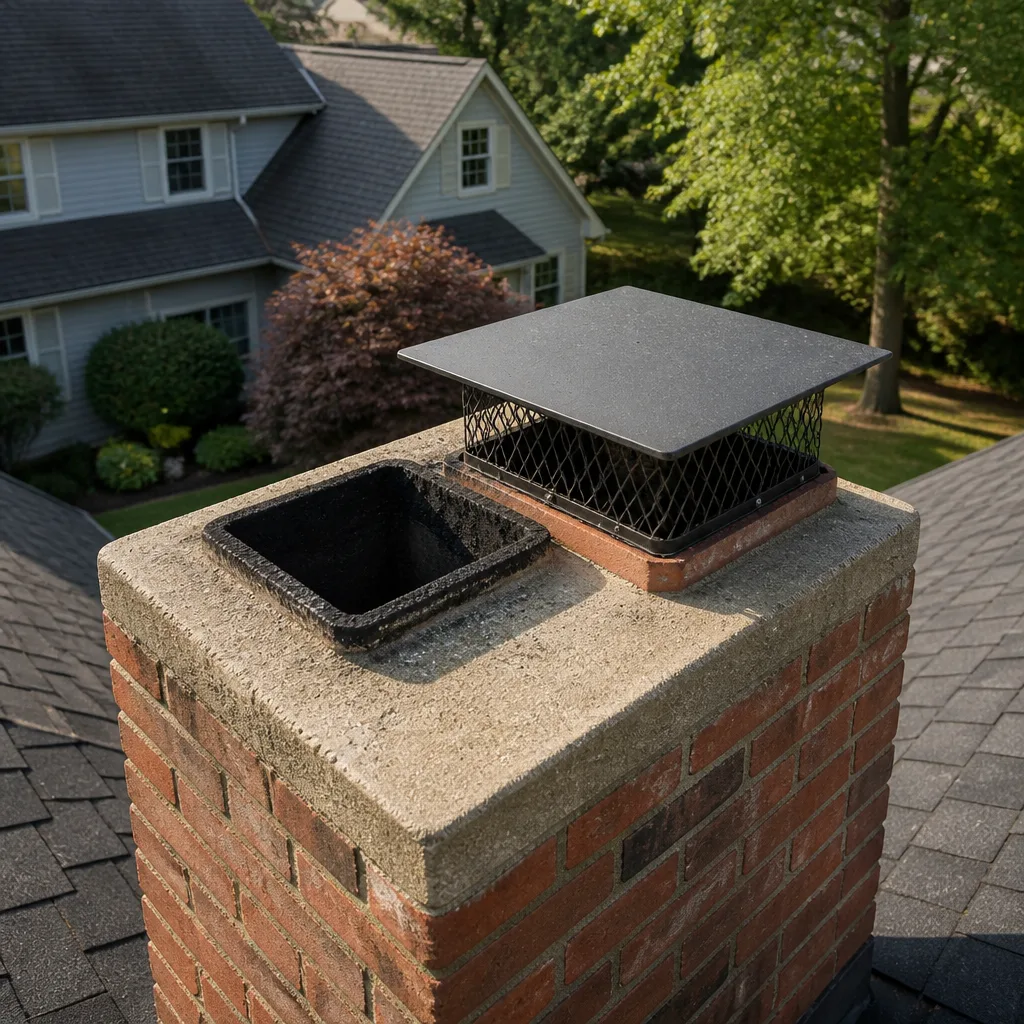 Sweep & inspection
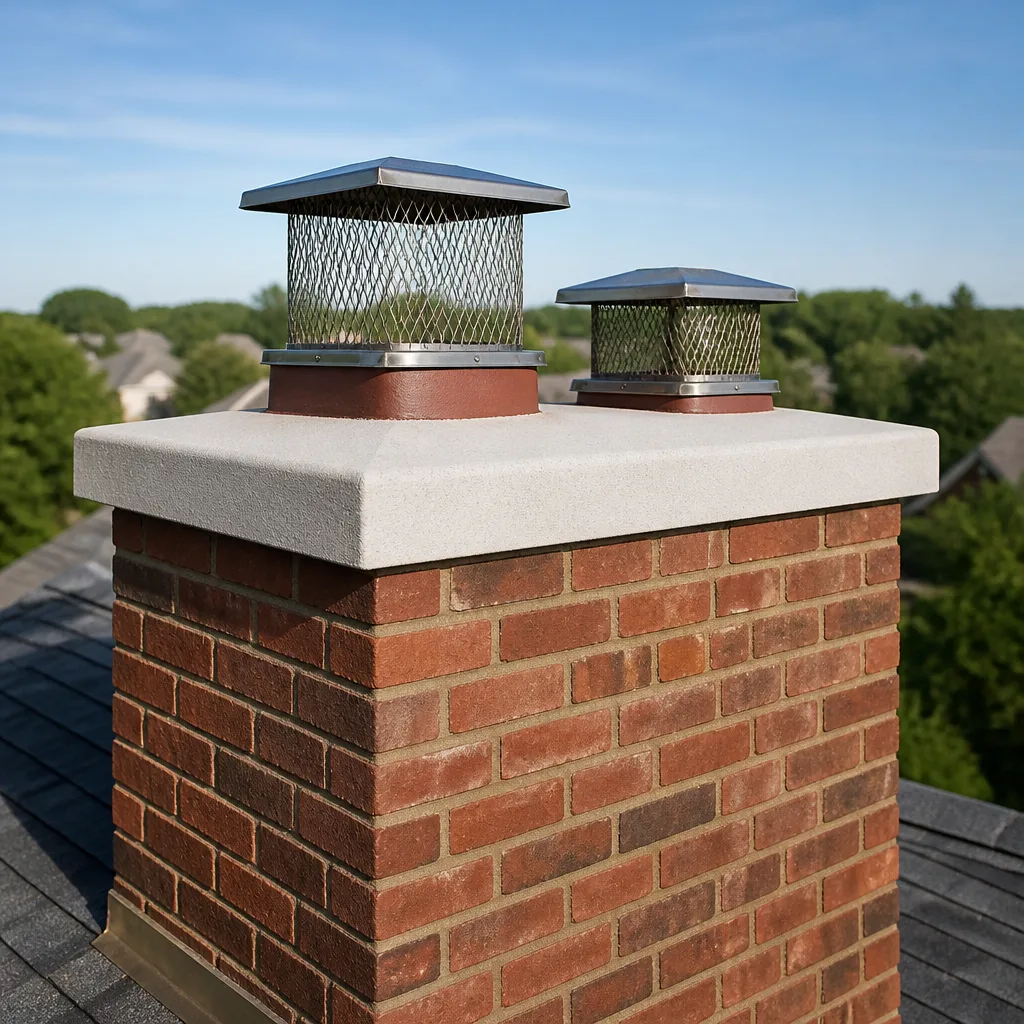 Caps & crowns
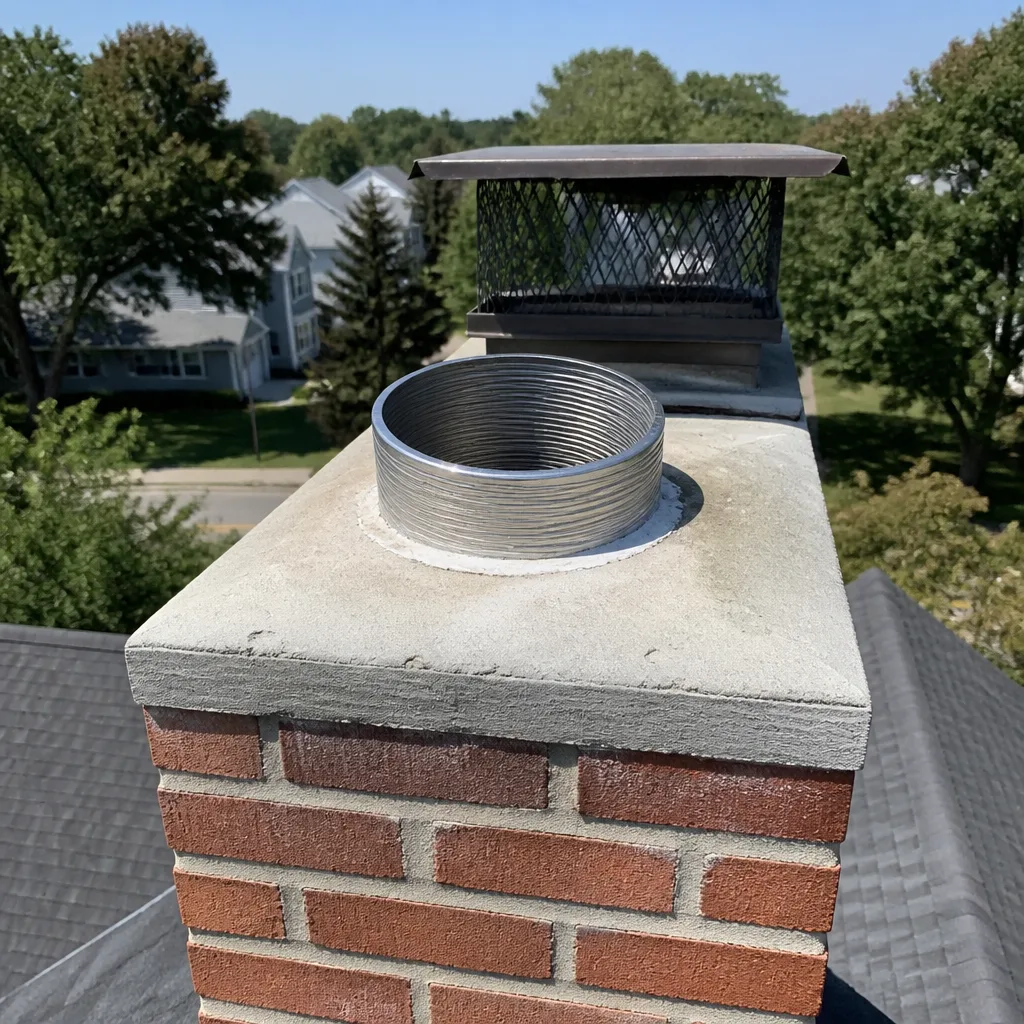 Flue relining
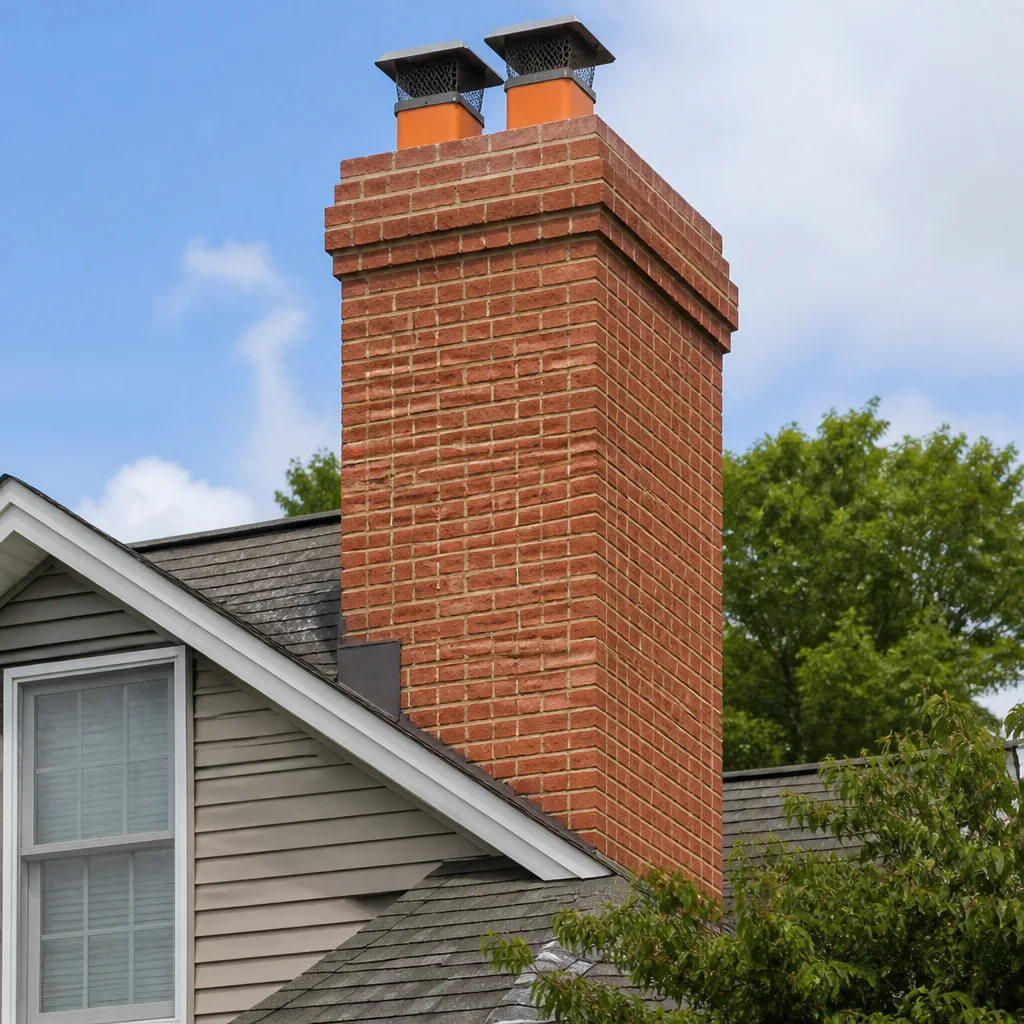 Masonry repair
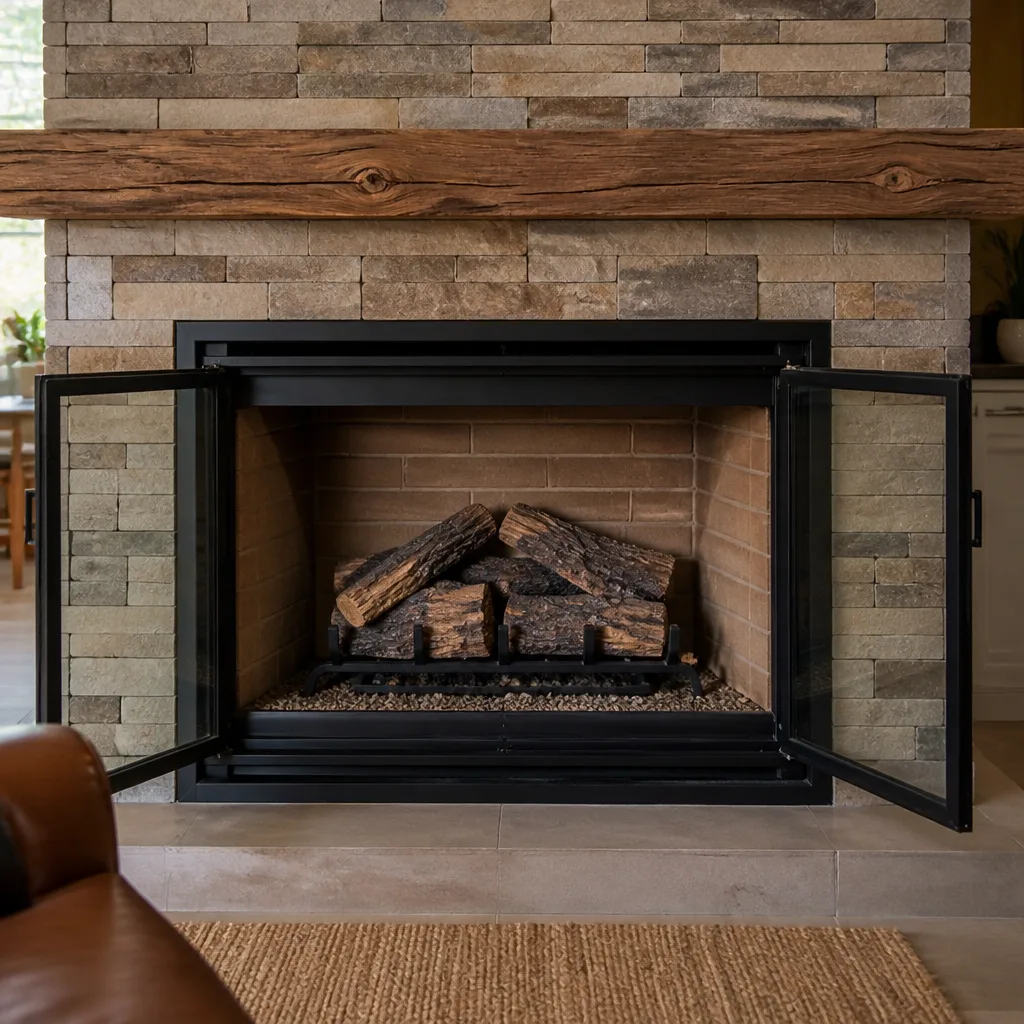 Gas fireplace service
Level 1 sweep and inspection to the NFPA 211 annual standard - flue, crown, cap, and flashing checked and photographed
Chimney sweep logs do not sweep chimneys. They loosen some creosote - which then falls where a brush and vacuum still have to collect it.
The Complete Guide to Chimney Cleaning in Tacoma
Most chimney fires in the Pacific Northwest don’t start from pure neglect. They start from the way wet wood, mild winters, and long low smoldering fires combine to lay down glazed creosote that a standard stiff brush simply slides over. That’s the counterintuitive part. A homeowner here can sweep every autumn, keep the firebox tidy, and still be sitting on a dangerous deposit because the burn cycle in Tacoma’s shoulder seasons is nearly perfect for producing it. Across this guide we’ll walk through the three stages of creosote, why moisture and our rainfall load matter between burns, what a Level II inspection actually does, and what a completed cleaning should document for you. Because up close, cleaning here is a system-level job, not a quick soot removal.
Quick Answer
Chimney cleaning in Tacoma means removing creosote, soot, and blockages from the entire flue system, then documenting what we found. It’s not just a brush down the pipe: glazed creosote needs chemical treatment before brushwork, and the firebox, smoke chamber, liner, crown, and cap all get checked because they work as one unit. Most Tacoma homes should be swept and inspected annually, and a Level II inspection with photos is the baseline for any house with an aging clay tile liner.
Styles & brands we work with
- Sweep & inspection
- Caps & crowns
- Flue relining
- Masonry repair
- Gas fireplace service
Table of Contents
- Why Tacoma’s Climate Changes the Cleaning Calendar
- The Three Stages of Creosote (and Why Two of Them Need Chemistry)
- Why a Level II Inspection Is the Baseline in Puget Sound Homes
- The Full System Map: What Gets Cleaned and Why
- What a Good Chimney Cleaning Job Looks Like
- How Often Should a Tacoma Chimney Be Swept?
- What You Can Check Yourself and What You Shouldn’t
- What Chimney Cleaning Costs and What the Estimate Covers
Why Tacoma’s Climate Changes the Cleaning Calendar
Tacoma sits in a wet, mild climate, and that has a real effect on how a chimney wears. Rainfall spreads across the cool months, winter temperatures hover near freezing more often than they plunge, and the shoulder seasons stretch long. None of that sounds dramatic, but it changes the burn cycle. Fires here tend to run low and slow to take the chill off rather than hot and fast, and cool flue gases deposit creosote far faster than the same wood burned in a high, roaring fire east of the mountains.
The moisture side is just as important. Between burns, any water that reaches the flue through a cracked crown or a missing cap sits against the masonry. Clay tile liners absorb that moisture, and repeated wet-dry cycles open hairline cracks. A cracked liner is a path for carbon monoxide into the house and a surface where creosote clings tighter. In our experience, moisture problems and creosote problems are the same problem wearing two hats.
So the calendar shifts. A Tacoma homeowner who fires the stove from October into April may need a mid-season check, not just one autumn sweep. Homes here with heavy use often benefit from a sweep before the season opens and a second look partway through. That single change in rhythm matters more in Puget Sound than it does in a dry climate.
And the repair side travels with the cleaning side. When we find a crumbling crown or a loose cap, we address it with purpose-built components from Gelco and Famco rather than field-fabricated covers. Water intrusion is the leading cause of chimney damage we see, and the cap and crown are where it usually starts.
The Three Stages of Creosote (and Why Two of Them Need Chemistry)
Creosote is the tar and soot residue left when wood smoke cools against a flue wall. It doesn’t arrive in one form. It builds in three stages, and each one needs a different approach.
- Stage 1: flaky soot. Soft, dusty, and brittle. A standard brush removes it easily. This is the stage most homeowners picture when they think about a sweep.
- Stage 2: crusty, hardened deposits. These form when the fire runs cool and the residue bakes onto the liner. A dry brush skates over them. Chemical treatment softens the crust so the brush can actually bite.
- Stage 3: glazed creosote. Glassy, dense, and highly flammable. This is the fire-risk deposit. Brushing alone won’t touch it. It requires a chemical agent applied to break it down before any sweeping begins.
That’s the reason a straight brushdown is not a cleaning in every case. If a chimney is sitting on Stage 2 or 3 deposits, treating it with a sweep alone is cosmetic. Our technicians have up to 11 years of experience, and in that time the single most common problem we find is glazed creosote that a previous brush had simply passed over.
This is also where specialist materials earn their place. Products engineered specifically to soften and break down hardened deposits do the work that a brush won’t. The proper sequence matters: chemistry first, then brushwork, then an inspection of what’s left.
For Tacoma homeowners, this pattern shows up most in homes with older wood stoves and open fireplaces that burn mid-season. If the fire smolders through a wet week, the residue hardens fast. Cleaning the system once that has happened means doing the chemical work first and confirming the outcome before the chimney is put back into service.
Why a Level II Inspection Is the Baseline in Puget Sound Homes
A Level II inspection is the baseline for any Tacoma home with an aging clay tile liner, not an upsell. It’s a detailed visual and camera-based review of the accessible portions of the chimney. Sound familiar? It should, because if it hasn’t been done in a while, no one knows what’s behind the firebox wall.
The housing stock around Tacoma makes this matter more than it might in a newer city. Many homes here carry decades-old clay tile liners. Those tile sections crack and shift. A camera inspection shows a missing tile joint, an offset flue, or a hidden crack that a torch-and-mirror check can’t see. Without the camera, those problems stay invisible until they cause a bigger issue.
There are two other reasons this inspection is worth having on record. If you’re selling a house, the inspection documents the chimney’s condition for the disclosure process, and it satisfies the documentation needs an insurer or a buyer may ask for. If a home inspector flagged the chimney, a Level II review from a chimney specialist turns a red flag into a factual report with photos.
Here’s the part most homeowners don’t realize: an inspection without repair capability is just a piece of paper. We repair what we find. If the camera shows a compromised flue, we can resurface it with HeatShield, adjust a cap with Famco components, or reline with DuraFlex.
That single-source setup matters. Findings from a chimney sweep and inspection can be acted on without a hand-off to a second contractor. You get the diagnosis and the fix from the same team, on the same job or on a scheduled follow-up.
The Full System Map: What Gets Cleaned and Why
Your chimney is a system. The cap, crown, liner, smoke chamber, firebox, and flue all work together. Cleaning the flue and ignoring the crown is like changing the oil and skipping the filter. Here’s the way we think through each component on a Tacoma job.
- Firebox. The fire sits here. We clear ash, check the firebrick and refractory for spalling, and confirm the hearth is intact. A cracked firebox leaks heat where it shouldn’t.
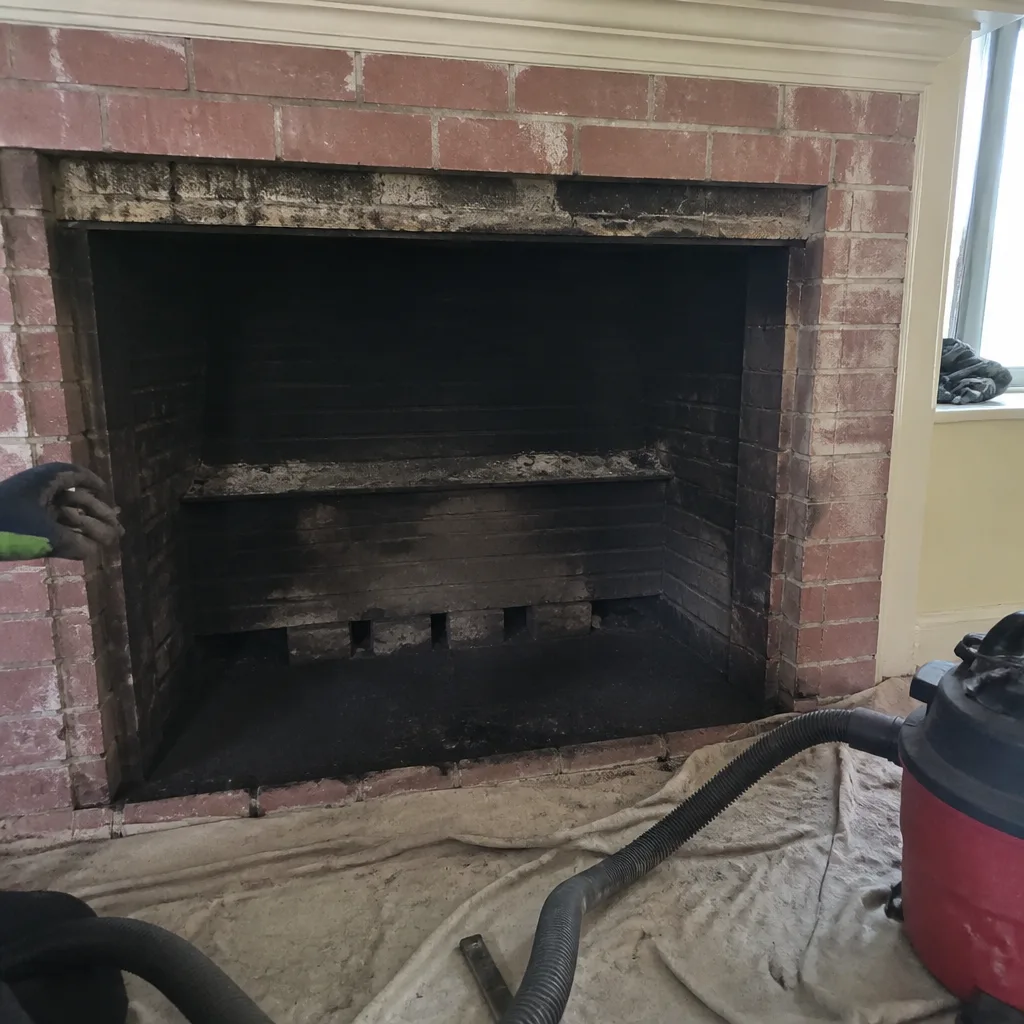
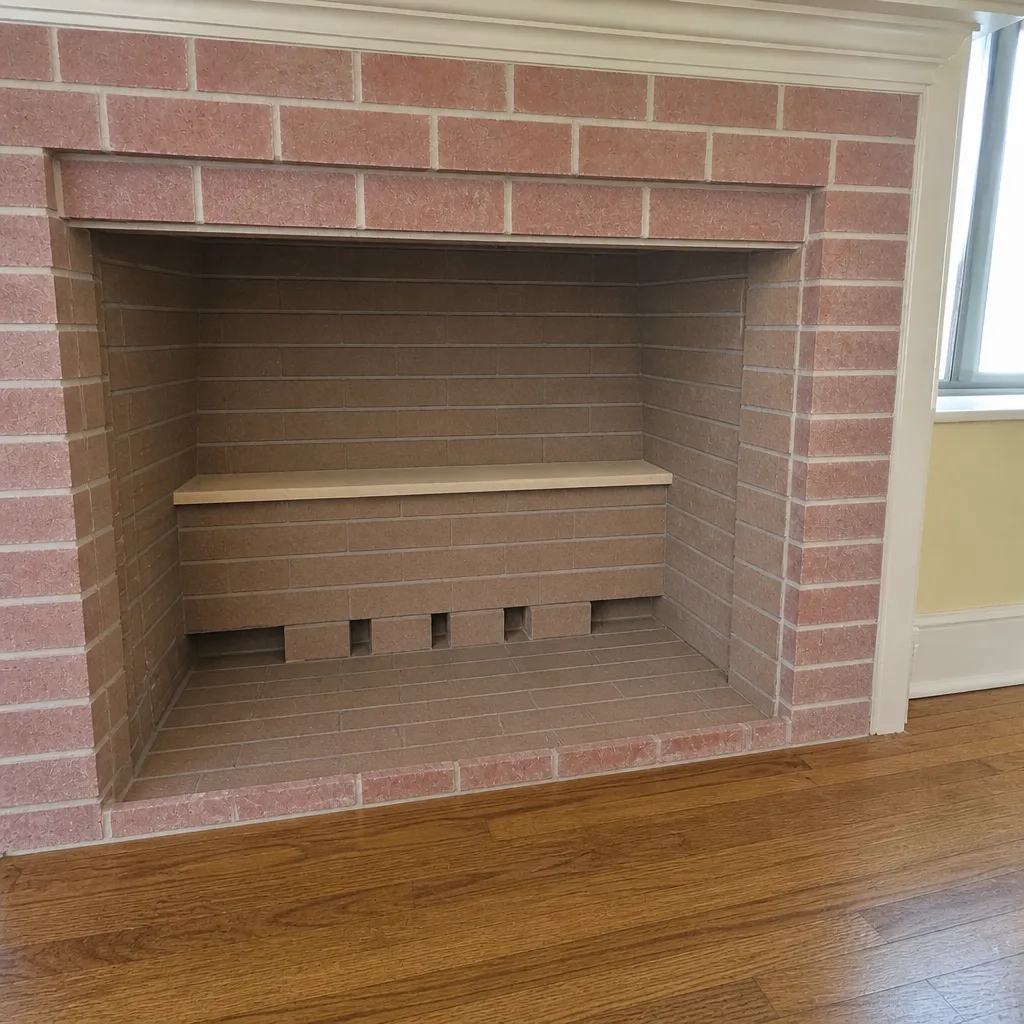
- Smoke chamber. The sloped shelf above the damper is a hidden shelf where creosote and soot collect. It’s also where deposits can trap moisture against the liner. Most quick sweeps skip it; a proper cleaning scours it.
- Damper. The damper should open, close, and seal fully. A damper that won’t seat properly lets heat and smoke slip out of the wrong place. In extreme cases, that’s a carbon monoxide issue.
- Flue and liner. The through-path for smoke. We remove deposits to the full run, then check the liner for cracks, gaps, and glazing. A masonry flue with a damaged clay tile may need resurfacing or a stainless liner.
- Crown. The concrete cap at the top of the masonry that sheds water away from the flue. A cracked crown is a wet-flue problem waiting to happen. We repair or replace crowns because it’s the cheapest way to protect the liner below.
- Cap. The cover over the flue opening that keeps rain, birds, and debris out. A missing or damaged cap is one of the leading causes of water intrusion damage. Purpose-built caps from Gelco and Famco do the job properly.
Every part of this system replaces wear differently. Cleaning something you skipped earlier will show up in a later inspection. It’s better to open the system up front, sweep and inspect in one, and know what state each component is in.
When the cleaning turns into a repair, we keep it inside one relationship. That’s not a sales pitch. It’s the practical reason chimney cap & crown work goes hand in hand with a sweep. The same visit that finds a problem can begin to fix it.
What a Good Chimney Cleaning Job Looks Like
A good chimney cleaning job should leave you with more than a tidier fireplace. It should leave you with a record of what was found. Here’s what to look for when a technician arrives at your Place Pine Avenue tacoma home.
- Setup and protection. Drop cloths, a running HEPA vacuum on the firebox, and a proper seal around the opening. You shouldn’t find soot on the carpet afterward.
- Chemical treatment where needed. If the flue is glazed, the deposit is treated first. That step is what separates a real sweep from a decorative one.
- Brushwork through the full run. Flue, smoke chamber, and firebox cleared to the top. Not just the easy third of the run.
- Camera inspection. A camera run through the liner. Cracks, offsets, and blockages become visible on a screen, not a guess.
- Component check. Crown, cap, spark arrestor, damper, and firebox inspected while we’re on the roof and in the firebox.
- Written report and photos. A written condition report that states what was found and, importantly, what can safely wait.
That last point is the one that matters most to homeowners. Nobody likes being told they need thousands of dollars of liner or masonry work they have no way to verify. That’s a fair concern. Nothing is recommended without camera evidence you can see for yourself on the screen, and we say plainly when work can wait until the next season.
Red flags in a cleaning report look specific. A vague “your chimney needs work” with no photos is a red flag. So is a recommendation for a full liner replacement when a resurfacing would do. So is a sweep with no inspection behind it. A proper report names the component, shows the photo, and tells you why it matters.
When a repair is underway, we use the materials professionals specify, not hardware-store substitutes. That means HeatShield for flue resurfacing and DuraFlex for flexible stainless relining when a straight-run job won’t fit the flue configuration. If you’re comparing cleaners, this is the level of follow-through to look for.
How Often Should a Tacoma Chimney Be Swept?
Once a year is the common benchmark for a wood-burning chimney, and it’s a good starting point. But in Tacoma, the answer depends on how hard the system works and what it burns. Here’s how we think through the frequency question.
- Yearly baseline. Any fireplace or wood stove that sees regular use during the heating season should be swept and inspected annually. Most homes land here.
- Twice a year for heavy use. A wood stove that runs most days through a wet Puget Sound winter can build deposits faster than an occasional fireplace. A mid-season check is usually the smart call for those homes.
- After a wet-wood season. Burning unseasoned wood leaves more creosote. If last winter was fueled by firewood that never fully dried, get it looked at before the next fire.
- Gas units too. A gas fireplace doesn’t produce creosote, but it does produce a different deposit layer, and vents and fireboxes still need inspection. It’s not “maintenance-free.”
- Before a sale. Sellers should schedule a sweep and Level II inspection ahead of the disclosure timeline, not the week before closing.
The honest version is that “once a year” is a floor, not a ceiling. A Tacoma home that burns through the long damp season on slow, cool fires will need a real sweep more often than a home that runs one hot fire a week. Your own burn habits should be part of the conversation at the estimate, not a box you tick on a form.
If you’ve moved into a house and don’t know when the last sweep happened, treat it as overdue. The condition report from the first visit gives you a real starting point.
What You Can Check Yourself and What You Shouldn’t
Homeowners can do a few useful checks between professional visits. There’s a lot you shouldn’t touch. A chimney has real hazards, and the right line is clear once you know where it sits.
What you can check safely:
- The firebox, for visible cracks in the brick or missing refractory.
- The damper, to confirm it opens and closes freely.
- The cap, viewed from the ground with binoculars, for missing or bent components.
- The crown, again from the ground, for visible cracks or pieces breaking off.
- The draw, by noticing smoke rollback when the fireplace is lit. Persistent rollback is a sign of a blockage.
What you shouldn’t take on:
- Roof access. Climbing a wet Tacoma roof to check the cap or sweep from the top is where most homeowner injuries happen. The roof is steep, wet, and dangerous.
- Glazed creosote. Brushing at Stage 3 deposits can loosen hardened material that falls and burns, or that ignites. It’s a fire hazard, not a chore.
- Liner work. Any search up the flue that requires sealing, relining, or resurfacing is professional work.
- Gas connections. Gas fireplace repairs involve gas line work. That’s not a homeowner task.
If you’re unsure of the state of the system, a free estimate from a professional is the safer move. For gas fireplaces or firebox damage specifically, a proper fireplace repair call matters more than a cleaning.
What Chimney Cleaning Costs and What the Estimate Covers
Pricing for a chimney cleaning in Tacoma depends on the configuration of the system and its condition. A straight-run flue that’s been swept regularly is one job. A glazed flue in a home with an aging clay tile liner is another. The written estimate is what sets the final price, so treat the ranges below as typical starting points for the conversation, not a quote.
- Standard sweep with inspection. Run-of-the-mill residential cleaning on a serviceable flue, including a camera check and condition report.
- Chemical treatment for glazed creosote. Added when Stage 2 or 3 deposits are found, since the deposit has to be softened before the brush can work.
- Level II inspection as a standalone. For sellers, buyers, or homes where a home inspector flagged the chimney and the documentation matters.
- Cap and crown repair. Priced on the condition of the crown and the size of the cap. Purpose-built components bring a different price than a field-fabricated cover.
- Flue resurfacing with HeatShield. An alternative to a full liner replacement where the condition allows it.
- DuraFlex liner installation. For flues that need a flexible stainless system, including complex configurations.
The estimate should say what’s included. That means stating whether a camera inspection and photo report are part of the price, whether the crown is checked, and what happens if the technician finds something beyond a standard sweep. We’re upfront about all of this before the visit, which is one of the reasons homeowners call. The written estimate sets the final price, so there are no surprises after the cleaning truck has been in the driveway.
For the full range of what we handle, see the main chimney sweep Tacoma Pros service page. For specific pricing questions, the estimate is the shortest path to a real answer.
Common Mistakes to Avoid
- Sweeping without a camera inspection. A brush down the flue without a camera check misses cracks and offsets behind the tile. In a Tacoma home with an aging clay liner, that’s the exact place problems hide.
- Assuming a brush and a stiff wire are the whole toolkit. Glazed creosote needs chemical treatment first. A brush alone won’t remove Stage 3 deposits, and treating it as if it will leaves the fire risk in place.
- Skipping the smoke chamber. The shelf above the damper collects soot and creosote in a place most quick sweeps never reach. It’s also where moisture sits against the liner.
- Burning wet wood to get through the damp months. Unseasoned wood produces more creosote and more water vapor. In Puget Sound, that’s the fastest route to a glazed flue.
- Letting a cracked crown or a missing cap wait a season. Water intrusion is the leading cause of chimney damage. A crown crack or missing cap is a small repair now that turns into liner work later.
- Taking a “recommendation” at face value. If a report recommends thousands in work without photos and camera evidence you can see, ask for them. You’re entitled to see what the technician saw.
- Waiting until the week before closing. If a sale depends on the chimney condition, schedule the inspection and any necessary repair early enough to allow for it.
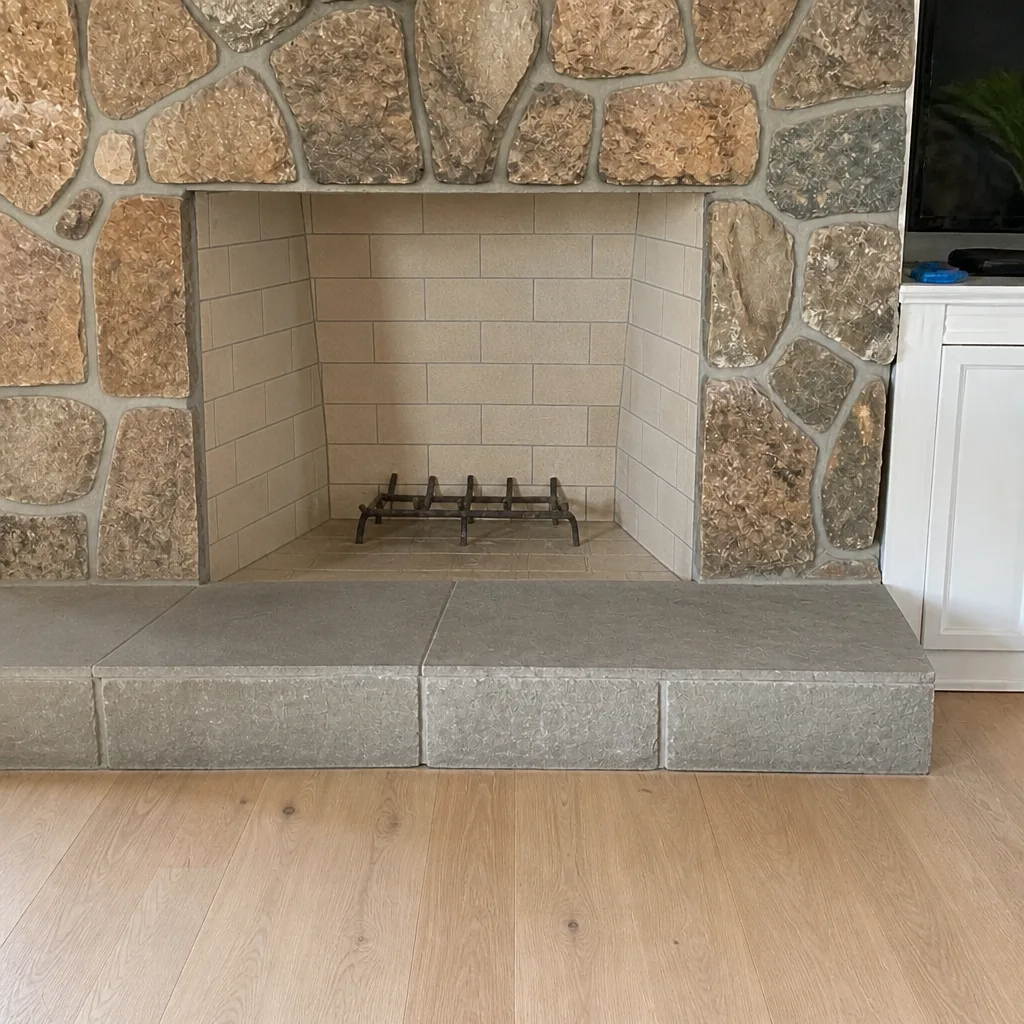
See the difference
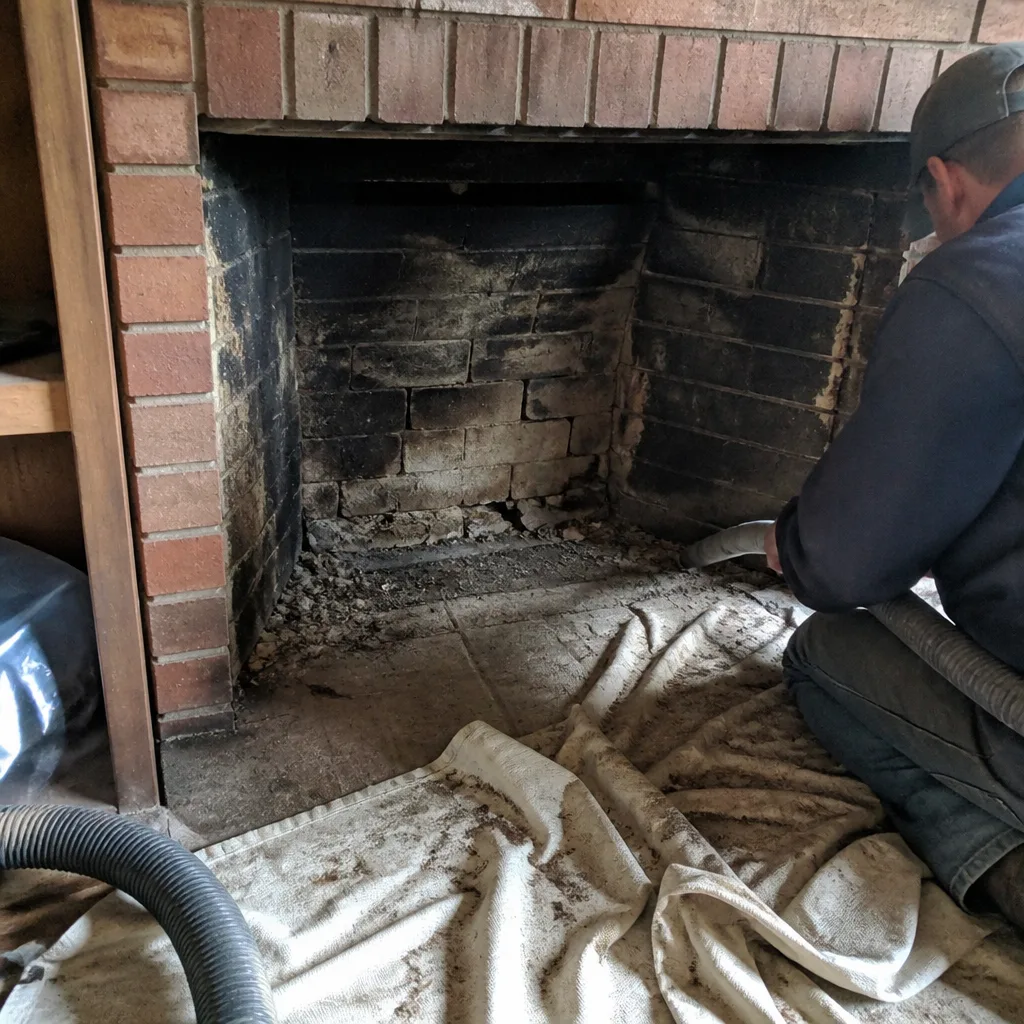 Before
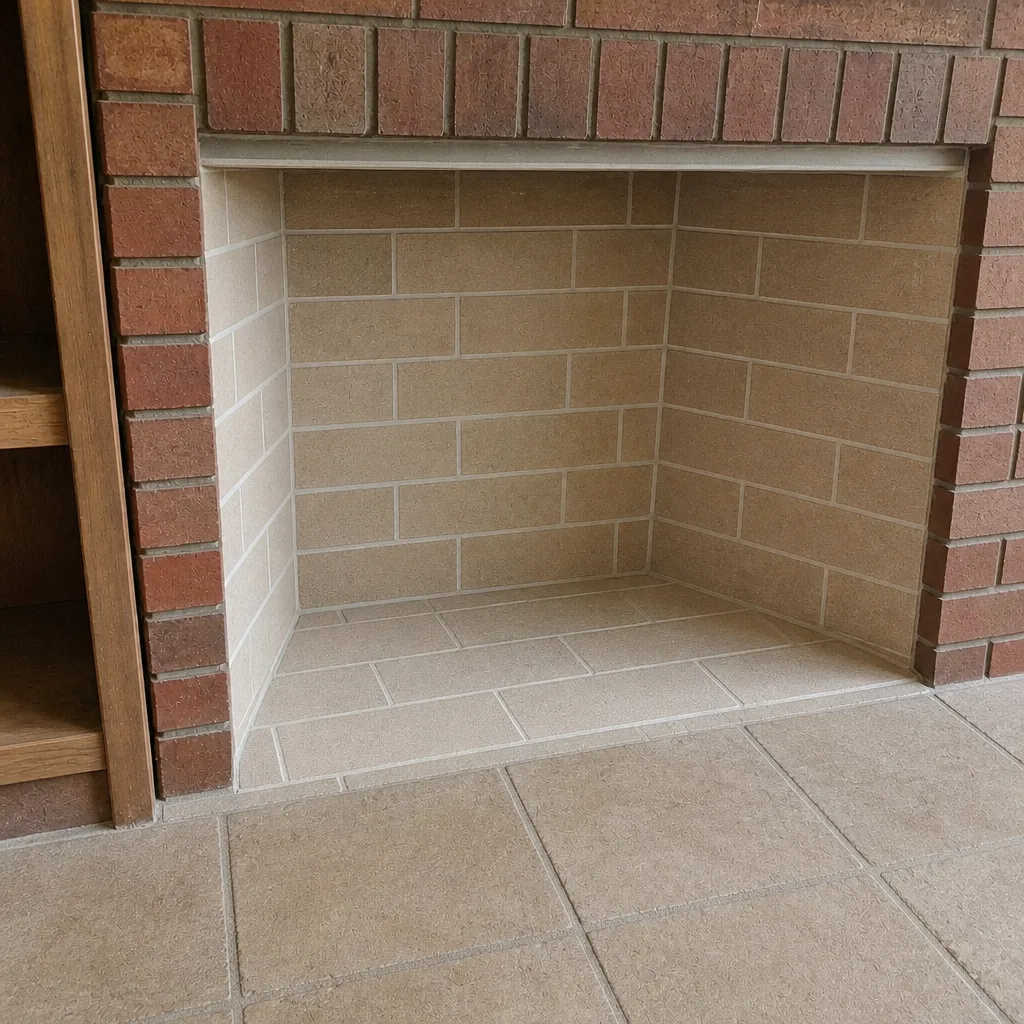 After
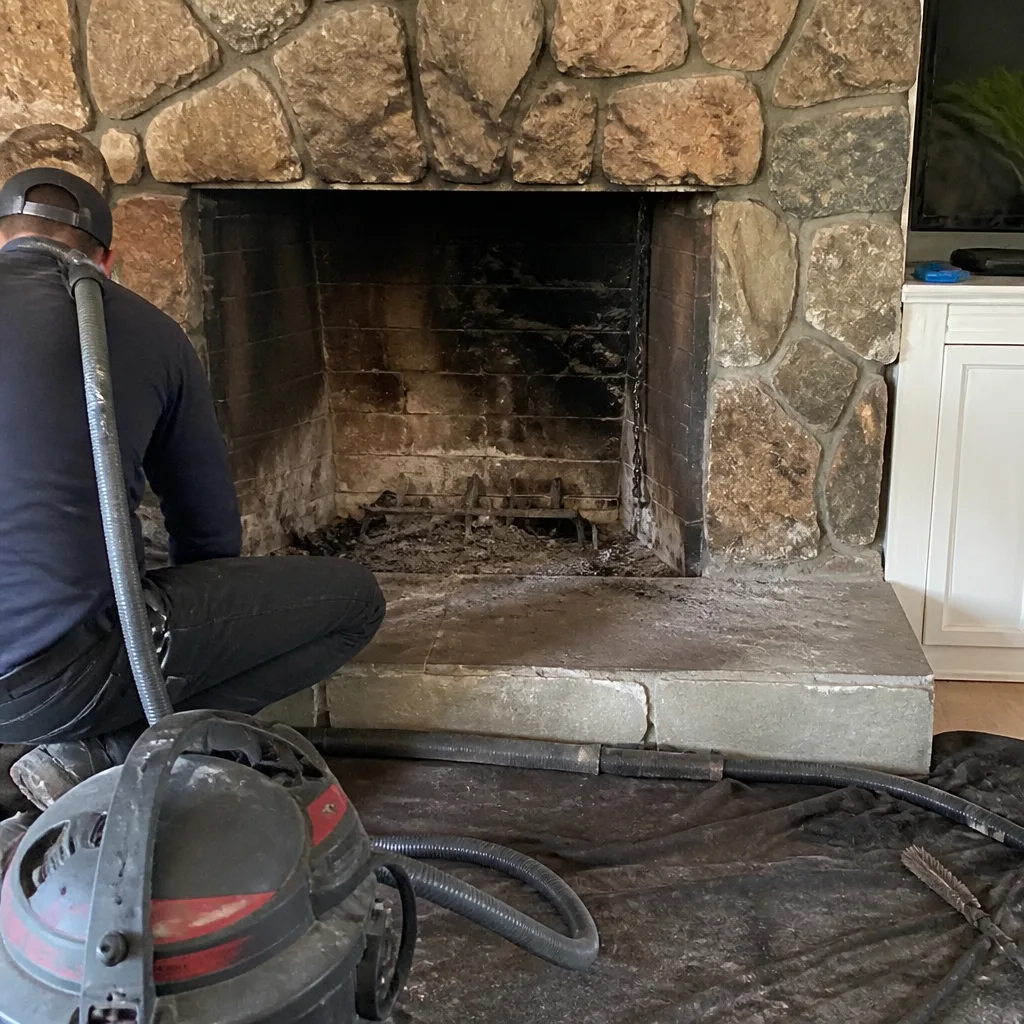 Before
 After
 Before
 After
When to Call a Professional
Call a professional if any of the following sounds like your situation:
- You can’t remember the last sweep, or you just bought the house and the chimney’s history is unknown.
- A home inspector flagged the chimney, or a sale is coming up and disclosure documentation is needed.
- You see smoke rollback into the room, or can smell soot in the house when the fire isn’t lit.
- The firebox has visible cracks, or the damper won’t open or close fully.
- The fire has been running low and slow through a wet Tacoma winter, especially on unseasoned wood.
- You’re ready to upgrade from a “brush-only” service to a sweep with inspection and repair capability behind it.
Chimney Sweep Tacoma Pros offers free estimates in Tacoma. Call (877) 820-8112. We answer 24/7. Fast dispatch from 7am to 7pm, Sunday through Friday. The estimate is free, and the written estimate sets the final price.
Frequently Asked Questions
A standard chimney cleaning in Tacoma depends on the flue’s condition and whether the deposits require chemical treatment before brushing. A straight-run flue that’s been maintained is one price; a glazed flue with an aging clay tile liner is another. The written estimate sets the final price, and the estimate itself is free. Call (877) 820-8112 for an exact quote – estimates are free.
Not always. A flue that’s sound in structure but compromised on the surface can sometimes be resurfaced with HeatShield, which restores the flue without a full liner replacement. A flexible stainless system like DuraFlex is the right answer when the flue’s configuration or condition calls for it. The camera inspection determines which path is correct, and the photos show you why. Call (877) 820-8112 for an exact quote – estimates are free.
Once a year is the baseline for a wood-burning chimney in Tacoma, and heavy users often benefit from a mid-season check. Homes that burn low and slow through the long damp heating season can build glazed creosote faster than the one-a-year rule allows for. Call (877) 820-8112 for an exact quote – estimates are free.
Deposits keep building, and in a wet Puget Sound climate those deposits don’t dry out the way they would in a drier region. Stage 2 and Stage 3 creosote is a real fire risk, and a cracked crown or missing cap lets water into the flue between burns. Skipping a sweep doesn’t just make the next cleaning bigger; it can turn a cleaning into a repair. Call (877) 820-8112 for an exact quote – estimates are free.
A Level II inspection is a detailed visual and camera-based review of the accessible portions of the chimney. In a Tacoma home with an aging clay tile liner, a Level II inspection is the baseline. It’s also what sellers and buyers usually need for disclosure, and it’s what satisfies most insurance documentation requests. Call (877) 820-8112 for an exact quote – estimates are free.
A completed cleaning should leave you with photos of the flue, a written condition report naming each component, and a plain statement of what can safely wait. Red flags in a report look like vague recommendations, no photos, and pressure for a full liner when a resurfacing would do. Call (877) 820-8112 for an exact quote – estimates are free.
The Bottom Line
Chimney cleaning in Tacoma isn’t a brush-and-go service. The wet marine climate, long shoulder seasons, and slow smoldering fires here combine to build glazed creosote that a standard brush can’t touch. That makes cleaning a system-level intervention: chemistry where the deposit demands it, brushwork through the full flue, a Level II inspection with camera evidence, and a proper check of the crown and cap that protect the liner between burns. Our technicians have up to 11 years of experience, and in that time the pattern is consistent. What gets skipped between visits is what turns a sweep into a repair. Start with the estimate, look at the photos, and let the report decide the work.
Chimney Sweep Tacoma Pros performs chimney sweeping, chimney and fireplace inspections, fireplace repair, chimney structural repair, and chimney cap and crown installation and replacement using recognized professional-grade materials. Call (877) 820-8112 for a free estimate. We answer 24/7. Fast dispatch from 7am to 7pm, Sunday through Friday.
Written by the team at Chimney Sweep Tacoma Pros.